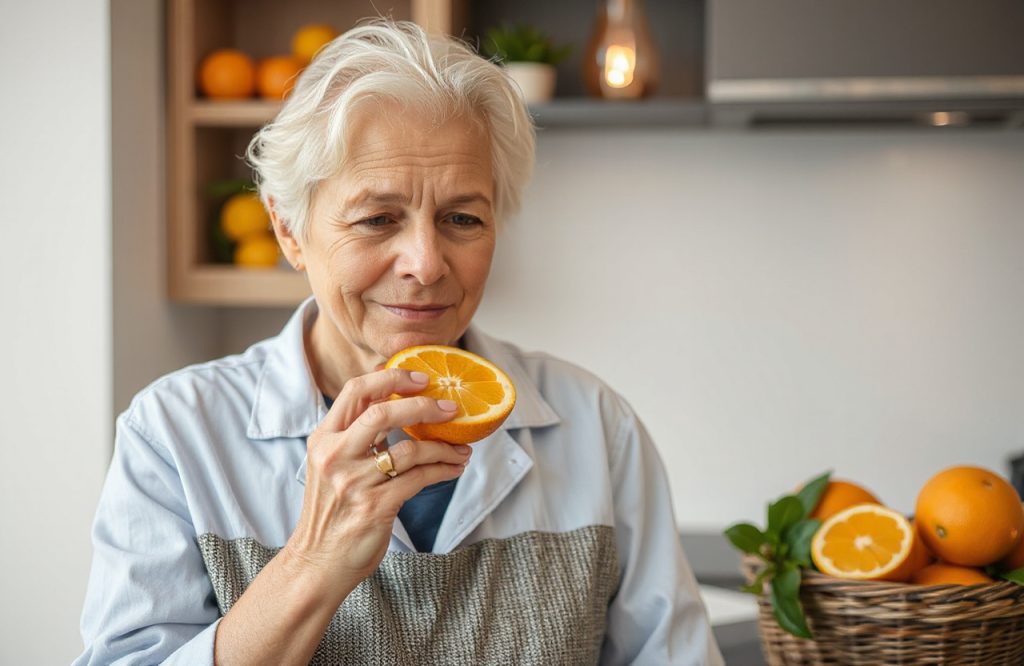
Citrus Fruits and Dementia: A Cohort Study in Japan
Study Overview
A recent cohort study conducted in Japan explored the potential link between citrus fruit consumption and the development of dementia in later life. The research team controlled for various confounding factors and discovered that higher citrus intake is associated with a reduced incidence of dementia.
Dementia: A Growing Concern
Dementia, characterized by neurodegeneration leading to cognitive decline, is increasingly impacting aging populations globally. The complexity of its pathophysiology presents challenges for medical science, which has yet to fully understand or develop effective treatments. Consequently, identifying preventative measures to mitigate the risk of dementia is essential.
Previous Research on Citrus Consumption
Earlier cross-sectional studies indicated a correlation between citrus fruit consumption and improved cognitive function. Citrus fruits contain flavonoids, which can cross the blood-brain barrier, providing anti-inflammatory and antioxidant effects that may reverse and repair common forms of cellular damage.
Research Methodology
The research team from Tohoku University analyzed data from the Ohsaki Cohort, collected in 2006. This original study involved men and women over 65 years old residing in Ohsaki, Japan. A baseline survey was conducted, followed by multiple follow-ups over five to seven years. Out of the initial group, responses from 13,373 participants were included after applying exclusion criteria.
Survey Details
The survey incorporated questions about dietary and lifestyle habits, categorizing citrus consumption into three groups: less than twice a week, three to four times a week, and nearly every day. The researchers also evaluated other factors that may influence dementia risk, such as psychological distress, motor function, and cognitive performance.
Findings on Citrus Consumption
The baseline data revealed that individuals who consumed more citrus tended to be predominantly female, better educated, and exhibited healthier lifestyle choices concerning exercise, smoking, and alcohol consumption. In contrast, those consuming less citrus displayed poorer dietary habits, including lower intake of vegetables, other fruits, and protein.
The authors designated the group consuming citrus less than twice a week as the reference group and found that participants in the other two groups were less likely to develop dementia. Through multivariate analysis, they assessed the impact of confounding factors such as age, gender, weight, and lifestyle habits, concluding that these factors largely did not influence the observed correlations.
Reverse Causality Considerations
The study also considered reverse causality, particularly whether individuals with lower cognitive scores were consuming less citrus. An analysis focusing on respondents with higher cognitive scores revealed that the negative correlation between citrus consumption and dementia incidence remained consistent.
Study Strengths and Limitations
The authors recognized several strengths and limitations within their research. The high follow-up rate among participants contributed to the statistical robustness of the analysis. Additionally, the consideration of various confounding factors enhanced the validity of the findings. However, the study was unable to determine the specific causes of dementia or the mechanisms through which citrus consumption may reduce risk. Furthermore, dietary information was collected only at baseline, limiting the assessment of changes in citrus consumption over time.
Conclusion
This pioneering cohort study establishes a correlation between citrus fruit consumption and a lower incidence of dementia. The findings support existing biochemical data regarding the effects of flavonoids and suggest that incorporating citrus fruits into the diet may help prevent or delay the onset of dementia.
Written By: Adriano Vissa, PhD candidate