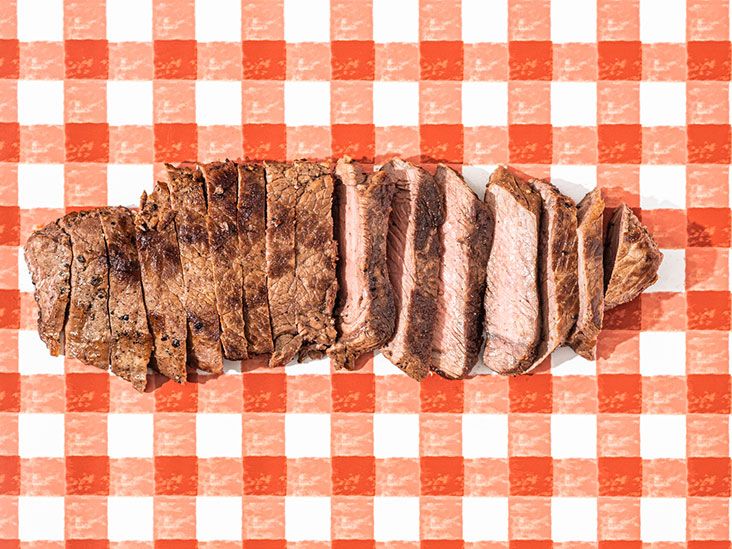
A growing body of evidence suggests that environmental factors, such as excessive consumption of red meat and sugar, could be driving a rise in colorectal cancer cases among young people. Recent research has discovered that metabolites, particularly those linked to the consumption of red and processed meat, play a central role in young-onset colorectal cancer risk.
The study revealed that individuals under 50 diagnosed with colorectal cancer had lower levels of citrate—a byproduct of converting food into energy—than their older counterparts. Additionally, significant differences were discovered in protein and carbohydrate metabolism, hinting that dietary intake of red meat and sugar may influence the development of colorectal cancer in younger individuals.
Colorectal cancer diagnoses among younger individuals have seen a significant rise over the past two to three decades. The underlying cause of this concerning trend has remained elusive, with the majority of cases not tied to genetic or hereditary factors, even among the younger population. However, recent data supports the theory that environmental factors could be contributing to this increase.
Dr. Suneel Kamath, a senior author of the research and a gastrointestinal oncologist at Cleveland Clinic, explained that the study used a technology called metabolomics to examine differences in colorectal cancer between young and older individuals. This technology measures how each person interacts with environmental exposures, like diet and air quality. The study found that a carbohydrate breakdown product called citrate, also known as citric acid, is found at higher levels in older people with colorectal cancer compared to younger patients.
The research, which was presented at the annual meeting of the American Society of Clinical Oncology on June 3, 2023, used samples from the Cleveland Clinic BioRepository. The study included 170 participants diagnosed with colorectal cancer, categorized into two age groups: those younger than 50 years and those older than 60 years. Through association analyses, metabolites that exhibited different levels between the two groups, including citrate and cholesterol, were identified.
These findings suggest that factors such as excessive consumption of sugar-sweetened beverages or red meat, as well as obesity, which can lead to an energy surplus, may be risk factors for the development of colorectal cancer at a younger age.
Dr. Leonard Augenlicht, a professor of medicine and cell biology at the Albert Einstein College of Medicine, who was not part of the research, emphasized that the research highlights the crucial issue of a significant increase in earlier-onset colorectal cancer in younger individuals. He also pointed out that the study raises important questions about the dietary patterns that led to the differences in tumors of younger vs. older individuals.
Dr. Tejasav Sehrawat, a resident physician at Yale, agreed, noting that colorectal cancer is one of the most prevalent cancers and, despite screening programs, it is often diagnosed in advanced stages.
Dr. Suneel Kamath proposed that these preliminary findings suggest that strategies focusing on reducing obesity rates and curbing red meat and sugar consumption could aid in cancer prevention, particularly for colorectal cancer. He highlighted that this should not be misconstrued to mean that sugar feeds cancer in those who already have it, but rather, reducing sugar consumption in healthy individuals could help prevent the onset of cancer.
Dr. Anton Bilchik, a surgical oncologist at Providence Saint John’s Health Center, concurred, stating there is a clear association between red meat, processed food, and colorectal cancer. He recommended adopting a balanced diet from a young age that includes fresh fruits and vegetables while limiting red meat and processed food to reduce the risk of developing colorectal cancer.
Dr. Kamath concluded that these findings could also help in identifying drugs that could target specific amino acid pathways and other metabolic pathways to improve outcomes and survival rates for those with colorectal cancer. However, further research is required to solidify these conclusions.