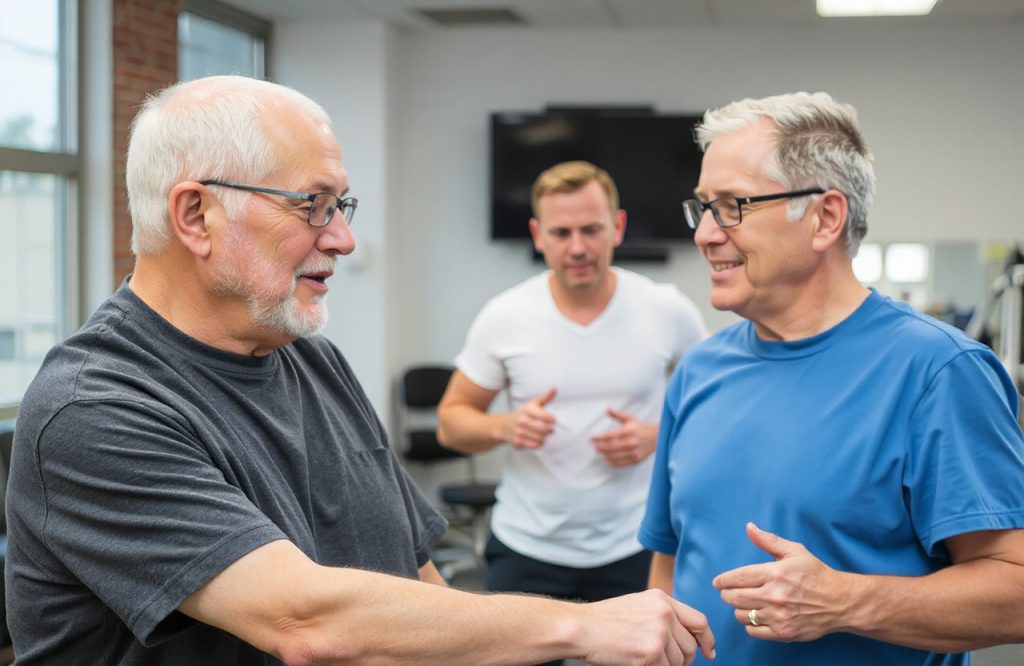
Exploring the Link Between Sports Club Memberships and Frailty in Older Adults
Understanding Frailty
A 2017 study published in the International Journal of Behavioural Nutrition examined the potential connection between sports club memberships and changes in frailty, as well as whether exercise levels could elucidate this relationship. Frailty is characterized by a gradual decline in cognitive and physical functions, reducing an individual’s ability to manage life stressors effectively. This condition is particularly concerning for older adults, as research indicates that frailty is a significant predictor of future disability, falls, hospital admissions, and mortality. These adverse health outcomes can severely impact quality of life and the healthcare systems that support older populations.
The Growing Concern of Frailty
The issue of frailty among older adults has gained global attention due to rising life expectancies and accompanying challenges in preventing chronic illnesses. It is recommended that older adults engage in moderate to vigorous exercise for at least 150 minutes per week, along with strength training exercises for two muscle groups on at least two occasions each week. However, a report from 2012 revealed that only 42% of women and 51% of men met these exercise guidelines.
Research Focus and Methodology
Despite existing infrastructure aimed at improving exercise and sports participation among older adults, little is known about its effectiveness in helping this demographic meet physical activity recommendations. The study hypothesized that sports club memberships might serve as an underutilized resource for enhancing physical activity levels and preventing frailty in older adults. To investigate this hypothesis, the authors utilized self-reported survey data from the English Longitudinal Study of Ageing (ELSA), which includes participants over the age of 50 and spans seven waves of data collection conducted every two years. This dataset encompasses health, behavioral, socioeconomic, and demographic factors.
Findings on Frailty and Physical Activity
The study revealed that higher frailty scores were more prevalent among women, with frailty levels increasing with age. Additionally, lower frailty scores were associated with being white, non-smoking, and possessing higher education and financial resources. Importantly, the study found that physical activity levels significantly explained the relationship between sports club memberships and reduced frailty.
Implications of the Study
This research underscores the potential of sports club memberships, such as exercise classes or gyms, as valuable resources for preventing health issues linked to frailty by boosting exercise participation among older adults. A notable strength of the study is its large, representative sample of older English adults, enhancing the generalizability of the findings to other older populations.
Limitations and Future Research Directions
However, researchers acknowledged a limitation: older adults may overreport their exercise levels compared to younger individuals, which is significant given that the data collected were self-reported. Future studies should adopt an experimental approach, incorporating objective measurements of exercise levels and gathering detailed information about the types of sports club memberships older adults hold.
Conclusion
The study highlights the critical role of sports club memberships in promoting physical activity and mitigating frailty among older adults, paving the way for further investigation into effective strategies for enhancing health outcomes in this population.
Reference
Watts P, Webb E, Netuveli G. The role of sports clubs in helping older people to stay active and prevent frailty: a longitudinal mediation analysis. International Journal of Behavioral Nutrition and Physical Activity. 2017 Jul 14;14(1):95.