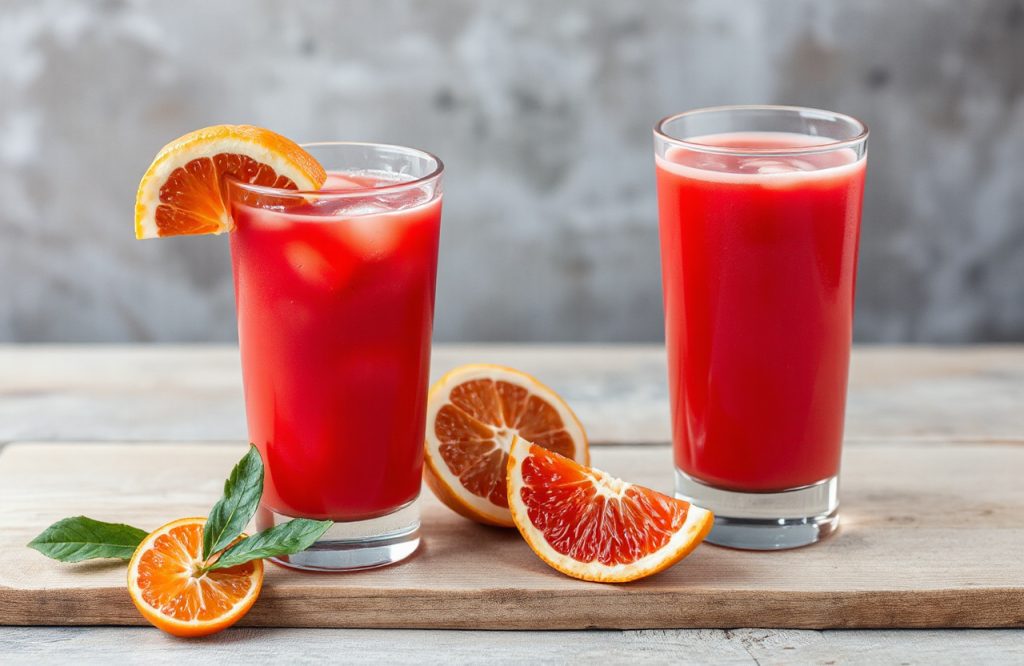
Impact of Blood Orange Juice on Blood Sugar and Cholesterol Levels
Background on Cholesterol
Total cholesterol levels reflect the overall cholesterol present in the bloodstream. This measurement encompasses HDL (high-density lipoproteins), LDL (low-density lipoproteins), and triglycerides. HDL is responsible for transporting cholesterol to the liver for excretion, while LDL distributes cholesterol to body cells. Triglycerides serve as an energy source for the body.
Elevated levels of triglycerides and LDL cholesterol can lead to health issues, as they may accumulate as plaque in blood vessel walls, diminishing blood flow and increasing the risk of high blood pressure, strokes, or heart disease. While medications are available to manage cholesterol levels, healthcare professionals often advocate for lifestyle modifications, including increased physical activity and a diet low in sugar and saturated fats.
Study Overview
A recent study published in the British Journal of Nutrition examined the potential health benefits of blood orange juice compared to standard orange juice. Researchers from the UK focused on the higher anthocyanin content in blood orange juice.
The study involved 45 obese men and women aged 25 to 84, who participated in a randomized controlled trial. Following a three-week cleansing period, participants were assigned to consume either 500 ml of blood orange juice, providing 50 mg of anthocyanins daily, or 500 ml of regular orange juice without anthocyanins. Measurements of HDL and LDL cholesterol, blood glucose, nitric oxide, C-reactive protein, and blood pressure were recorded on the first day and at the end of the 28-day study.
Findings
The results indicated no significant differences in cholesterol levels between the two groups. This suggests that blood orange juice does not offer superior health benefits compared to regular orange juice. The additional anthocyanins present in blood orange juice did not demonstrate a significant impact on health markers.
Conclusion
In summary, while blood orange juice contains more anthocyanins, this study found that it does not provide additional health benefits regarding cholesterol or blood sugar levels when compared to standard orange juice.
Reference
Hollands, W. J., Armah, C. N., Doleman, J. F., Perez-Moral, N., Winterbone, M. S., & Kroon, P. A. (2018). 4-Week consumption of anthocyanin-rich blood orange juice does not affect LDL-cholesterol or other biomarkers of CVD risk and glycaemia compared with standard orange juice: a randomised controlled trial. British Journal of Nutrition, 119(4), 415-421. doi:10.1017/S0007114517003865