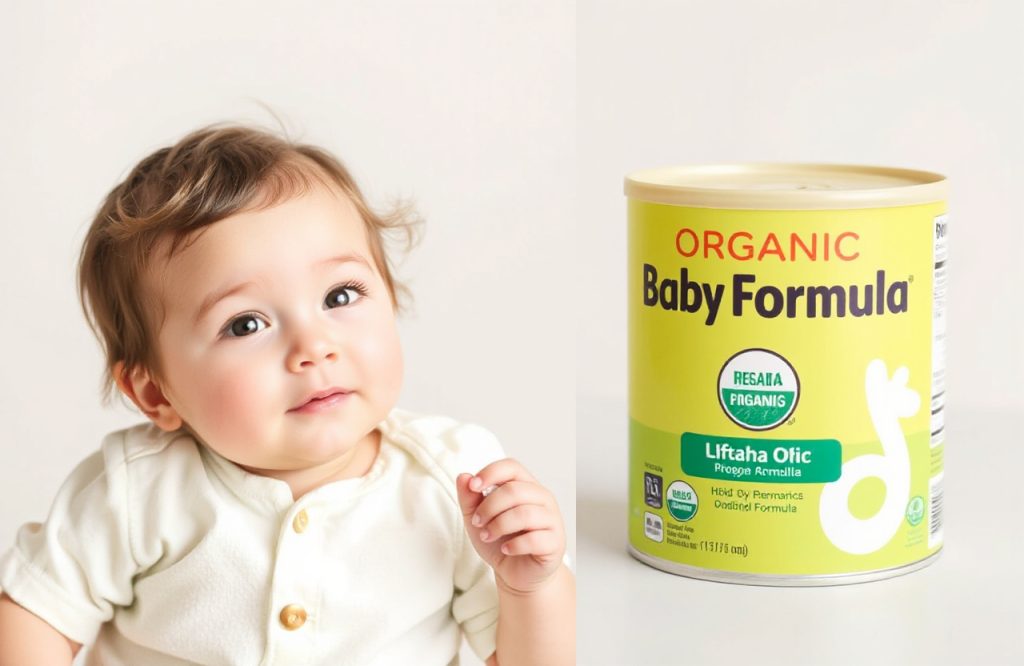
Choosing the Right Baby Formula: A Guide for New and Expectant Parents
As a new or expectant parent, selecting the right baby formula can feel overwhelming. This article explores two popular options: organic European baby formula and traditional formula. By examining the pros and cons of each, we aim to help you make an informed decision that meets your baby’s needs.
What Is Organic European Baby Formula?
Organic European baby formula is a specialized infant formula that complies with strict organic farming practices and European quality standards. It is carefully crafted using high-quality ingredients sourced from organic farms.
Traditional Baby Formula: The Basics
In contrast, traditional baby formula is a more commonly available option in many markets. It provides essential nutrients for infants but may not always meet the same organic standards as its European counterpart.
Pros of Organic European Baby Formula
High-Quality Ingredients
European formulas are renowned for their rigorous quality standards and the use of premium organic ingredients, ensuring excellent nutrition for your baby.
Minimal Chemical Additives
Organic European baby formula usually contains fewer artificial additives and preservatives, appealing to parents who prefer minimally processed options.
Nutritional Balance
These formulas are designed to closely resemble the nutritional profile of breast milk, providing a well-rounded diet for your infant.
Gentle on Digestion
Many parents find that organic European formulas are gentler on their baby’s sensitive stomachs, potentially reducing the likelihood of discomfort or colic.
Cons of Organic European Baby Formula
Higher Cost
One potential drawback is the higher price point of organic European baby formula compared to traditional options, which may strain your budget.
Limited Availability
Access to various organic European formulas can be challenging depending on your location.
Shorter Shelf Life
Organic formulas often have a shorter shelf life than traditional formulas, requiring more mindful consumption.
Pros of Traditional Baby Formula
Affordability
Traditional formulas are generally more budget-friendly, making them accessible to a wider range of parents.
Widespread Availability
You can find traditional formula brands in most stores and online, ensuring convenience for parents.
Variety of Options
Traditional formulas come in various formulations, catering to specific dietary needs or preferences.
Cons of Traditional Baby Formula
Artificial Ingredients
Some traditional formulas may contain more artificial additives and preservatives, which some parents might prefer to avoid.
Differing Nutritional Profiles
While traditional formulas provide adequate nutrition, they may not replicate the exact composition of breast milk.
Digestive Sensitivity
Some infants may experience digestive discomfort or allergies with certain traditional formula brands.
Choosing the Right Formula for Your Baby
Ultimately, the decision between organic European baby formula and traditional formula depends on several factors:
Your Baby’s Health
Take into account any specific health concerns or dietary needs your baby may have.
Your Values
Reflect on your personal values regarding organic products and sustainability.
Budget
Consider your financial situation and how formula costs align with your overall expenses.
Parental Preferences
Factor in your preferences and experiences with each type of formula.
Cost Comparison
While organic European baby formula is often more expensive, it is important to weigh the cost against its potential benefits for your baby’s health and well-being.
Sustainability and Environmental Impact
For environmentally-conscious parents, the sustainability aspect of organic European formula may serve as a significant advantage.
Parental Reviews and Experiences
To gain practical insights, consider seeking reviews and experiences from other parents who have used both types of formula.
Regulatory Standards and Safety
Both organic European and traditional formulas must adhere to strict safety and quality standards. Ensure you choose products that comply with your country’s regulations.
Tips for Preparing and Feeding Baby Formula
Regardless of your choice, here are some essential tips for safely preparing and feeding baby formula:
- Always follow the manufacturer’s instructions for mixing and serving.
- Maintain proper hygiene when handling bottles and formula.
- Consult your pediatrician for personalized feeding guidance.
Conclusion
Ultimately, the choice between organic European baby formula and traditional formula is a personal one. Consider your baby’s needs, values, and budget when making this important decision. Both options can provide essential nutrition for your child, and with thoughtful consideration, you can find the formula that best suits your family’s unique circumstances.