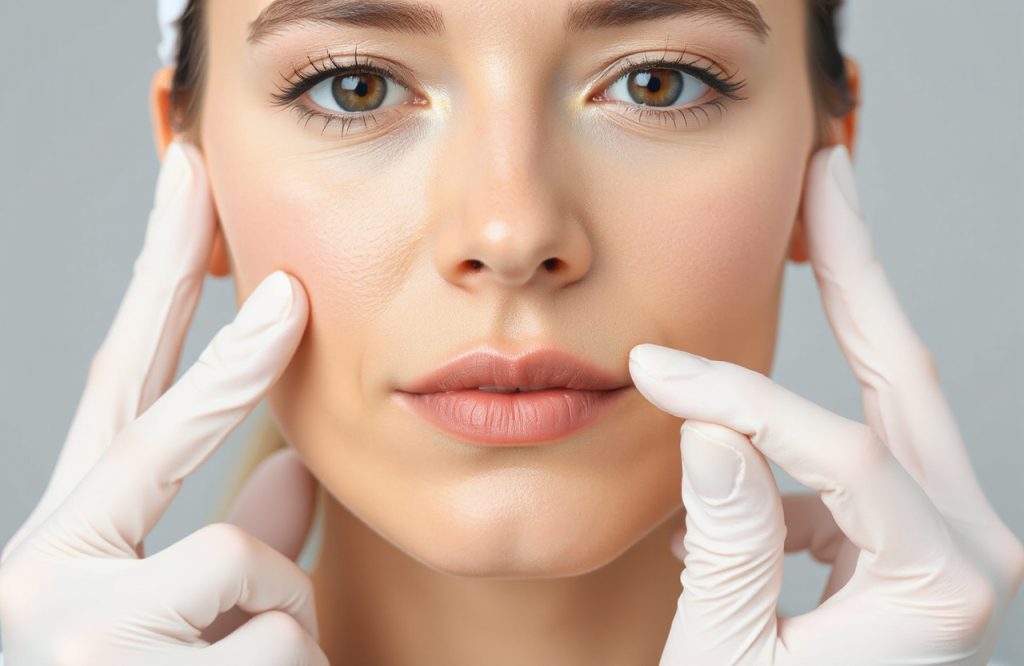
Introduction to Hyaluronic Acid in Facial Aesthetics
The Role of Hyaluronic Acid Fillers
Hyaluronic acid (HA) is a popular intradermal filler utilized for the correction of facial wrinkles, particularly in aging individuals.
Recent Research Findings
A study conducted by Korean scientists has demonstrated that monophasic HA, which includes pre-incorporated lidocaine (referred to as PLUS), is equally effective in treating severe nasolabial folds (NLFs) for a duration of 24 weeks when compared to biphasic HA. Notably, the monophasic HA also presents less discomfort than the biphasic HA without lidocaine.
Understanding Nasolabial Folds
Characteristics of Nasolabial Folds
NLFs are the prominent skin folds that extend from the sides of the nose to the corners of the mouth. With aging, there is a natural reduction in buccal fat and collagen beneath the skin, resulting in diminished skin elasticity and increased facial folds.
Restoration Techniques
To counteract the loss of facial volume, various methods have been implemented. Over the years, HA dermal fillers, known for their low immune response, have gained widespread acceptance for treating facial wrinkles.
Pain Management During Treatment
Use of Anesthetic Agents
During the application of dermal fillers, different anesthetic agents and cooling therapies have been utilized to alleviate discomfort. Lidocaine, a local anesthetic, is commonly combined with HA fillers to enhance patient satisfaction by providing effective pain relief.
Comparative Study Overview
Study Design and Methodology
A comparative study published in the Journal of Cosmetic Dermatology in 2017 evaluated the efficacy and safety of similar HA dermal filler products for facial wrinkles. This randomized, multicenter, active-controlled, matched-pair clinical trial involved 52 healthy participants over the age of 30, all exhibiting moderate to severe NLFs.
Filler Administration and Evaluation
Participants were treated with two HA fillers: Dermalax implant plus™ (Across, Gyeonggi-do, Korea), designated as PLUS, and Restylane Sub-Q (Q-Med, Uppsala, Sweden), referred to as Sub-Q. Cosmetic changes were assessed at intervals of 2, 8, 12, 16, and 24 weeks, with wrinkle severity evaluated using the Wrinkle Severity Rating Scale (WSRS).
Results and Observations
Improvement in Wrinkle Severity
At the 24-week mark, the PLUS injection exhibited a mean improvement of 1.06±0.54 on the WSRS compared to baseline, while the Sub-Q injection showed a 0.69±0.58 improvement.
Assessment of Pain Relief
Pain relief was measured using a 100-mm visual analog scale within 30 minutes post-application. The mean pain score for the PLUS group (14.65±16.23) was significantly lower than that of the Sub-Q group (38.29±27.27).
Adverse Events and Safety
The study also reported adverse events such as redness, swelling, bruising, bleeding, and pain following both treatments, with no serious side effects observed in participants.
Conclusion
In summary, monophasic HA with lidocaine (PLUS) demonstrates comparable efficacy to biphasic HA (Sub-Q) for 24 weeks while offering reduced pain levels. Monophasic HA fillers (PLUS) present a viable option for treating NLFs, delivering satisfactory cosmetic results, effective pain relief, and a favorable safety profile, thereby expanding treatment choices for patients.
Written By: Manche Santoshi, PhD