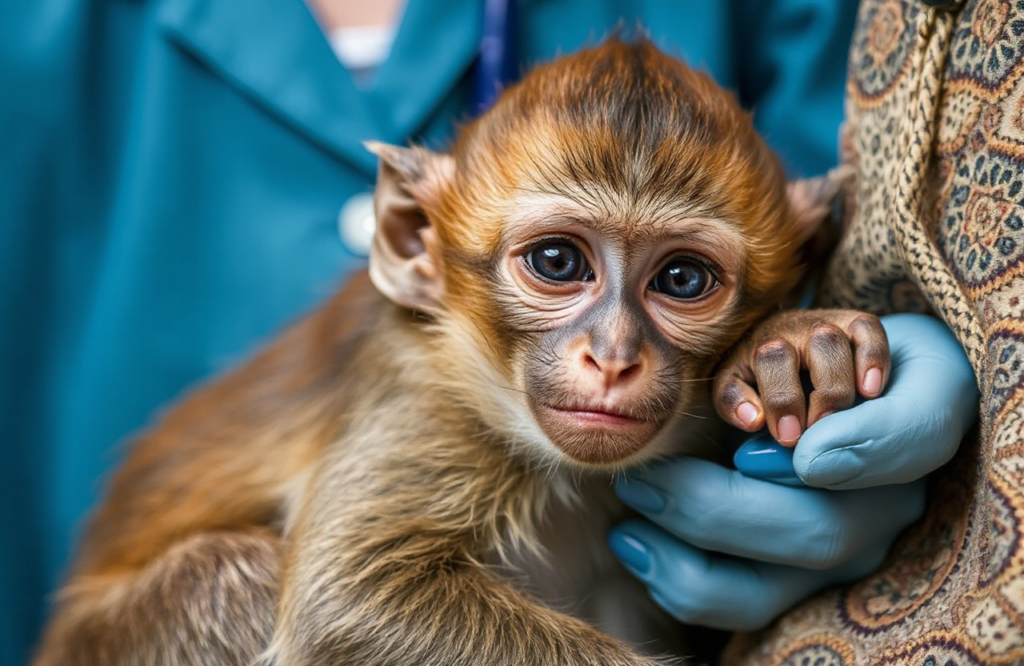
WHO Declares Monkeypox a Global Emergency
The World Health Organization (WHO) has classified monkeypox, also known as Mpox, as a global emergency due to a recent outbreak affecting multiple countries. The Mpox virus, originally endemic to Africa, has emerged in over 110 nations during the 2022-2023 period. This highly contagious disease has already resulted in more than 100,000 infections and approximately 450 fatalities. It is crucial to understand the implications of this virus, as it could become as widespread as COVID-19, highlighting the need for awareness and protective measures.
Understanding the Monkeypox Virus
What is Monkeypox?
Monkeypox is primarily an animal infection, affecting species such as monkeys. The virus is closely related to the smallpox virus and belongs to the orthopoxvirus group, sharing several clinical features, including rashes. The name “Mpox” was adopted when the virus began infecting humans. The first human case was documented in Congo in 2022, leading to a global outbreak that the WHO declared a Public Health Emergency of International Concern on August 14, 2024.
Circulating Strains
The predominant strains of the Mpox virus currently in circulation are Clade I and Clade II, with a new strain, Clade Ib, gaining traction.
Symptoms of Monkeypox
The primary symptom of monkeypox is a rash, with the potential for disease transmission from the onset of symptoms until the rash has crusted over. The duration of symptoms can range from 3 to 17 days. Below are key symptoms to monitor:
- Fever and swollen lymph nodes
- Fatigue and muscle pain
- Rash, initially appearing as macules and pustules, eventually forming scabs
- Asymptomatic cases may occur in some individuals
- In vulnerable populations, such as children, pregnant women, older adults, and those with compromised immune systems, complications like sepsis, pneumonia, and inflammation of the brain or heart may arise. The mortality rate in these groups can be as high as 100.
Transmission of Monkeypox
How Does Monkeypox Spread?
Monkeypox can be transmitted in two primary ways: from human to human and from monkey to human, especially in endemic regions of Africa, where animal handlers and farmers are at higher risk.
Human Transmission Methods
Human-to-human transmission of Mpox can occur through:
- Contact with bodily fluids or rash exudates
- Sexual contact with an infected individual
- Contaminated clothing or linens
- Mother-to-child transmission during childbirth
- Respiratory droplets
- Contaminated tattoo instruments or needles
Risk Factors for Monkeypox
Sexual contact with infected individuals has been identified as a primary driver of Mpox infections globally. Consequently, the following groups are particularly vulnerable:
- Gay and bisexual men
- Women and children
- Sex workers
- Healthcare workers
- Individuals with sexually transmitted infections like HIV
- Animal handlers, farmers, and hunters
Diagnosis of Monkeypox
If monkeypox is suspected, a sample from a mucous lesion or rash is collected for a PCR (polymerase chain reaction) test. Other diagnostic methods, such as viral culture and serology, are available but tend to be less sensitive and more costly.
Treatment of Monkeypox
Supportive care is the primary treatment for Mpox, focusing on pain management, careful cleaning and care of affected skin and eyes, balanced nutrition, and hydration. Antiviral medications may be prescribed, but an optimal antiviral treatment remains to be discovered.
Preventing Monkeypox
Given the potential for asymptomatic cases, it is essential to take preventive measures. Here are recommendations to reduce the risk of Mpox:
- Avoid crowded areas
- Maintain distance from infected individuals
- Exercise caution during sexual encounters with multiple partners
- Practice good hand hygiene
- Wear masks in crowded settings
- Vaccination is available for at-risk groups through the two-dose JYNNEOS vaccine, with additional vaccines under research
- Maintain overall health and strong immunity
Furthermore, public health authorities must ensure proper surveillance, awareness, and intervention strategies to control the spread of the disease.
Final Thoughts
The Mpox pandemic is rapidly spreading, with daily reports of new cases, including in Indian cities. Staying informed through updates from the WHO and other health organizations is vital for protection. Most patients recover effectively with appropriate care, reducing the need for panic.
Adhering to precautions is a personal responsibility in combating this pandemic. Stigmatizing individuals based on incomplete information can create barriers to recovery. Compassion and understanding are essential in overcoming this public health challenge together.
For assistance, schedule an appointment by calling +919100907036 or +919100907622.