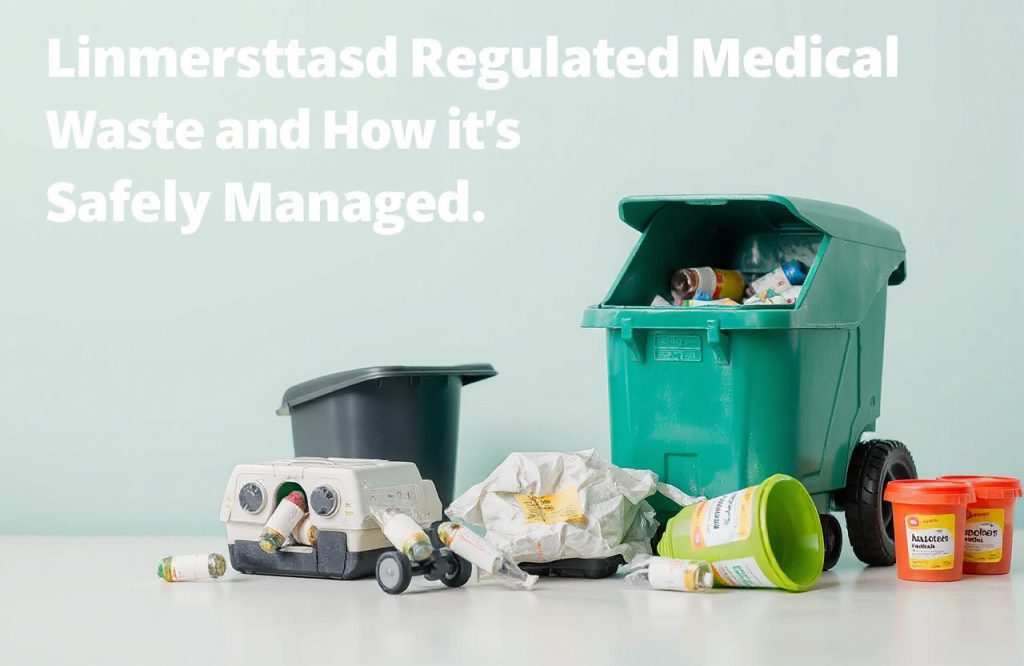
Understanding Regulated Medical Waste
Definition and Importance
Regulated medical waste includes items such as used needles, dirty gloves, and discarded surgical materials. Proper disposal is crucial, as improper management poses risks to public health and the environment. In Maharashtra, new bio-waste rules have been established, emphasizing the need to protect healthcare workers from infectious diseases. A clear understanding of regulated medical waste is essential for effective management in healthcare settings.
Categories of Regulated Medical Waste
Regulated medical waste falls into three main categories, each requiring specific handling procedures:
1. **Sharps Waste**: This includes needles and syringes that must be disposed of in puncture-resistant containers to prevent injuries and disease transmission.
2. **Infectious Waste**: Items contaminated with pathogens must be sterilized before disposal to mitigate health risks.
3. **Isolation Waste**: Generated from patients with communicable diseases, this category includes personal protective equipment and other potentially infectious materials.
Types of Regulated Medical Waste
Microbiological Waste
Microbiological waste consists of discarded cultures, stocks, or specimens of microorganisms, which may contain pathogenic agents. Strict disposal methods are essential to prevent contamination and infection.
Sharps Waste
Sharps waste includes items such as needles, syringes, and scalpels. These must be collected in rigid, puncture-proof containers to avoid injuries and the spread of infectious diseases.
Isolation Waste
Isolation waste originates from patients under quarantine for communicable diseases. It includes infectious materials that may pose risks to healthy individuals upon exposure.
Animal Waste
Animal waste encompasses tissues, organs, and carcasses used in research. Proper disposal is critical to prevent the spread of infectious agents harmful to humans and animals.
Regulations and Policies
Regulatory Overview
The management of regulated medical waste is governed by stringent regulatory frameworks. Agencies such as the Occupational Safety and Health Administration (OSHA) and the Environmental Protection Agency (EPA) set standards to ensure public health and environmental safety.
The Medical Waste Tracking Act of 1988 marked a significant step in federal responsibility for waste management, establishing initial guidelines for the EPA. Although the Act was discontinued in 1991, it laid the groundwork for ongoing state-level regulations.
Current Management Requirements
Today, compliance with federal, state, and local regulations is mandatory for medical waste management. OSHA mandates proper labeling and handling of sharps waste, while the EPA oversees disposal methods like incineration and autoclaving. Documentation of waste generation and disposal is essential for accountability and safety within healthcare facilities.
Treatment and Disposal Methods
Disposal of Sharps and Biohazardous Waste
Sharps waste requires careful disposal in puncture-resistant containers to prevent injuries. Biohazardous waste, including contaminated gloves and blood-soaked materials, is typically treated through incineration or autoclaving to eliminate pathogens.
Alternative Treatment Technologies
Innovative technologies are enhancing medical waste treatment. Microwave treatment utilizes steam and microwave energy for decontamination. Chemical disinfection employs strong disinfectants to neutralize pathogens. Pyrolysis and plasma gasification are advanced methods that reduce waste volume and environmental impact, contributing to eco-friendly disposal solutions.
Challenges and Considerations
Safety and Health Risks
Regulated medical waste presents significant safety risks. Exposure to used needles and contaminated materials can lead to injuries and infections. Healthcare staff must receive proper training and utilize personal protective equipment (PPE) to minimize these risks.
Environmental Impact
Improper disposal of medical waste can contaminate water sources and soil, posing significant threats to ecosystems. Although incineration reduces waste volume, it can release harmful emissions if not adequately controlled. Eco-friendly treatment methods are vital for balancing safety and environmental protection.
Conclusion
Effective management of regulated medical waste is essential for protecting public health and the environment. Adhering to established guidelines and employing appropriate disposal methods minimizes associated risks. Healthcare facilities must remain compliant with regulations from agencies like OSHA and the EPA while emphasizing proper training and PPE usage for healthcare workers. Continued exploration of innovative treatment technologies will help balance efficiency and environmental protection, contributing to a safer community through diligent waste management practices.