Supreme Court Overturns Roe v. Wade
Impact on Abortion Access
On June 24, the Supreme Court delivered a significant ruling by overturning Roe v. Wade, thereby eliminating the constitutional right to abortion. This decision has jeopardized abortion access in more than 20 states. Following the ruling, numerous state governments enacted abortion trigger bans to prohibit the procedure. In response, pro-abortion rights clinics and activists initiated legal proceedings against these state governments to contest the bans.
Legal Quagmire
The ruling has created a complicated legal landscape, with laws changing frequently across states. Key issues related to reproductive health access, such as interstate abortion criminalization, data privacy, fertility treatments, miscarriages, and emergency contraceptives, are now left unresolved.
Interactive State Tracker
Healthcare Dive’s Initiative
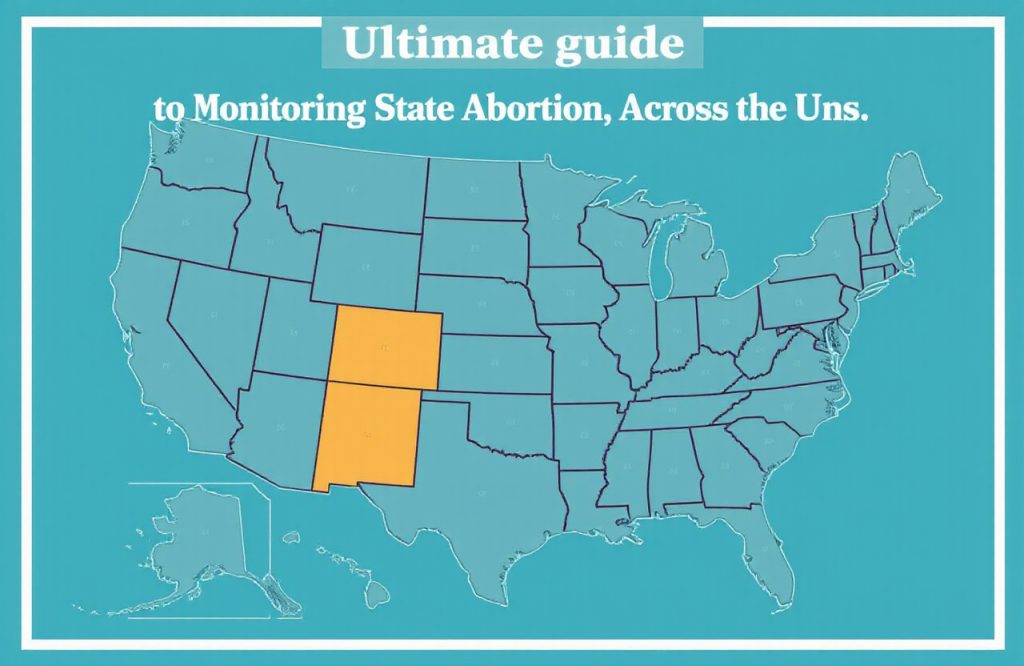
In light of the rapidly evolving abortion laws, Healthcare Dive has launched an interactive state tracker and comprehensive map to clarify the situation. This tool allows users to filter data by state, type of abortion ban, gestational limits, and exceptions. Each state’s abortion laws are outlined in detail.
Classification of Abortion Laws
Abortion laws are categorized into three classifications: legal, illegal, or legal but pending a ban. States in the third category may face changes in abortion status due to ongoing legal challenges or ambiguous enforcement guidelines. The tracker offers specific clarifications for each state.
Methodology Overview
An “illegal” classification indicates that a state has enacted an abortion ban prior to the approximately 24-week viability threshold established by Roe v. Wade. States that restrict abortion before this point—through total bans or bans after six or 15 weeks—are labeled as illegal. Conversely, states where abortion remains legal at any stage or up to 24 weeks are classified as legal.
Continuous Updates
The tracker will be consistently updated to reflect changes in state laws. For the most recent updates on abortion-related issues impacting patients and providers, readers are encouraged to subscribe to the Healthcare Dive newsletter.
State-by-State Abortion Status
Alabama
Status: Illegal
Exceptions are permitted only to protect the life of the pregnant individual.
Alaska
Status: Legal
Abortion is legal at all stages of pregnancy.
Arizona
Status: Legal
Abortion remains legal until fetal viability, roughly 24 weeks of pregnancy, following a recent ballot measure.
Arkansas
Status: Illegal
A trigger ban has been enacted, imposing a total ban without exceptions for rape or incest.
California
Status: Legal
Voters affirmed the right to an abortion in the state’s constitution on November 8.
Colorado
Status: Legal
Abortion is legal, but parental notification is required for minors.
Connecticut
Status: Legal
Abortion is legal until fetal viability, around 24 weeks of pregnancy.
Delaware
Status: Legal
Abortion is permitted up to fetal viability, approximately 24 weeks.
Florida
Status: Illegal
Abortion is banned after six weeks of pregnancy, with exceptions for rape and incest.
Georgia
Status: Illegal
Abortion is illegal after six weeks, following a complicated legal history.
Hawaii
Status: Legal
Residents can obtain an abortion until around 24 weeks of pregnancy.
Idaho
Status: Illegal
Nearly all abortions are prohibited, with limited exceptions during medical emergencies.
Illinois
Status: Legal
The Reproductive Health Act guarantees established abortion rights.
Indiana
Status: Illegal
A near-total abortion ban is set to be implemented following a recent Supreme Court ruling.
Iowa
Status: Illegal
Abortion is illegal after approximately six weeks of pregnancy following a recent Supreme Court decision.
Kansas
Status: Legal
Voters rejected a ballot measure aimed at nullifying abortion rights enshrined in the state constitution.
Kentucky
Status: Illegal
A state court has allowed a trigger ban to take effect amid ongoing litigation.
Louisiana
Status: Illegal
A trigger ban is in effect, following fluctuating judicial rulings.
Maine
Status: Legal
Abortion is permitted before viability, or around 24 weeks.
Maryland
Status: Legal
Abortion remains legal due to a law passed in 1991.
Massachusetts
Status: Legal
Abortion rights are protected under state law and constitution.
Michigan
Status: Legal
Abortion was legalized following a judge’s ruling and subsequent voter approval.
Minnesota
Status: Legal
Abortion is recognized as a right under the state constitution.
Mississippi
Status: Illegal
Abortion is banned with limited exceptions for rape or incest.
Missouri
Status: Illegal
A near-total ban is currently in place, despite a recent constitutional amendment supporting abortion rights.
Montana
Status: Legal
Abortion rights are acknowledged in the state constitution.
Nebraska
Status: Illegal
Abortion is illegal after 12 weeks, with certain exceptions.
Nevada
Status: Legal
Abortion rights were affirmed through the Trust Nevada Women Act.
New Hampshire
Status: Legal
Abortion is allowed up to viability, or 24 weeks.
New Jersey
Status: Legal
Abortion is legal without gestational limits and is protected by state law.
New Mexico
Status: Legal
State initiatives have established it as a safe haven for abortion access.
New York
Status: Legal
Abortion is legal and protected under state law.
North Carolina
Status: Illegal
A 20-week abortion ban is now in effect following a recent court ruling.
North Dakota
Status: Legal
Abortion is permitted after a judge overturned the near-total ban.
Ohio
Status: Legal
Voters approved an amendment ensuring access to abortion until fetal viability.
Oklahoma
Status: Illegal
A near-total ban prohibits abortions except in life-threatening situations.
Oregon
Status: Legal
Abortion is legal at all stages of pregnancy.
Pennsylvania
Status: Legal
Abortion is allowed up to 24 weeks of pregnancy.
Rhode Island
Status: Legal
Abortion rights were codified in 2019.
South Carolina
Status: Illegal
A six-week abortion ban has been upheld following court rulings.
South Dakota
Status: Illegal
A trigger ban criminalizes abortion without exceptions.
Tennessee
Status: Illegal
Abortion is banned under a total ban with no exceptions for rape or incest.
Texas
Status: Illegal
Abortion is nearly entirely prohibited, with severe penalties for violations.
Utah
Status: Illegal
Abortion is currently banned after 18 weeks, with a law mandating procedures take place in hospitals.
Vermont
Status: Legal
Abortion is legal at all stages, confirmed by a recent ballot measure.
Virginia
Status: Legal
Abortion remains legal, although discussions around potential bans are ongoing.
Washington
Status: Legal
Abortion is legal before fetal viability, or around 24 weeks.
West Virginia
Status: Illegal
A near-total ban has recently been enacted, with some exceptions.
Wisconsin
Status: Legal
A Supreme Court ruling has clarified the legality of abortion in the state.
Wyoming
Status: Legal
Abortion is legal after the state’s Supreme Court struck down restrictive laws.