Understanding Urinary Tract Infections (UTIs)
Overview of UTIs
Urinary tract infections (UTIs) are common health issues affecting both men and women. These infections occur when bacteria invade the urinary system, leading to inflammation and discomfort. Common symptoms include a burning sensation during urination, cloudy urine, lower abdominal pain, and frequent urges to urinate.
Home Testing for UTIs
Many individuals now opt for at-home UTI tests as a convenient method to evaluate their urinary health. These tests allow for the detection of potential infections without the need for a clinic visit. This article will explore the nature of these tests, their advantages, practical uses, and when to consult a healthcare professional.
What Are UTI At-Home Tests?
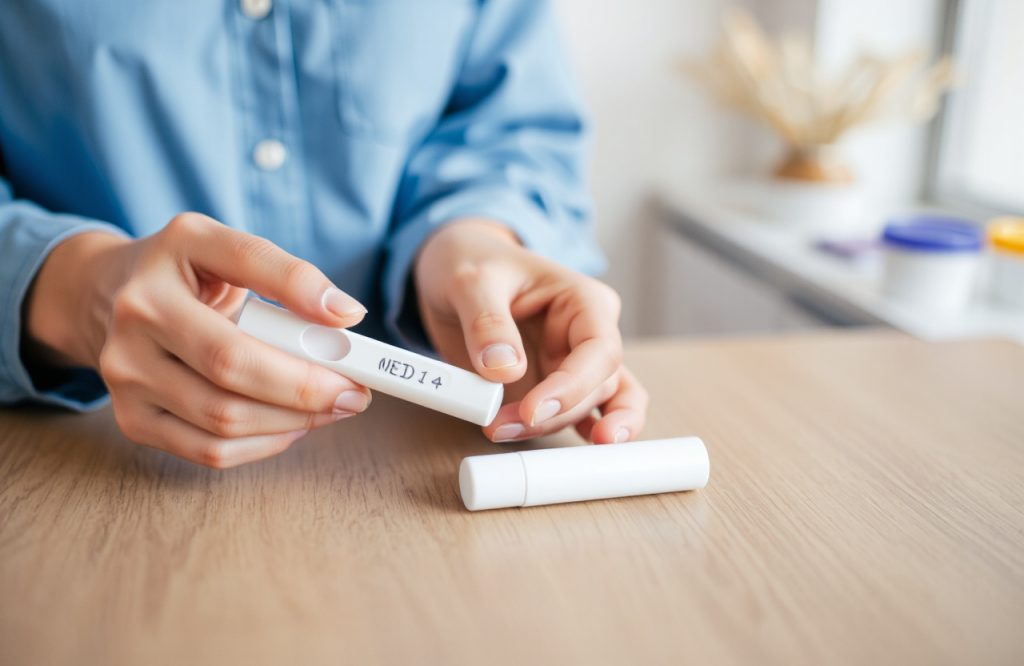
UTI at-home tests are user-friendly kits designed to identify indicators of a urinary infection. Typically, these kits include test strips that change color when dipped into a urine sample, signaling the presence of certain markers associated with UTIs.
Key Markers in UTI Tests
Most home UTI tests focus on detecting white blood cells, which are produced in response to bacterial infections. A positive result may indicate a UTI. These tests are widely available at pharmacies and online retailers, offering a private and quick assessment option.
How Do UTI At-Home Tests Work?
Using a UTI at-home test is straightforward:
1. Collect a urine sample in a clean container.
2. Dip the test strip into the sample.
3. Wait for 2 to 3 minutes to observe the color change.
If the color matches the positive result area, it may suggest an infection. Some digital kits provide clear results on a small screen. Early detection through home testing can facilitate prompt treatment, especially for those with previous UTI experiences.
Benefits of Using UTI At-Home Tests
There are several reasons why individuals may prefer at-home UTI tests:
Convenience
Testing can be done at any time and in the comfort of your home, eliminating the need for a clinic visit.
Privacy
Home testing offers a discreet option for those who may feel uncomfortable discussing urinary symptoms in a clinical setting.
Quick Results
Most kits deliver results within a minute, providing immediate feedback on potential health issues.
Early Monitoring
For those experiencing mild symptoms, early testing can help determine whether medical attention is necessary.
When to See a Physician
While at-home UTI tests are useful, they should not replace professional medical advice. You should consult a doctor if you experience the following:
– Severe or painful symptoms
– Fever or back pain
– Symptoms persisting for more than three days
– A positive test result
– Pregnancy (for women)
– Recurrent UTIs
A healthcare provider may conduct a urine culture test to confirm the diagnosis and prescribe antibiotics if necessary. Ignoring symptoms can lead to more serious conditions, including kidney infections.
Natural Ways to Prevent UTIs
While home testing is vital, prevention is equally important. Here are some effective strategies to reduce UTI risk:
– Drink up to 15 glasses of water daily.
– Avoid holding urine for extended periods.
– Urinate after engaging in physical activities.
– Wear breathable cotton underwear to promote comfort.
Accuracy of UTI At-Home Tests
Most at-home UTI tests are generally reliable and accurate, though they are not infallible. False positives and negatives can occur due to various factors, including:
– Certain infections not producing nitrites.
– Contaminated urine samples.
– Medications that may alter test results.
Conclusion
UTI at-home tests provide a convenient and effective way to monitor urinary health. They offer rapid results, privacy, and early detection of potential infections. Taking proactive steps in managing your health, including awareness of your body and timely action, can significantly enhance overall well-being.
FAQs
1. Are UTI at-home tests accurate?
While they are fairly reliable for detecting common infection markers, they should not be used as a substitute for a full medical diagnosis.
2. Can I treat a UTI based solely on a home test?
No, it is essential to consult a doctor before starting any treatment, especially antibiotics.
3. How often can I use UTI at-home tests?
You can use them whenever symptoms arise, but regular testing is not necessary.
4. Do UTI at-home tests work for both men and women?
Yes, these tests are suitable for both genders.