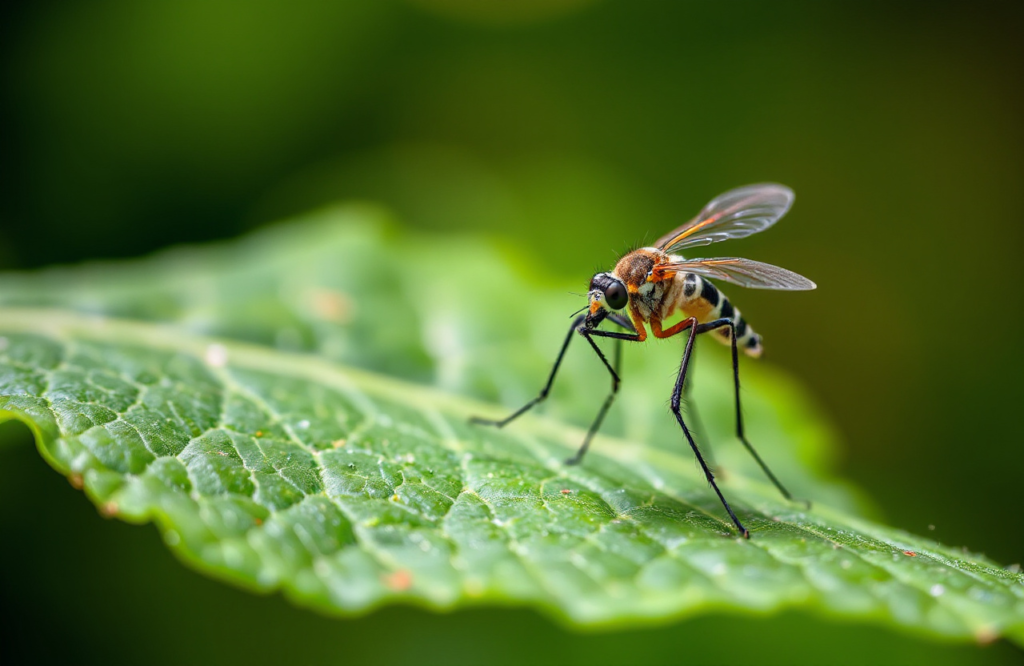
The Rise of Zika Virus in India During Monsoon
The onset of the monsoon season in India is often accompanied by a significant increase in cases of mosquito-borne diseases. This year, in addition to dengue, the Zika Virus has emerged as a new concern. The rising number of Zika Virus cases across the country has raised alarms, particularly among pregnant women who are severely affected by this virus. Let’s explore more about the Zika Virus.
What is Zika Virus?
Zika virus is a member of the flavivirus group and is transmitted primarily by the Aedes mosquito, which also spreads dengue, Japanese encephalitis, and yellow fever. Initially identified in a region of Africa, the virus spread to the Americas and caused multiple epidemics beginning in 2017. Subsequently, Zika infections began to spread eastward to South Asia, with India experiencing several outbreaks since 2021. The latest epidemic is currently observed in Maharashtra, particularly in Pune.
Transmission of Zika Virus
Zika virus is primarily transmitted through contact with infected body fluids. The common modes of transmission include:
- Bite from an Aedes mosquito.
- Transmission from mother to child during pregnancy.
- Sexual contact with an infected person.
- Less frequently, through organ transplantation.
Among these, mosquito bites remain the most prevalent route of transmission, emphasizing the importance of effective mosquito control measures.
Symptoms of Zika Virus Infection
Zika virus infection is typically mild, lasting up to a week for most individuals. Common symptoms include:
- Weakness.
- Joint and muscle pain.
- Conjunctivitis, leading to watery eyes.
- Fever.
- Occasional rash.
- Headache.
These symptoms are similar to those of other mosquito-borne diseases but are generally less severe.
Who is at Risk?
Individuals traveling to or residing in areas affected by the Zika virus, or those in close contact with infected persons, are at a heightened risk of infection. High-risk groups include:
- Travelers to Zika virus-affected regions.
- Pregnant women in areas experiencing Zika outbreaks.
- Unborn children of infected mothers.
- Sexual partners of individuals in endemic areas or with active infections.
- Organ transplant recipients in Zika-endemic regions.
- Older adults, young children, and immunocompromised individuals.
- Areas with active mosquito breeding, particularly after the monsoon season.
Complications Associated with Zika Virus
While Zika virus generally causes mild symptoms, it can lead to severe complications in rare cases, including:
- Microcephaly and calcifications in the brains of unborn babies, potentially affecting their development.
- Other congenital abnormalities such as limb contractures, early pregnancy loss, and complications like hearing loss and seizures in affected children.
- Association with Guillain-Barré syndrome, a serious condition leading to paralysis and, in severe cases, respiratory failure.
Zika Virus Syndrome
Zika virus syndrome affects approximately 6% of babies born to mothers infected with the virus, particularly when the mother contracts it during the first trimester. The likelihood decreases to less than 3.8% if the mother is infected in the third trimester. Symptoms of Zika virus syndrome include:
- Microcephaly.
- Brain development issues.
- Diplegia or paraplegia in infants.
- Irreversible hearing loss.
- Seizures.
- Feeding difficulties.
These severe outcomes are rare, and future pregnancies are not at risk if the mother is not infected during that time.
Diagnosis of Zika Virus
Diagnosis of Zika virus involves clinical evaluation of symptoms, followed by laboratory tests for confirmation. Common diagnostic tests include:
- ZIKV IgM testing using lateral flow assays or ELISA.
- Nucleic acid amplification tests (NAAT) for Zika virus.
- Isolation of the virus from bodily fluids of the infected individual.
These tests help distinguish Zika from other similar viral infections, such as dengue.
Treatment of Zika Virus
Management of Zika virus primarily focuses on alleviating symptoms and ensuring adequate hydration. Over-the-counter pain relievers like paracetamol can be used to manage discomfort. Severe cases may require hospitalization for further care.
Prevention of Zika Virus
Preventing Zika virus involves disrupting the transmission cycle, primarily by controlling mosquito populations. Recommended preventive measures include:
- Using mosquito nets during sleep.
- Applying mosquito repellent when outdoors.
- Eliminating potential mosquito breeding sites by draining stagnant water.
- Regularly cleaning and covering septic tanks and polluted water bodies.
- Wearing light-colored, protective clothing.
Zika Virus Vaccine Development
Currently, Zika virus vaccines are in development, with expectations for public availability in the next 2-3 years. The complexity of the virus and the lengthy vaccine development process necessitate thorough testing to ensure safety and efficacy, particularly for vulnerable populations such as pregnant women and children.
Precautions for Travelers
For individuals traveling to Zika virus-prone areas, the following precautions are advisable:
- Pregnant women should avoid travel to these regions to minimize infection risk.
- Other travelers should take personal protective measures, such as using mosquito repellent and wearing protective clothing.
- Avoid sexual contact with individuals in Zika-endemic areas.