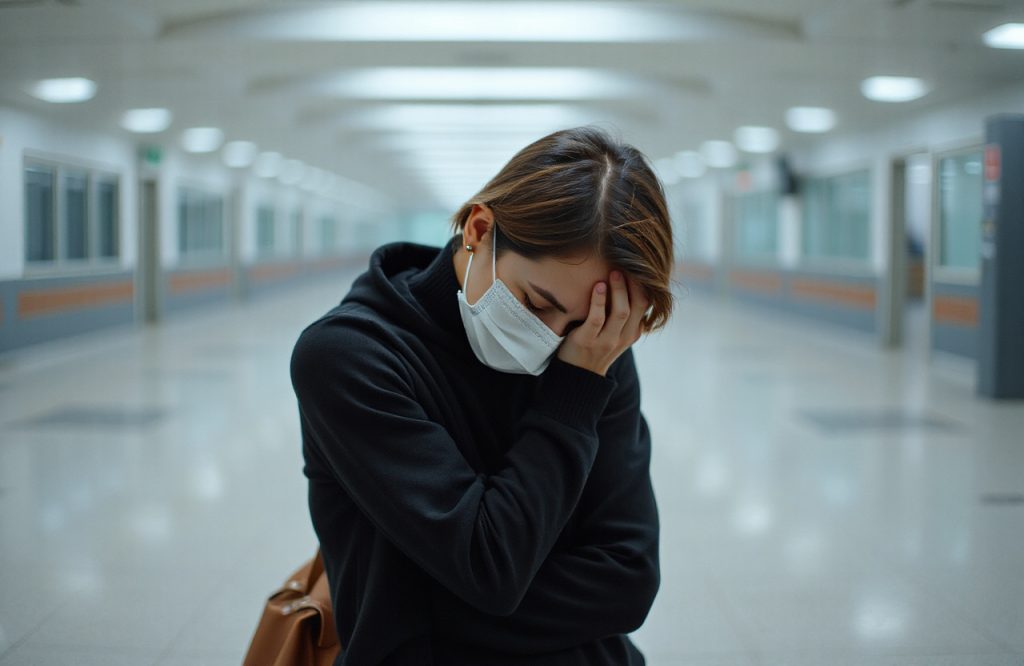
Impact of COVID-19 Lockdown on Mental Health: An Observational Study
Background and Purpose
An observational study was conducted to assess the week-by-week effects of COVID-19 lockdown measures on anxiety and depression rates. As the pandemic unfolded globally, concerns regarding its impact on mental health intensified. With the implementation of self-isolation requirements and significant lifestyle changes, researchers grew increasingly wary of the potential consequences of lockdown measures on mental well-being.
Study Design and Methodology
Despite numerous studies linking the pandemic to mental health issues, there has been a lack of week-by-week analysis. To address this gap, scientists in England developed an observational study that focused on participants’ anxiety and depression symptoms. The findings were published in The Lancet Psychiatry and involved 36,520 participants, each evaluated at least three times between March 1 and August 9, 2020.
Key Findings
The study revealed a steady decline in anxiety and depression rates over the 20 weeks following the introduction of lockdown measures in England, especially when compared to the initial week. The most significant reduction occurred during the strictest phase of the lockdown. Researchers suggest that this decline may be linked to participants’ increased adaptation to the lockdown environment.
Risk Factors Associated with Mental Health
The research identified several risk factors that were associated with heightened levels of anxiety and depression during the lockdown. These included being female or younger, possessing lower educational attainment, earning a lower income, having pre-existing mental health conditions, and living alone or with children. While levels of anxiety and depression within these risk categories showed a reduction comparable to the general population, disparities were still noticeable 20 weeks after the lockdown commenced.
Limitations of the Study
It is important to note that the sample used in this study was not randomly selected, which limits the ability to generalize the findings to the broader population. Additionally, while the study focused on certain symptoms, other potential indicators of mental health deterioration may not have been captured. Nonetheless, the data provides valuable insights into how the pandemic might impact mental health.
Implications and Recommendations
The study highlights specific demographic groups that may be particularly vulnerable to anxiety and depression during lockdowns, suggesting the need for increased support for these individuals prior to the implementation of such measures.
References
Bernshtein, M., Fancourt, D., Steptoe, A., & Bu, F. (2020). Trajectories of anxiety and depressive symptoms during enforced isolation due to COVID-19 in England: a longitudinal observational study. The Lancet Psychiatry. https://doi.org/10.1016/s2215-0366(20)30482-x
Image by Alexandra_Koch from Pixabay