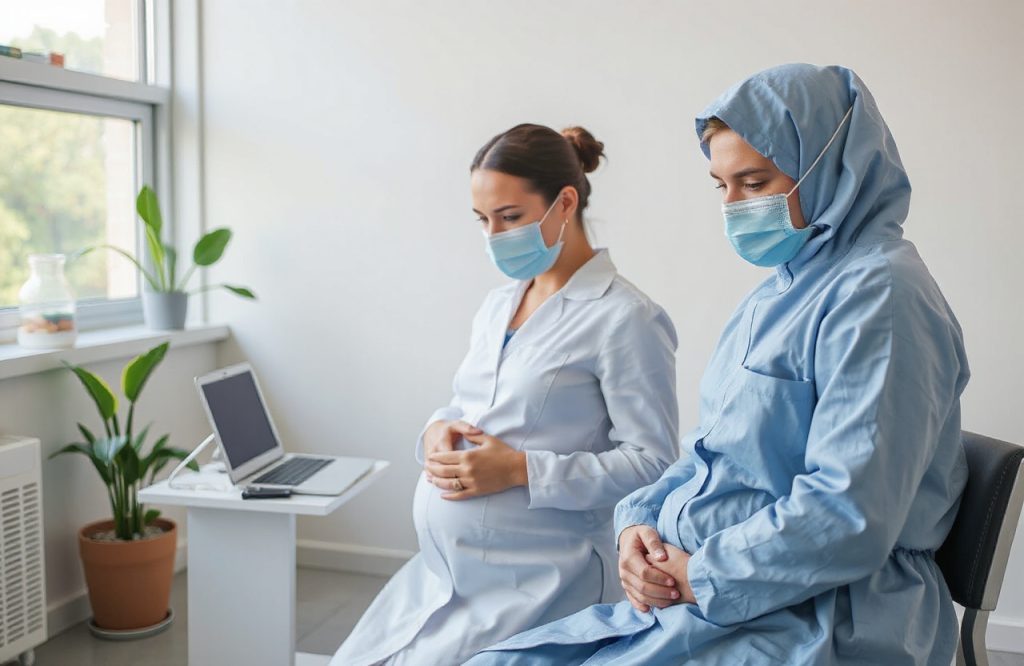
Impact of COVID-19 on Pregnant Women in Sweden
Introduction
Researchers in Sweden have assessed the effects of pregnancy during the COVID-19 pandemic. Giving birth is a significant life event that often brings excitement and anticipation for new mothers. However, the journey of pregnancy can also be filled with uncertainty, especially for first-time mothers who may feel overwhelmed by the responsibilities of parenting.
Vulnerability During Pregnancy
Pregnancy is a time of both physical and mental vulnerability for mothers and their babies. While the physical changes can be uncomfortable, they also represent milestones leading to childbirth. Studies indicate that although mothers may experience a lower quality of life compared to the general population, many report an improvement in their mental well-being during pregnancy. It is important to note, however, that mental health issues are prevalent among pregnant women.
Factors Influencing Mental Health
Several factors can exacerbate mental health challenges during pregnancy, including shift work, lack of sleep, limited social support, and pregnancy-related anxieties. Younger mothers are particularly at risk, with issues such as previous psychological distress, abuse, and poverty further heightening the likelihood of experiencing mental health problems. Unfortunately, mental health assessments are often not included in routine maternal care, particularly in low and middle-income countries.
The Effects of the COVID-19 Pandemic
The COVID-19 pandemic has intensified the challenges faced by pregnant women. A study revealed that 57% of pregnant women reported increased levels of depression during the pandemic. Additionally, worries among expectant mothers rose by 30%, and incidents of insomnia increased by 19%. Common fears during this period included concerns about infecting loved ones and potential harm to their infants, prompting a notable rise in requests for C-sections.
Study Overview
In contrast to many countries, Sweden did not enforce strict lockdown measures during the pandemic, opting instead for social distancing recommendations. Researchers from the University of Gothenburg conducted a study examining the experiences of pregnant women during this time, with their findings published in the journal Women and Birth. The study focused on fourteen pregnant women who had not contracted COVID-19 and gave birth between August and November 2020, during the first and second waves of the pandemic.
Research Methodology
The study participants faced various restrictions, including their partners being barred from attending maternal check-ups and ultrasounds. While partners could be present during delivery, they were not permitted in maternity or postpartum wards. The researchers conducted in-depth interviews with these women, recording and transcribing the discussions for detailed analysis.
Key Findings
From the interviews, researchers identified five essential experiences shared by the women:
1. Dealing with uncertainties
2. Information echo
3. Social isolation
4. Maternity care without support
5. Trust in maternal healthcare services
The study concluded that the COVID-19 pandemic significantly influenced the participants’ experiences, leading them to engage more deeply with these themes than they may have under different circumstances. The researchers suggest that these insights could assist healthcare providers in developing holistic services that address both physical and mental well-being for pregnant women.
References
1. Davis EP, Narayan AJ. Pregnancy as a period of risk, adaptation, and resilience for mothers and infants. Development and Psychopathology. 2020;32(5):1625-1639. doi:10.1017/s0954579420001121
2. Lagadec N, Steinecker M, Kapassi A, et al. Factors influencing the quality of life of pregnant women: a systematic review. BMC Pregnancy and Childbirth. 2018;18(1). doi:10.1186/s12884-018-2087-4
3. Howard LM, Khalifeh H. Perinatal mental health: a review of progress and challenges. World Psychiatry. 2020;19(3):313-327. doi:10.1002/wps.20769
4. Sattler MC, Jelsma JGM, Bogaerts A, et al. Correlates of poor mental health in early pregnancy in obese European women. BMC Pregnancy and Childbirth. 2017;17(1). doi:10.1186/s12884-017-1595-y
5. Lucas G, Olander EK, Ayers S, Salmon D. No straight lines – young women’s perceptions of their mental health and wellbeing during and after pregnancy: a systematic review and meta-ethnography. BMC Women’s Health. 2019;19(1). doi:10.1186/s12905-019-0848-5
6. McCauley M, Brown A, Ofosu B, van den Broek N. “I just wish it becomes part of routine care”: healthcare providers’ knowledge, attitudes and perceptions of screening for maternal mental health during and after pregnancy: a qualitative study. BMC Psychiatry. 2019;19(1). doi:10.1186/s12888-019-2261-x
7. Ulrich F, Petermann F. Consequences and Possible Predictors of Health-damaging Behaviors and Mental Health Problems in Pregnancy – A Review. Geburtshilfe und Frauenheilkunde. 2016;76(11):1136-1156. doi:10.1055/s-0042-118180
8. Khoury JE, Atkinson L, Bennett T, Jack SM, Gonzalez A. COVID-19 and mental health during pregnancy: The importance of cognitive appraisal and social support. Journal of Affective Disorders. 2021;282:1161-1169. doi:10.1016/j.jad.2021.01.027
9. Salehi L, Rahimzadeh M, Molaei E, Zaheri H, Esmaelzadeh‐Saeieh S. The relationship among fear and anxiety of COVID‐19, pregnancy experience, and mental health disorder in pregnant women: A structural equation model. Brain and Behavior. 2020;10(11). doi:10.1002/brb3.1835
10. Linden K, Domgren N, Zaigham M, Sengpiel V, Andersson ME, Wessberg A. Being in the shadow of the unknown — Swedish women’s lived experiences of pregnancy during the COVID-19 pandemic, a phenomenological study. Women and Birth. Published online September 2021. doi:10.1016/j.wombi.2021.09.007