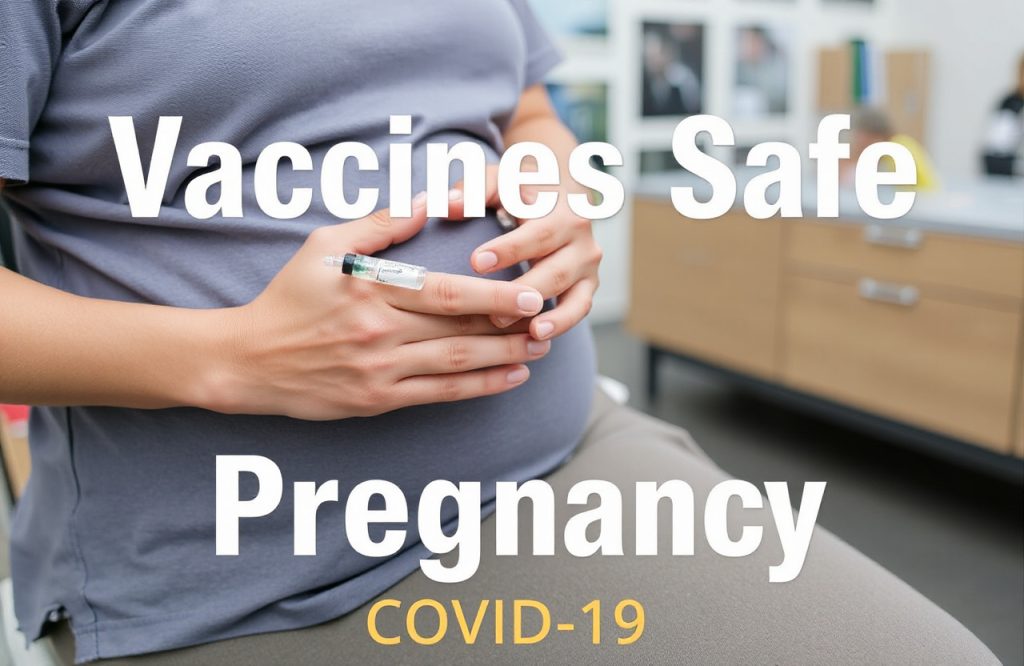
COVID-19 Vaccine During Pregnancy: Key Findings from Recent Research
Understanding the Necessity of Vaccination
If you are considering whether to receive a COVID-19 vaccine during pregnancy, recent scientific research offers valuable insights. Evidence suggests that for expectant mothers, avoiding the COVID-19 vaccine carries greater risks than choosing to be vaccinated.
Research Overview
A study conducted by scientists from Sweden and Norway analyzed national data on live births between January 2021 and April 2022. Published in JAMA, this research focused on the safety and implications of the COVID-19 vaccine on newborns, indicating that mothers who received mRNA vaccines had healthier babies.
Health Outcomes for Newborns
The findings revealed that vaccinated birthing parents delivered infants with improved health outcomes and fewer complications. Specifically, newborns of vaccinated mothers had lower instances of brain bleeds, oxygen-related brain injuries, and neonatal mortality.
Initial Concerns About Vaccine Safety
Initially, during the vaccine rollout, the U.S. Food and Drug Administration and the European Medicines Agency received reports suggesting a potential link between mRNA vaccines and birth defects, including bleeding disorders and immune reactions. However, the recent research found no evidence that the mRNA COVID-19 vaccine harmed unborn children. In fact, infants born to vaccinated mothers were generally healthier than those born to unvaccinated mothers.
Methodology of the Study
The research included nearly 200,000 newborns conceived between January 1, 2021, and April 12, 2022, with about half exposed to the vaccine in utero. Mothers received the vaccine at or after 22 weeks of pregnancy. The large sample size allowed researchers to effectively match participants based on factors such as age, education, smoking habits, and birthplace, ensuring that vaccination status was the primary variable.
Data Collection Sources
Data was collected from the Swedish Pregnancy Register, the Swedish Neonatal Quality Register, the National Vaccination Register in Sweden, and the Swedish Register for Communicable Diseases. Additional information was sourced from the Norwegian Surveillance System for Communicable Diseases and Statistics Norway. The researchers adjusted for various factors, including maternal age and pregnancy complications, to provide an equitable comparison of health outcomes.
Key Findings on Newborn Health
Children born to vaccinated mothers exhibited a reduced incidence of premature birth, low birth weight, brain bleeds, and mortality within 28 days of birth. They also achieved better APGAR scores, which evaluate a newborn’s health immediately after delivery. These results address concerns regarding potential harm from the COVID-19 vaccine during pregnancy.
Addressing Concerns About Myocarditis
The study found no correlation between maternal vaccination and heart complications or inflammatory conditions in newborns. This finding alleviates fears that vaccination could increase the risk of myocarditis in infants. Monitoring a large group of Scandinavian children revealed no cases of neonatal myocarditis or other inflammatory issues among those born to vaccinated mothers.
Investigating Various Newborn Complications
The researchers explored a wide range of complications that could affect newborns, including:
– Bleeding and blood clotting disorders
– Inflammatory conditions such as myocarditis and septicemia
– Central nervous system disorders, including convulsions and oxygen deprivation
– Circulatory issues, such as heart failure
– Gastrointestinal problems, including vomiting and necrotizing enterocolitis
– Respiratory complications
– Death occurring within 28 days after birth
Comprehensive Analysis of Results
To ensure robust findings, researchers analyzed data from multiple perspectives, including the timing of vaccination during pregnancy and the specific vaccine brand administered. It is essential to recognize potential confounding factors, such as the health-conscious behaviors of vaccinated mothers, which may have influenced the observed outcomes.
Conclusion: The Importance of Vaccination
This study contributes to ongoing research regarding the protective benefits of COVID-19 vaccination during pregnancy. Previous studies have indicated that COVID-19 infection can result in severe complications, including fetal brain damage. Given the associated risks of COVID-19, this research highlights that the COVID-19 vaccine is both safe and beneficial for pregnant individuals.
References
1. Norman, Mikael, et al. “Neonatal outcomes after covid-19 vaccination in pregnancy.” JAMA, vol. 331, no. 5, 6 Feb. 2024, p. 396, https://doi.org/10.1001/jama.2023.26945.
2. “Safety of COVID-19 Vaccines.” Safety of COVID-19 Vaccines | European Medicines Agency, www.ema.europa.eu/en/human-regulatory-overview/public-health-threats/coronavirus-disease-covid-19/covid-19-medicines/safety-covid-19-vaccines#suspected-side-effects-section. Accessed 10 Apr. 2024.
3. Germano, Chiara, et al. “Fetal brain damage during maternal covid-19: Emerging hypothesis, mechanism, and possible mitigation through maternal-targeted nutritional supplementation.” Nutrients, vol. 14, no. 16, 12 Aug. 2022, p. 3303, https://doi.org/10.3390/nu14163303.
4. Wei, Shu Qin, et al. “The impact of covid-19 on pregnancy outcomes: A systematic review and meta-analysis.” Canadian Medical Association Journal, vol. 193, no. 16, 19 Mar. 2021, https://doi.org/10.1503/cmaj.202604.