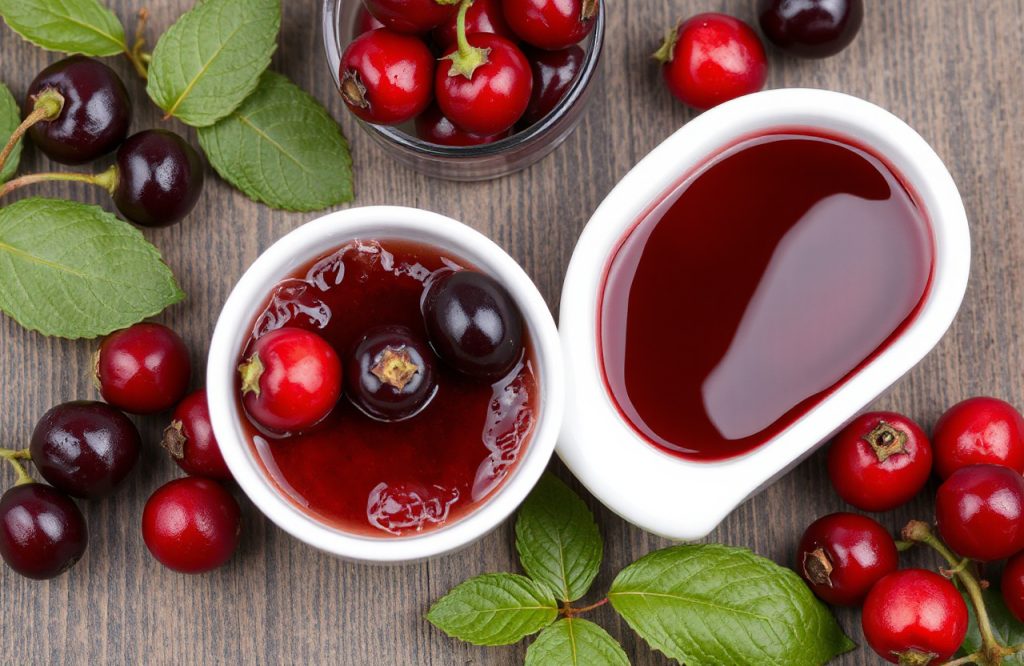
Examining Cranberry Use for Urinary Tract Infection Prevention
Understanding Urinary Tract Infections
Urinary tract infections (UTIs) represent the most frequently occurring uncomplicated infections in the bladder, impacting over 150 million individuals globally each year. Women are particularly vulnerable, facing an estimated 50% lifetime risk of experiencing a UTI, along with a 20-30% chance of recurrence.
Current Treatment Options and Challenges
At present, antibiotics, especially fluoroquinolones, are the primary treatment for UTIs. However, bacterial resistance to fluoroquinolones exceeds 20% in various regions. In 2016, the FDA indicated that the adverse effects associated with these antibiotics outweighed their benefits for patients with uncomplicated UTIs. This situation has prompted healthcare professionals to explore non-antibiotic alternatives for managing these infections.
Cranberry as a Potential Alternative
The use of cranberry for preventing UTIs has garnered interest from researchers as a potential treatment option. Despite its popularity, the effectiveness of cranberry in preventing these infections remains contentious. Previous studies suggest that cranberry juice or supplements could lower the risk of UTIs in healthy women by potentially suppressing inflammation and hindering bacterial adhesion to the urinary tract.
Conversely, other studies have found no significant benefit, reporting that cranberry products perform no better than placebos in UTI prevention.
Recent Study Findings
A recent analysis published in The Journal of Nutrition by Fu and colleagues examined multiple studies to evaluate the effect of cranberry on the recurrence of UTIs among generally healthy women. The analysis included randomized controlled trials from January 2010 to July 2017, focusing on non-pregnant women over the age of 18 with a history of uncomplicated UTIs. Participants were divided into cranberry intervention groups and placebo/control groups.
In total, the review encompassed 1,498 participants across seven trials, with 798 receiving cranberry treatments (juice, tablets, or capsules) and 702 in the control groups. The findings indicated that cranberry products reduced the risk of UTI recurrence by 26% in healthy women compared to the control group. Notably, women who were UTI-free at enrollment and used cranberry experienced a 35% decrease in recurrence rates.
However, no significant reduction was observed among women who had active UTIs at enrollment and were treated with antibiotics before evaluating recurrence.
Study Limitations
Several limitations were identified in this study. Three of the seven trials reported a high attrition rate among participants, and selective reporting may have influenced results. The studies primarily targeted healthy women at risk for UTIs, but baseline risk factors may not have been consistent across populations. There is a possibility that some participants with active UTIs and unknown histories of previous infections were included, which could skew recurrence assessments. Additionally, one trial used a combination of cranberry and lingonberry juice, complicating the attribution of outcomes solely to cranberry.
Conclusion and Future Research Directions
The findings suggest that cranberry may serve as a viable non-antibiotic alternative for preventing recurrent UTIs in generally healthy women. These results could help lower healthcare costs and inform treatment strategies. Nonetheless, further research is necessary to validate these conclusions.
References
Fu, Z., Liska, D., Talan, D., & Chung, M. (2017). Cranberry Reduces the Risk of Urinary Tract Infection Recurrence in Otherwise Healthy Women: A Systematic Review and Meta-Analysis. The Journal Of Nutrition, jn254961. http://dx.doi.org/10.3945/jn.117.254961
Related Topics of Interest
– Does drinking water actually decrease your chance of urinary tract infection?
– Do cranberries really work for UTIs?
– Bladder Cancer