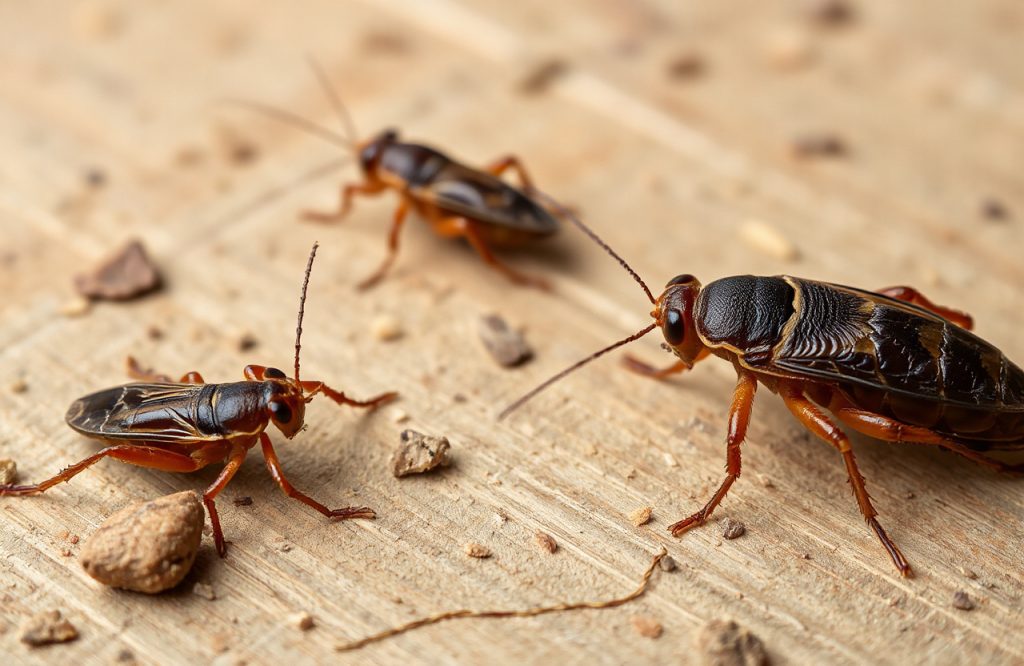
Crickets: A Sustainable Protein Source
Introduction to Cricket Consumption
Crickets are emerging as a sustainable protein alternative in the Western world, contrasting with traditional livestock. Recent research from the University of Madison-Wisconsin indicates that consuming crickets is safe and may enhance gut health in healthy adults.
The Challenge of Global Food Security
The growing global population and the impacts of climate change pose significant threats to food security. Livestock production accounts for approximately 14.5% of greenhouse gas emissions, contributing to climate change, which in turn limits global crop production. Given these challenges, finding sustainable protein sources is essential. Crickets may offer an environmentally friendly protein option that benefits both humans and the planet.
Global Insect Consumption Trends
Insects have been part of human diets for centuries, with approximately 2 billion people across 130 countries regularly consuming them. Insects are rich in fiber, protein, essential fatty acids, vitamins, and minerals. Moreover, raising edible insects like crickets generates fewer greenhouse gases and requires significantly less land, water, and feed than traditional livestock. Despite their widespread consumption, knowledge about edible insects remains limited, primarily focusing on their nutritional benefits.
Research on Cricket Consumption and Gut Health
A study published in *Scientific Reports* by researchers at the University of Madison-Wisconsin sought to investigate the effects of cricket consumption on the gut microbiome. The gut microbiome’s composition is influenced by the types and amounts of insoluble fiber consumed, impacting human physiology, metabolism, immune function, energy, and mood. Crickets are particularly high in chitin, an insoluble fiber that may promote beneficial gut bacteria, although the specifics of this relationship are not fully understood.
Study Methodology and Findings
In this study, participants consumed 25 grams of commercially available whole cricket powder daily in their breakfast for two weeks, followed by a control breakfast for another two weeks. Researchers collected blood and stool samples before and after each treatment period to assess the effects of cricket consumption on liver function and the gut microbiome.
Impact on Gut Bacteria
The findings revealed that while cricket consumption did not drastically alter the gut microbiome of healthy adults, it did increase the abundance of five bacterial species, including *Bifidobacterium animalis*, a well-known probiotic that supports gut health and immune function. This evidence suggests that consuming 25 grams of whole cricket powder daily is safe and may confer additional dietary advantages beyond nutritional content.
The Future of Cricket Consumption
As the global population continues to rise and the search for sustainable protein sources intensifies, crickets may become a viable alternative to traditional livestock. Incorporating crickets into diets could potentially help address food security and climate change challenges.
Conclusion
The exploration of crickets as a food source underscores their potential to contribute to a more sustainable food system. With growing awareness and acceptance, crickets could play a significant role in meeting global nutritional needs.
Reference
Stull et al. (2018). Impact of edible cricket consumption on gut microbiota in healthy adults, a double-blind, randomized crossover. *Scientific Reports*, 8:10762.