Study Links Cruciferous Vegetables to Reduced Breast Cancer Risk
Overview of Cruciferous Vegetables
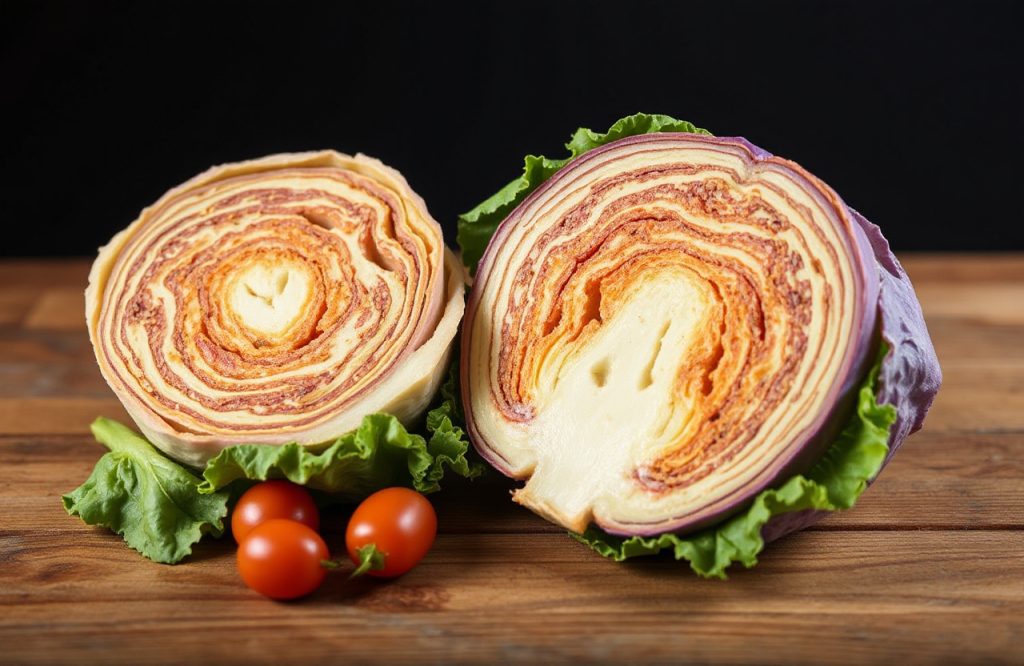
A recent study from China investigated the connection between cancer-fighting compounds found in cruciferous vegetables and the risk of breast cancer. Cruciferous vegetables, part of the Brassica plant family, include cabbage, broccoli, kale, bok choy, cauliflower, and Brussels sprouts. These vegetables are recognized for their health benefits, particularly in relation to cancer prevention. Notably, breast cancer is currently the most prevalent cancer among women.
The Role of Glucosinolates
The protective effects of cruciferous vegetables are attributed to their high glucosinolate content. Glucosinolates are natural compounds that help defend plants against pests. When these vegetables are chopped or chewed, plant enzymes convert glucosinolates into isothiocyanates, which exhibit anti-cancer properties. Isothiocyanates can inhibit cancer-promoting substances, eliminate cancer cells, and hinder tumor growth.
Research Methodology
Researchers in China explored the relationship between the consumption of glucosinolates and isothiocyanates from cruciferous vegetables and breast cancer risk among Chinese women. Their findings were published in the British Journal of Nutrition. The study took place from 2007 to 2017 across three hospitals in Guangdong, China. Researchers recruited women recently diagnosed with breast cancer and matched them with cancer-free women attending other hospital departments. The study included 1,485 women with breast cancer and 1,506 control subjects without cancer.
Data Collection and Analysis
Trained interviewers gathered information regarding participants’ medical histories, dietary habits, and lifestyle choices. Using a comprehensive food frequency questionnaire, researchers assessed the consumption of cruciferous vegetables and calculated daily average intakes of glucosinolates and isothiocyanates.
Findings on Vegetable Intake and Breast Cancer
The study revealed that women with breast cancer generally had lower intakes of total cruciferous vegetables, glucosinolates, and isothiocyanates compared to control subjects. After adjusting for other potential factors influencing breast cancer risk, the researchers calculated odds ratios for breast cancer development, comparing the highest and lowest intakes of cruciferous vegetables, glucosinolates, and isothiocyanates.
Implications of Odds Ratios
Odds ratios serve as a useful metric in case-control studies to assess the likelihood of developing a disease based on exposure to specific factors. An odds ratio of 1 indicates no effect, while a ratio above 1 suggests increased risk, and below 1 indicates reduced risk. In this study, the odds ratios were 0.51 for cruciferous vegetables, 0.54 for glucosinolates, and 0.62 for isothiocyanates, suggesting a correlation between higher intake of these substances and a lower risk of breast cancer among the participants.
Future Research Directions
While these findings are promising, further research is needed to confirm the results across different populations. The study indicates that increased consumption of cruciferous vegetables, along with their glucosinolate and isothiocyanate content, may offer protective benefits against breast cancer. Promoting the intake of these vegetables could serve as a cost-effective strategy for cancer prevention.
Reference
Zhang NQ, Ho SC, Mo XF et al. Glucosinolate and isothiocyanate intakes are inversely associated with breast cancer risk: a case-control study in China. British Journal of Nutrition (2018); 119, 957-964. Doi:10.1017/S0007114518000600