Cancer remains a significant global health challenge, characterized by the uncontrollable growth and spread of abnormal cells. It transcends geographical, economic, and social barriers, affecting millions worldwide. According to the World Health Organization, several million new cancer cases are reported each year, with numbers expected to rise due to factors such as an aging population, lifestyle changes, and environmental influences.
The diversity of cancer types—ranging from breast and lung cancers to colorectal and skin cancers—complicates diagnosis, treatment, and prevention efforts. In this blog, we will delve into the costs associated with cancer treatment in India, outlining the journey from diagnosis to recovery and demonstrating how international patients can benefit from India’s healthcare services.
Cancer often develops silently, making early detection crucial for improving survival rates. Unfortunately, a lack of awareness and limited access to screening facilities, particularly in low- to middle-income countries, often hampers early diagnosis. This underscores the need for a unified global strategy to enhance cancer education and healthcare infrastructure.
The economic implications of cancer are severe, placing a strain on healthcare systems and burdening families and communities. The high costs of treatment can lead to financial devastation, especially in regions where health insurance is inadequate. This financial pressure is a global issue that necessitates innovative solutions, including more affordable treatment options and enhanced support systems.
Fortunately, advancements in medical research have sparked hope in the fight against cancer. Innovations in targeted therapies, immunotherapy, and personalized medicine are transforming treatment paradigms. However, access to these cutting-edge treatments varies significantly across countries, often depending on a nation’s economic status. Bridging this gap is essential to ensure equitable access to life-saving therapies.
Preventative measures are also key. Embracing a healthy lifestyle—such as maintaining a balanced diet, exercising regularly, and avoiding tobacco and excessive alcohol—can significantly reduce the risk of many cancers. Public health initiatives promoting these preventive strategies are vital, particularly in areas experiencing an uptick in lifestyle-related cancers.
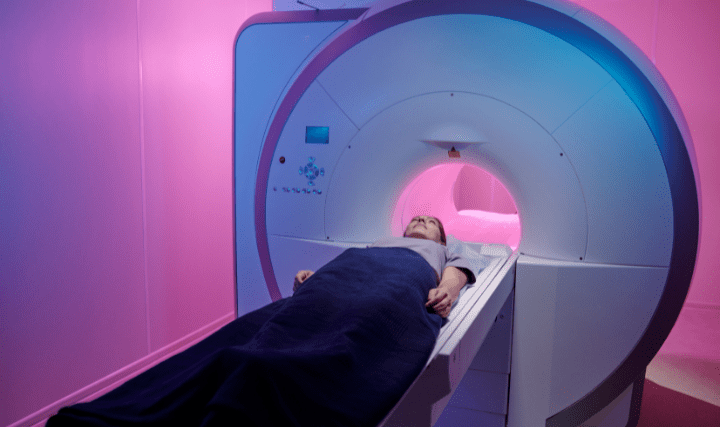
When it comes to cancer treatment costs in India, the journey begins with diagnostic tests like CT scans, blood work, and biopsies. These tests are crucial for accurately determining the type and stage of cancer. In India, these initial assessments are generally more affordable than in Western nations, without compromising quality. For example, the cost of a CT scan for identifying brain tumors is significantly lower in India.
Various treatment options are available depending on the type and stage of cancer, including surgery, chemotherapy, radiation, and specialized therapies. Overall, cancer treatment costs in India are typically more economical compared to many developed countries. Additionally, advanced treatments such as bone marrow transplants are offered at substantially lower prices, tailored to the patient’s specific needs.
Several factors influence cancer treatment costs in India, including the type of cancer, its stage, treatment modality, and duration. For instance, treating an advanced brain tumor will differ in cost from treating early-stage breast cancer.
Post-treatment care, including rehabilitation and follow-up consultations, is also crucial. In India, these expenses are relatively lower, ensuring that patients receive comprehensive care without financial strain.
International patients have easier access to cancer treatment in India, aided by streamlined medical visa processes and numerous Joint Commission International (JCI)-accredited hospitals. These facilities not only provide advanced treatments but also assist with accommodations, translation services, and other necessities to ensure a comfortable experience throughout the treatment journey.
At UniMediks, we recognize the complexities of seeking cancer treatment abroad. Our platform is designed to support patients at every stage of their journey in India, from initial consultations and diagnostic tests to post-treatment recovery plans. We strive to ensure that patients receive high-quality care at affordable prices.
In conclusion, while the journey from diagnosis to treatment in cancer care can be daunting, India’s medical tourism sector offers hope. With its combination of affordable and quality treatment options, India is a promising destination for those seeking cancer care. At UniMediks, we are dedicated to making this journey as seamless and accessible as possible for patients around the world.