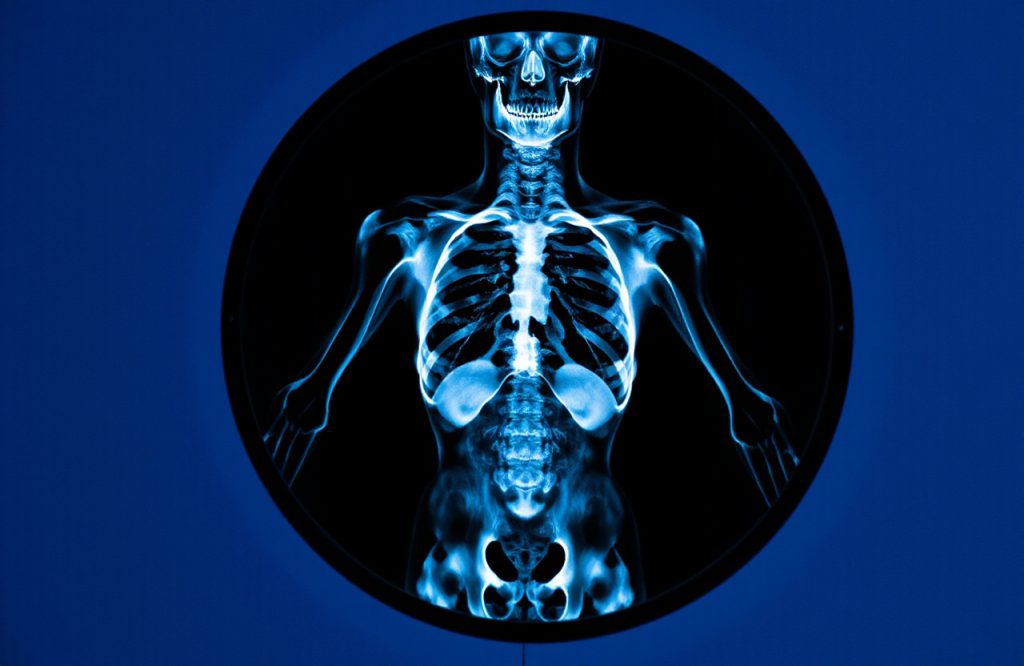
Advancements in Radiology Technology
Introduction
Over the past two decades, the field of radiology has experienced significant technological advancements. Medical imaging systems such as CT scans, X-rays, and ultrasounds have become indispensable tools in the healthcare industry. Continuous improvements and breakthroughs in technology are enhancing these systems, yet many of us may overlook the impressive innovations that are reshaping healthcare.
What is Radiology?
Radiology refers to the medical practice or department specializing in imaging systems that diagnose internal health issues, including diseases and injuries that once required invasive surgical procedures for diagnosis. Common equipment found in radiology departments includes X-ray machines, CT scanners, and MRI machines. Facilities like Mermaid Beach Radiology focus specifically on these imaging services.
When visiting a radiology clinic, a radiologist operates the imaging equipment. These professionals, trained as radiology technicians, are skilled in both using the machines and interpreting the results. They communicate their findings to the referring physician for further action.
When Should You See a Radiologist?
Patients are typically referred to a radiologist when their symptoms cannot provide sufficient information for a diagnosis. Radiology imaging systems allow medical professionals to gain insights into the body’s condition without the need for surgical intervention. For instance, if a patient experiences severe knee pain after a fall, a doctor might suspect an ACL injury and recommend an X-ray to assess the damage. The results can then guide treatment decisions.
Radiology is useful in various situations, including:
– Unexplained symptoms
– Chronic conditions
– Cancer screening
– Monitoring treatment effectiveness
– Prenatal care
– Injury assessments
The Latest Advancements in Radiology
Recent years have seen remarkable enhancements in radiology systems, improving their imaging capabilities and diagnostic accuracy. Below are some of the latest innovations in radiology technology:
The Integration of Artificial Intelligence
Artificial Intelligence (AI) has made a profound impact across various sectors, including healthcare. In radiology, AI and machine learning algorithms enhance the processing, analysis, and detection of abnormalities in imaging data. These advancements lead to improved image quality and reduce the need for retakes, thereby enhancing efficiency. AI also simplifies data presentation, allowing radiologists to make quicker and more accurate diagnoses.
Off-site Cloud Storage for Healthcare Facilities
One of the persistent challenges in healthcare has been the storage of patient data. With the advent of cloud technology, hospitals can now securely store and access vast amounts of patient information at the click of a button. This transition from physical files to cloud storage not only conserves space but also allows for quick retrieval of patient records, facilitating better patient care.
Remote Access Systems
Cloud technology also enables medical personnel to access essential patient information remotely, provided they have a secure internet connection. This capability allows doctors, nurses, and radiologists to retrieve necessary data from their mobile devices or laptops, enabling them to monitor patients and administer treatments efficiently.
Final Thoughts
With each passing year, radiology systems continue to evolve, enhancing the quality of patient care. It is reassuring to know that healthcare systems are consistently developing methods to diagnose and treat conditions more accurately. The future of radiology technology promises even greater advancements, bringing us closer to improved healthcare outcomes.
Disclaimer
The editorial staff of Medical News Bulletin played no role in the preparation of this article. The views expressed herein are those of the advertiser and do not reflect the opinions of Medical News Bulletin. The publication does not accept liability for any loss or damages resulting from the use of products or services mentioned, nor does it endorse any products or services in its sponsored articles.