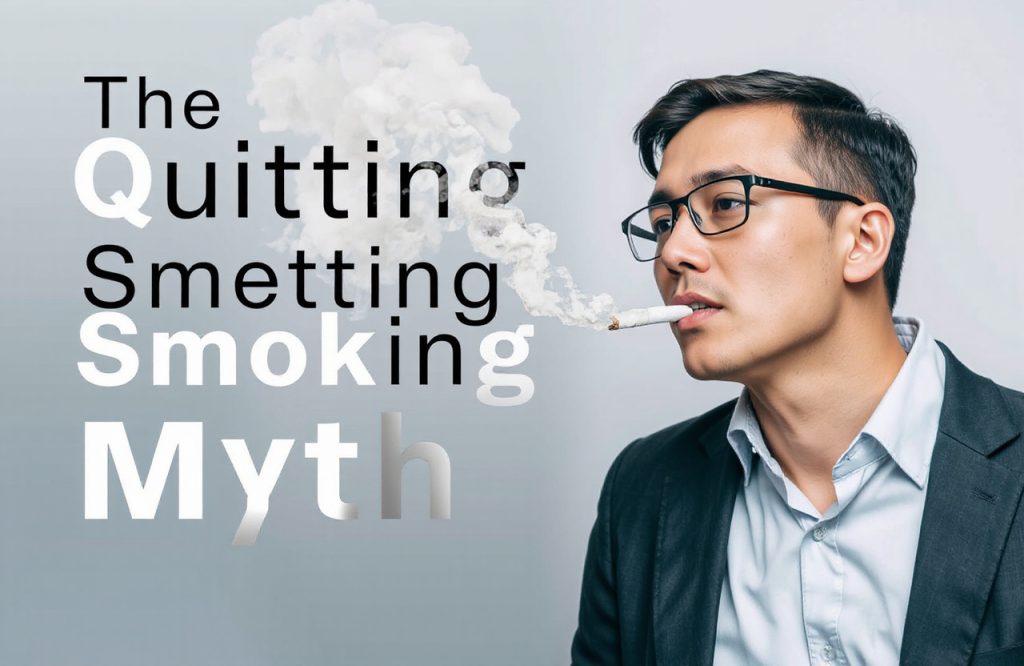
Myth vs. Truth: Smoking Cessation Medication Safety
Myth: Medication to Quit Smoking is Dangerous
The notion that medications used to assist in quitting smoking are dangerous is a misconception.
Truth: Cigarette Smoking Poses Greater Risks
Cigarette smoking significantly increases the risk of serious health issues, including heart attack, stroke, heart disease, heart failure, and premature death. Consequently, smoking is a leading contributor to cardiovascular disease.
Effective Medications for Smoking Cessation
Fortunately, there are effective medications available to aid individuals in successfully stopping smoking. The three prevalent options include:
– Nicotine-replacement therapy (such as Nicorette, Nicoderm, and Habitrol)
– Varenicline (known as Champix or Chantix)
– Bupropion (marketed as Zyban)
These medications may influence cardiac health by potentially increasing heart rate and blood pressure, or by impacting the cells that line blood vessel walls.
Research Findings on Medication Safety
A study published in JAMA Internal Medicine examined the effects of these smoking cessation medications. The research revealed no significant differences in cardiovascular events between those taking the medications and those receiving a placebo.
Conclusion: Medications are Safe and Effective
In summary, medications designed to assist individuals in quitting smoking have been shown to be both safe and effective. For further details on the study, refer to the original publication.
Reference
Benowitz NL, Pipe A, West R, et al. Cardiovascular safety of varenicline, bupropion, and nicotine patch in smokers: A randomized clinical trial. JAMA Intern Med. 2018. doi:10.1001/jamainternmed.2018.0397