Study Findings on Wheatgrass Supplementation in Women Aged 30-60
Impact on Atherosclerosis and Cholesterol Levels
A recent study focusing on women aged 30 to 60 years indicates that wheatgrass supplementation can lower markers of atherosclerosis, total cholesterol, and triacylglycerol levels. However, it does not lead to significant reductions in high-density lipoprotein (HDL) levels, menopausal symptoms, or urogenital issues. The link between cardiovascular disease in women and declining estrogen levels during menopause is well-documented, although the relationship between treating menopausal symptoms and cardiovascular health remains unclear.
Properties of Wheatgrass
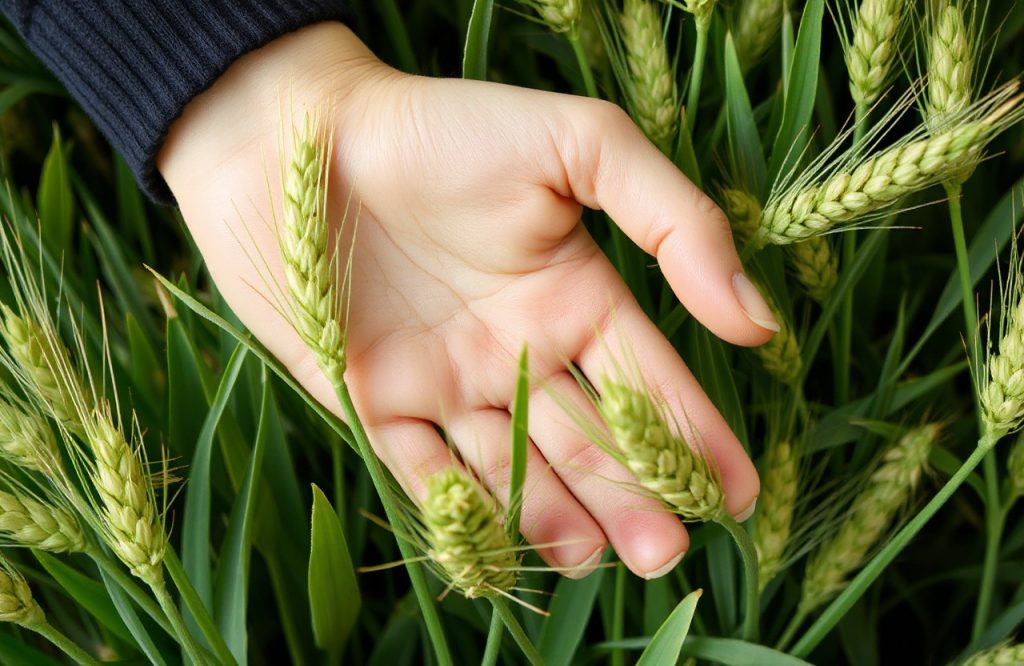
Wheatgrass (Triticum aestivum L.) has garnered attention for its potential antioxidant, antiatherogenic, anticancer, and immunosuppressive effects. Despite this interest, the efficacy of these properties has not been confirmed through human trials.
Details of the Study
Published in the Journal of Dietary Supplements, the study examined the effects of wheatgrass supplementation on atherosclerosis-associated lipoproteins, inflammation markers, and menopausal symptoms in South Asian women with hyperlipidemia. A total of 59 participants with elevated lipid levels were randomly assigned to two groups: an intervention group receiving 3.5 grams of powdered wheatgrass daily for 10 weeks and a control group that did not receive any intervention.
Participant Criteria
All participants had total cholesterol levels exceeding 200 mg/dL and/or triacylglycerol levels above 150 mg/dL. The group included premenopausal, perimenopausal, postmenopausal women, and those who had undergone hysterectomies. The study measured levels of low-density lipoprotein (LDL), HDL, very-low-density lipoprotein (VLDL), total cholesterol, and the apolipoproteins Apo A and Apo B before and after the intervention. Additionally, C-reactive protein, fasting blood sugar, and hemoglobin levels were assessed.
Study Results
The findings revealed that wheatgrass supplementation resulted in a 5.4% reduction in total cholesterol, a 4.4% reduction in LDL, and a 9.5% decrease in triacylglycerol. Apo A levels decreased by 18.8%, while HDL levels were reduced by 6%. Comparisons between the experimental and control groups showed that the experimental group had significantly lower systolic and diastolic blood pressure, total cholesterol, triacylglycerol, and Apo B levels, although HDL levels remained similar between the two groups.
Menopausal Symptoms and Limitations
Wheatgrass was noted to reduce vasomotor symptoms related to menopause, such as night sweats and hot flashes, but these results were not statistically significant. Somatic symptoms, including dizziness and joint pain, decreased by 33%, and psychological symptoms like depression and anxiety decreased by 50%. However, urogenital symptoms showed no change.
One limitation of the study is the potential for bias, as the control group did not receive a placebo that resembled the wheatgrass supplement. Additionally, physical activity levels were not tracked, which might have influenced the findings regarding Apo A levels.
Conclusion
In conclusion, while wheatgrass treatment was effective in reducing markers associated with atherosclerosis, such as total cholesterol, Apo B, and triacylglycerol, the changes in menopausal symptoms were not statistically significant. Further research is needed to examine the effects of wheatgrass on Apo A and HDL levels more comprehensively.
Written By: Usha B. Nair, Ph.D.