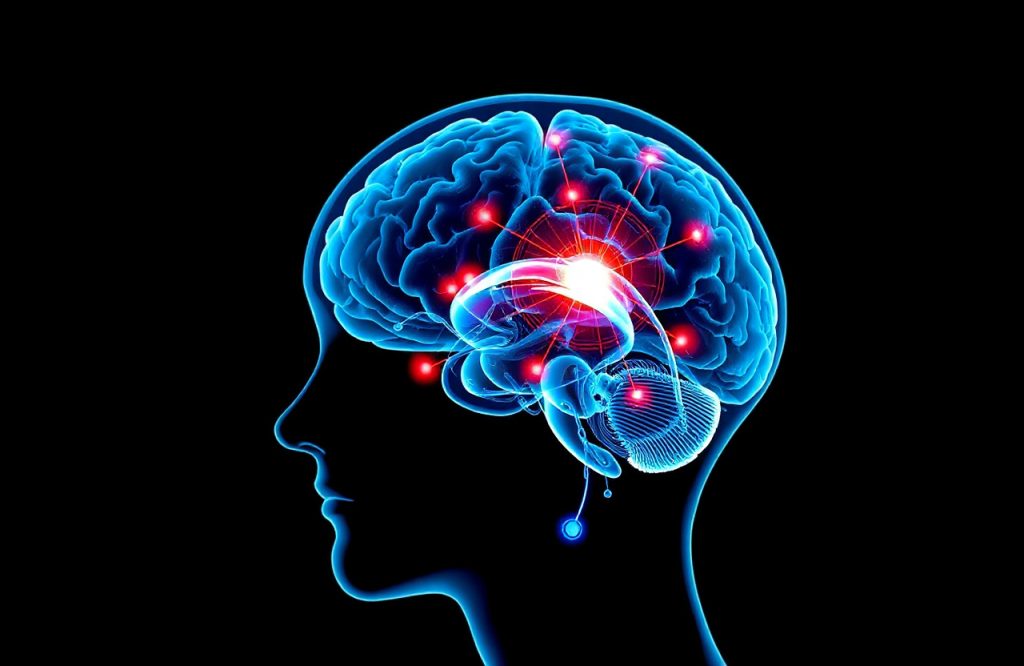
Deep Brain Stimulation for Multiple Sclerosis Tremors
Introduction to Deep Brain Stimulation
Deep brain stimulation (DBS) targeting the thalamus is a recognized intervention for managing tremors associated with Parkinson’s disease. However, the effectiveness of DBS for tremors linked to multiple sclerosis (MS) remains uncertain.
Impact of Multiple Sclerosis
Multiple sclerosis is a neurological condition that disrupts myelin, the protective sheath around nerve cells in the brain and spinal cord. This demyelination interferes with communication between nerve cells, resulting in a variety of symptoms, including physical, mental, and psychiatric issues. Tremors, prevalent in 25% to 50% of MS patients, predominantly affect the arms and can severely impair the quality of life. These tremors are often resistant to medication, with about 10% of patients becoming incapacitated by them.
Overview of Deep Brain Stimulation
Developed in 1987, DBS is a neurosurgical technique designed to treat movement disorders and neuropsychiatric conditions. The procedure involves implanting a neurostimulator that delivers electrical impulses to specific brain regions. While DBS has proven effective for Parkinson’s disease tremors, its success in treating tremors related to multiple sclerosis is not as well established. Among the thalamic nuclei, the ventral intermediate nucleus (VIM) has shown the most promise for Parkinson’s tremor treatment. However, in multiple sclerosis cases, initial improvements may diminish over time, leading to a return or worsening of tremors.
Research Study on DBS for MS Tremors
To investigate the efficacy of DBS for severe, drug-resistant tremors in multiple sclerosis, researchers led by Oliveria conducted a randomized pilot trial at the University of Florida Center for Movement Disorders and Neurorestoration. Their findings were published in Lancet Neurology. The study involved twelve adult patients diagnosed with multiple sclerosis.
Methodology of the Study
Participants received continuous DBS targeting either the VIM or the ventralis oralis (VO) thalamic nuclei for a duration of three months. Tremor severity was measured using the Tolosa-Fahn-Marin Tremor Rating Scale (TRS) at the end of this period. Subsequently, all patients underwent continuous DBS of both the VIM and VO for an additional three months. Follow-up assessments were conducted at the six-month mark to evaluate changes in TRS scores.
Results and Conclusions
The analysis revealed a significant reduction in the average TRS score from baseline to the six-month follow-up, indicating that DBS of both the VIM and VO could be a safe and effective treatment for tremors in multiple sclerosis patients. The researchers emphasized that further studies are necessary to validate these findings and explore the potential of DBS in treating tremors associated with other conditions.
Reference
Oliveria, S.F. et al. (2017). Safety and efficacy of dual-lead thalamic deep brain stimulation for patients with treatment-refractory multiple sclerosis tremor: a single-centre, randomized, single-blind pilot trial. Lancet Neurol.