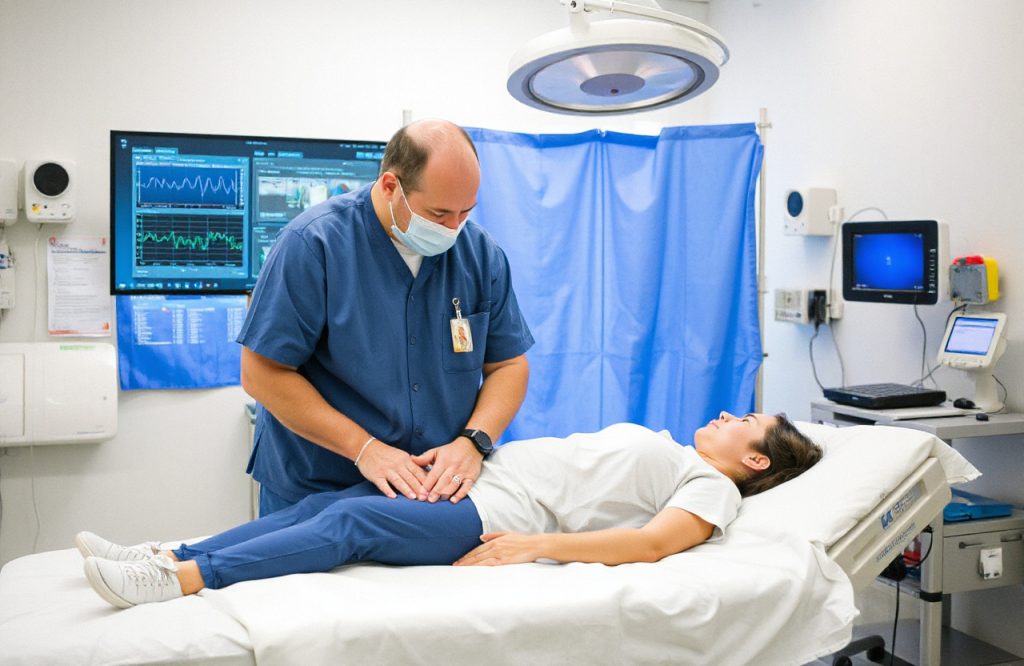
Understanding Fainting and Its Implications in Emergency Care
Definition and Causes of Fainting
Fainting, also known as syncope, is a frequent reason for patient visits to hospital emergency departments. It is characterized by a sudden loss of consciousness due to a temporary reduction in blood flow to the brain, typically followed by a full recovery. The causes of fainting can vary widely, ranging from benign conditions to serious, life-threatening issues such as arrhythmias, internal bleeding, or blood clots.
Gap in Diagnosis of Serious Conditions
Research indicates that nearly half of the serious causes of fainting may be overlooked during a patient’s emergency department visit, with these conditions only being identified after discharge. This concern prompted Canadian researchers to investigate the optimal monitoring duration for patients who faint in emergency settings.
Research Findings on Monitoring Duration
Study Overview
The findings were published in the journal *Circulation*. This prospective observational study was conducted across six large emergency departments in Canada and involved adult patients aged 16 years and older who presented within 24 hours of a fainting episode. The researchers analyzed the timing of serious arrhythmic events in relation to patient arrival, utilizing the Canadian Syncope Risk Score (CSRS) to classify risk levels as low, medium, or high.
Outcomes and Data Collection
Data regarding serious outcomes occurring within 30 days post-fainting were collected, focusing on both arrhythmic and non-arrhythmic events. These outcomes included arrhythmias, heart attacks, heart disease, lung clots, and internal brain bleeds. The study comprised 5,581 patients, with a median interval of 1.1 hours between their fainting episodes and their emergency department arrival.
Key Results
The results revealed that 7.5% of patients experienced a serious outcome within 30 days of their emergency visit, with 3.7% categorized as arrhythmic. Notably, the risk of serious outcomes increased significantly with a higher CSRS risk score. Most subjects were identified as low-risk, with few experiencing serious arrhythmic events, particularly after 2 hours of monitoring. In contrast, approximately half of serious arrhythmic outcomes in medium and high-risk patients were detected within 6 hours of arrival, although some high-risk patients did experience arrhythmic events after this time frame.
Recommendations for Emergency Monitoring
Optimal Monitoring Duration
The study concludes that the recommended monitoring duration for low-risk patients is 2 hours, while medium and high-risk patients should be monitored for at least 6 hours. Furthermore, it suggests that specific medium and high-risk patients may benefit from continued monitoring post-discharge or even brief hospitalization.
Implications for Patient Care
These recommendations aim to strike a balance between excessive monitoring and the timely detection of serious arrhythmic conditions. The researchers believe that their findings can enhance decision-making regarding patient care in emergency departments.
References
Thiruganasambandamoorthy, V., Rowe, B. H., Sivilotti, M. L., Mcrae, A. D., Arcot, K., Nemnom, M., . . . Taljaard, M. (2019). Duration of Electrocardiographic Monitoring of Emergency Department Patients with Syncope. *Circulation*. doi:10.1161/circulationaha.118.036088
Buchanan, A. (2019, January 21). How long do people need to be monitored after fainting? Retrieved January 28, 2019, from https://www.eurekalert.org/pub_releases/2019-01/toh-hld011719.php