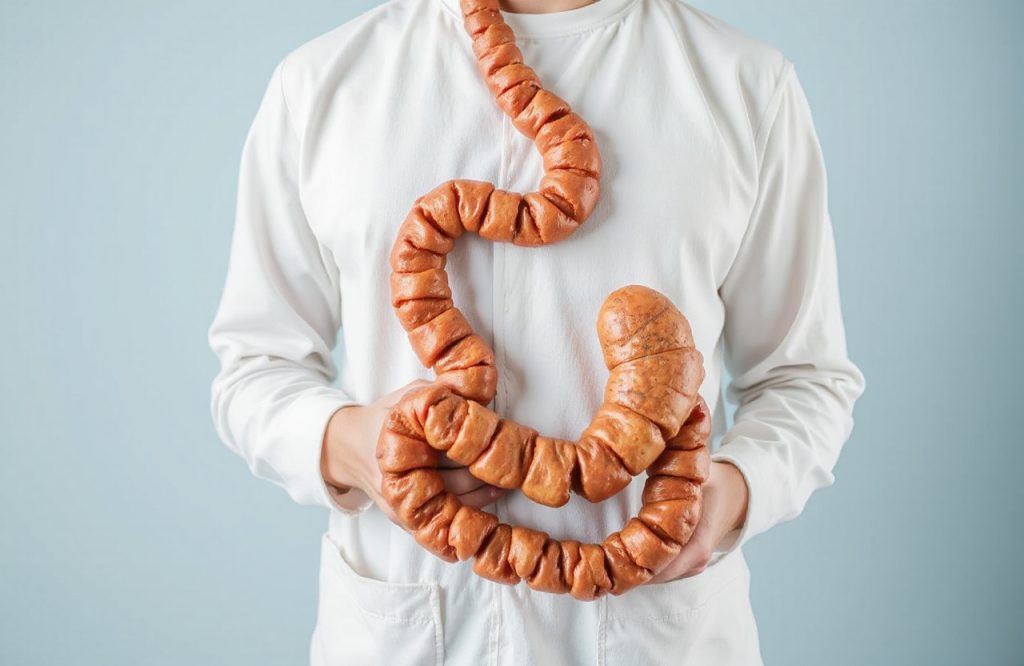
Study Links Meat Intake to Ulcerative Colitis Flares
Research Overview
A recent study indicates that regular consumption of meat may be associated with an elevated risk of flares in ulcerative colitis. The research highlights that higher levels of a routine stool test marker, which indicates gut inflammation, correlate strongly with an increased likelihood of inflammatory bowel disease (IBD) flare-ups, even in individuals who are currently symptom-free.
Predictive Value of Stool Test Markers
The study reveals that elevated levels of this inflammatory marker can predict both symptom-based and clinically confirmed IBD flares up to two years in advance. This underscores its potential as a valuable early warning tool for patients.
Dietary Factors and Ulcerative Colitis
Additionally, the findings suggest a connection between dietary meat intake and a heightened risk of ulcerative colitis flares. However, this association was not observed in patients with Crohn’s disease. Interestingly, other dietary components did not show a consistent link to flare risk, challenging some prevalent beliefs regarding diet and IBD.
Understanding Inflammatory Bowel Disease
Definition and Prevalence
Inflammatory bowel disease (IBD) encompasses a range of chronic conditions characterized by inflammation of the gastrointestinal tract, primarily including Crohn’s disease and ulcerative colitis. The incidence of IBD is on the rise, with current estimates indicating it affects between 2.4 and 3.1 million individuals in the United States.
IBD Flare Dynamics
An IBD flare is defined by the emergence of symptoms due to active bowel inflammation. However, it is important to note that patients may experience increased symptoms without active inflammation, resulting in unpredictable cycles of remission and debilitating flare-ups.
The Role of Diet in IBD Management
Complex Relationship
Research exploring the impact of diet on IBD flares is intricate, and robust evidence linking specific dietary patterns to flare risk has been limited. Stool tests, often utilized in diagnosing IBD, provide a noninvasive method to measure a protein called calprotectin, which indicates gut inflammation and helps differentiate between inflammatory and non-inflammatory conditions.
Combining Stool Tests with Dietary Insights
The new study, published in the journal Gut, proposes that integrating stool tests with dietary information could enhance the ability to predict disease flares months before symptoms manifest. Conducted by researchers at the University of Edinburgh’s Institute of Genetics and Cancer, these findings offer valuable insights into how biomarkers and lifestyle choices could be used to tailor IBD care to individual patients.