Link Between Dietary Habits and Rheumatoid Arthritis Risk
Understanding Rheumatoid Arthritis
Rheumatoid arthritis (RA) is a chronic condition characterized by the immune system attacking the joints, resulting in inflammation. This inflammation can lead to the deterioration of cartilage, causing joints to become loose, unstable, and painful. Commonly affected areas include the hands, feet, wrists, elbows, knees, and ankles, but RA can also impact the heart and lungs.
Diet’s Role in Rheumatoid Arthritis Development
Despite mixed findings in previous research, recent studies suggest that dietary habits may influence the risk of developing rheumatoid arthritis. A study published in *Clinical Rheumatology* aimed to determine the relationship between specific diets and the onset of RA.
Study Overview
The research involved 1,000 participants, consisting of 500 individuals with RA and 500 without, recruited from three clinics at the University of Medical Sciences in Iran. A survey was conducted to assess the participants’ dietary habits, focusing on their consumption of various beverages and food items categorized as nutritious and non-nutritious. Key items included green tea, coffee, fruits, vegetables, full-fat milk, and fried foods.
Findings on Dietary Habits
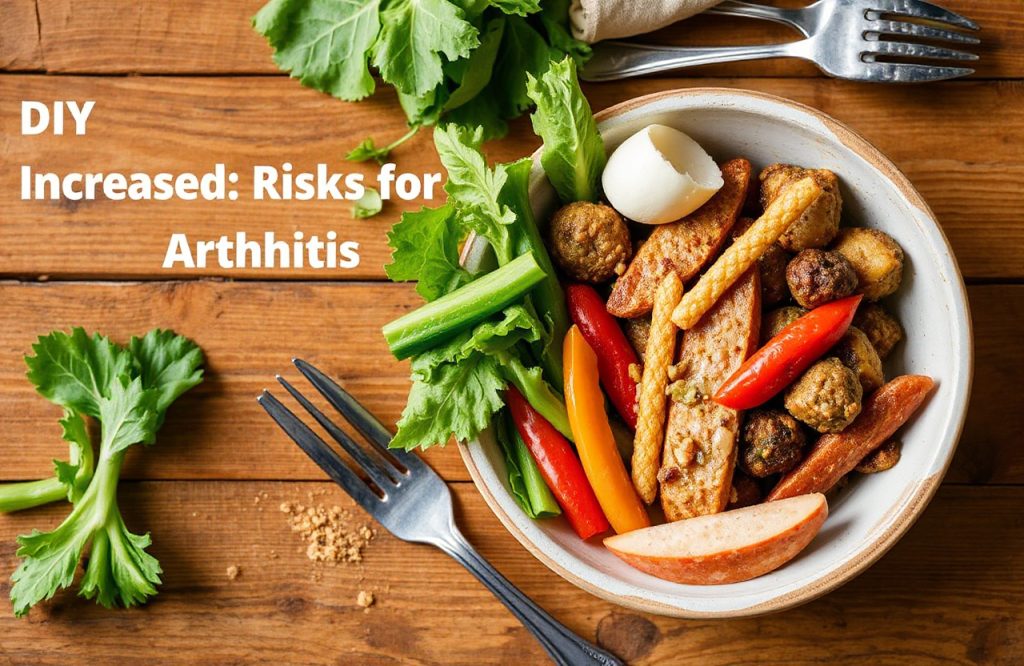
Results indicated that individuals without rheumatoid arthritis tended to consume more green tea and coffee compared to those with the condition. Notably, about 64% of RA participants reported drinking soda, in contrast to 59% of healthy participants. Furthermore, significant differences were observed in the intake of non-nutritious foods: those with RA consumed higher amounts of full-fat milk, fried foods, butter, saturated oils, and spicy foods. However, both groups did not exhibit differences in their consumption of nutritious foods.
High-Fat Intake and RA Risk
Additional data analysis revealed that consuming eight or more cups of coffee or green tea per month was linked to a lower risk of developing RA. Conversely, a higher intake of full-fat milk and solid oils was associated with an increased risk of the disease.
Biological Mechanisms Behind Dietary Effects
Current explanations for these dietary associations focus on the chemical and biological properties of the foods involved. Research indicates that coffee contains compounds that can detoxify cellular components, repair damaged DNA, and inhibit malignant cell transformation. In contrast, high-fat diets, such as those including full-fat milk, may provoke immune responses by allowing endotoxins to enter the bloodstream, subsequently increasing inflammation. Green tea, similar to coffee, acts as an antioxidant, helping to mitigate inflammation and reduce DNA damage.
Implications for Future Research
These findings suggest that dietary modifications could play a crucial role in preventing the development of rheumatoid arthritis. Future studies should explore specific dietary patterns that could reduce inflammation, aid in the treatment of RA, and strengthen the causal link between diet and the onset of rheumatoid arthritis.
References
Rambod M, Nazarinia M, Raieskarimian F. The impact of dietary habits on the pathogenesis of rheumatoid arthritis: A case-control study. *Clinical Rheumatology*, 2018;1-6. https://doi.org/10.1007/s10067-018-4151-x
What is Rheumatoid Arthritis? Arthritis Foundation. Updated October 15, 2021. https://www.arthritis.org/diseases/rheumatoid-arthritis
Related Articles
Study investigates diet and rheumatoid arthritis
Obesity and Rheumatoid Arthritis