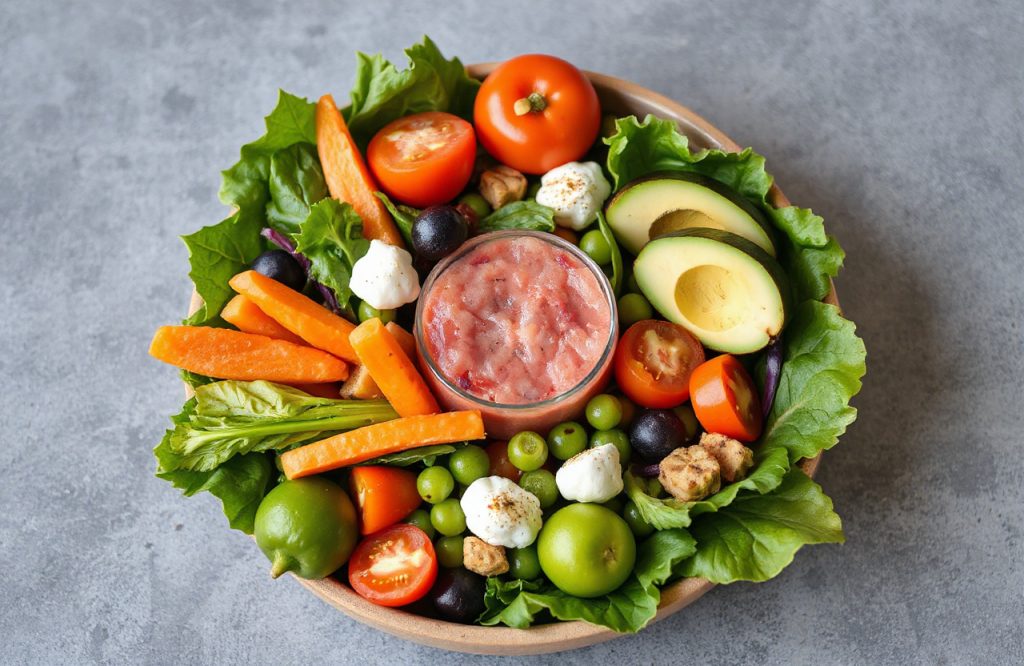
Impact of Plant-Based Diets on Mortality: A Recent Study
Growing Popularity of Plant-Based Diets
A recent study published in the Journal of Nutrition explored the effects of a plant-based diet on mortality rates. As more young individuals adopt these diets, it necessitates further investigation into their health implications. People choose plant-based diets for various reasons, including health benefits, environmental concerns, ethical considerations, and religious beliefs.
Health Implications of Plant-Based Foods
Research indicates that plant foods are generally considered healthier compared to red meat, which is linked to an increased risk of cardiovascular diseases. A recent study found that replacing meat with plant-based foods while maintaining the same caloric intake was associated with a decrease in mortality rates. However, the complete replacement of all meat with vegetables may yield different outcomes, and global reports on the mortality benefits of plant-based diets remain mixed.
Study from Johns Hopkins Bloomberg School of Public Health
Researchers at the Johns Hopkins Bloomberg School of Public Health investigated the impact of a fully vegetarian diet on mortality, utilizing long-term survey data that was published in the Journal of Nutrition.
The Healthy Plant-Based Diet Index
Survey Methodology
This study utilized data from the Third National Health and Nutrition Examination Survey conducted in the United States, which involved over 11,000 participants. To assess the degree of vegetarianism among respondents, the researchers developed a Healthy Plant-Based Diet Index. This index assigns scores based on dietary habits, offering a less biased method to quantify the proportion of plant-based foods in an individual’s diet, acknowledging that many vegetarian studies often favor health-conscious participants. In this index, only healthy plant foods received positive scores, while less nutritious vegetables and meats received negative scores.
Demographic Characteristics of Participants
Based on the Healthy Plant-Based Diet Index, participants with higher scores, indicating a greater consumption of healthy plant foods, were more frequently female, white, older, and married. Additionally, these individuals tended to possess higher educational levels, engage in more physical activity, and were less likely to smoke. The top 10% of participants, ranked by their scores, consumed more essential nutrients such as fiber and vitamin C, while consuming lower amounts of unhealthy components like sodium, fats, and cholesterol.
Findings on Mortality Risks
Long-term Health Outcomes
The research team recorded 2,228 deaths during a follow-up period of approximately 19 years. They analyzed data based on the Healthy Plant-Based Diet Index and found that among individuals scoring above the median, a 10-point increase in their index score was significantly associated with a lower risk of mortality.
Conclusions and Future Research
This study highlights the correlation between a plant-based diet and a reduced risk of mortality among individuals with a Healthy Plant-Based Diet Index score above the median. The findings suggest that the index can reflect health benefits and that increasing the intake of healthy plant foods may contribute to lower mortality rates. While the results support the health advantages of plant-based diets, further large-scale studies are essential to deepen our understanding of their benefits.
Reference
Kim H, Caulfield LE, Rebholz CM. Healthy Plant-Based Diets Are Associated with Lower Risk of All-Cause Mortality in US Adults. The Journal of Nutrition. 2018 Apr 1;148(4):624-31.