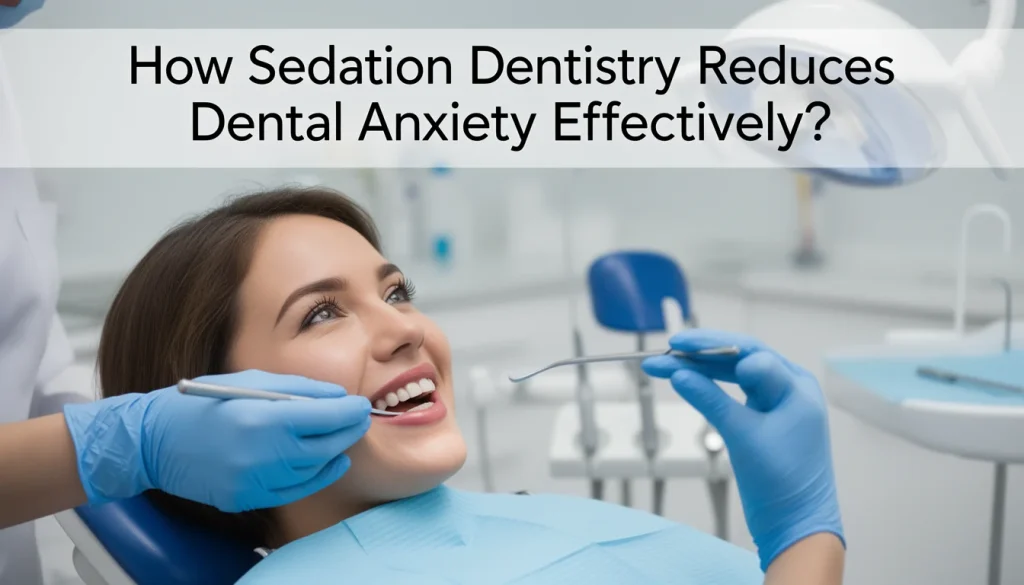
Introduction: How Sedation Dentistry Helps Patients Stay Calm
Many people avoid dental care because of fear or anxiety. Sedation dentistry creates an environment in which patients feel calm and relaxed throughout treatment, reducing fear and discomfort so dental professionals can work more effectively. For example, people seeking a dentist in Tucson often choose sedation for long or complex procedures. Sedation options include a pill taken by mouth, nitrous oxide (laughing gas), or IV sedation, and the choice depends on the patient’s needs and the complexity of the treatment. By making appointments less stressful, sedation dentistry helps patients attend regular visits and maintain better oral health.
How Sedation Calms the Nervous System
Physical responses to dental anxiety
Anxiety before dental visits produces clear physical reactions: the heart may race, muscles can become tense, and breathing often becomes shallow. These responses intensify feelings of worry and can make it difficult for patients to relax enough to receive care.
What sedation does for the body and mind
Sedation helps the body move from a heightened state of arousal toward a calmer state. As muscles relax and breathing steadies, mental anxiety typically decreases. When the body is quieter, the mind is better able to tolerate treatment without focusing on fear. This reciprocal relationship — a calmer body leading to a calmer mind — is a central benefit of sedation dentistry.
Key points:
– Anxiety can accelerate the heart rate and cause muscle tension.
– Sedation reduces physiological arousal and promotes relaxation.
– A calmer body supports a calmer mental state, easing fear of treatment.
Reducing Sensory Triggers That Increase Anxiety
Sensory factors that provoke fear
Sounds, smells, bright lights, and the tactile sensations of dental tools or tastes of dental products can trigger or intensify dental anxiety. For many patients these sensory inputs are enough to cause them to avoid dental care altogether.
How sedation changes sensory perception
Sedation reduces a patient’s awareness of these sensory triggers. When sensitivity to sound, movement, and light is diminished, the dental environment feels less invasive and more manageable. This sensory dampening makes appointments more comfortable for patients and allows dental professionals to perform procedures with fewer interruptions. Over time, this improved experience can help patients build confidence and return for routine care.
Addressing Fear Rooted in Past Experiences
Fear that stems from earlier dental visits
Many patients who avoid dental care do so because of a previous unpleasant or painful experience, even if that experience occurred years earlier. These memories can create anticipatory anxiety that complicates future care.
Creating positive, trust-building experiences
Sedation dentistry helps patients have calmer, more comfortable appointments, which makes it easier for dental teams to complete treatment successfully. Positive, low-stress experiences help reduce the emotional weight of past events. As patients repeatedly undergo comfortable visits, their trust in the dental team grows and their fear gradually diminishes. This change in perception makes future appointments less intimidating and supports better long-term oral health.
Improving Comfort and Efficiency During Treatment
How anxiety affects pain perception and movement
When patients are tense or anxious, even minor procedures can feel more painful, and it can be difficult for them to remain still. This can lengthen appointments and make treatment more difficult for both the patient and the dental team.
Sedation’s practical benefits for patients and clinicians
Sedation promotes muscle relaxation and decreases the perception of discomfort, making procedures feel easier for patients. That relaxed state helps clinicians work more efficiently and accurately, reducing the time needed for complex or lengthy procedures. For patients, longer visits become less exhausting and stressful, and for clinicians, the likelihood of interruptions or sudden movement is lower. Overall, sedation improves comfort, safety, and procedural flow.
Key points:
– Anxiety can heighten pain perception and make it hard to stay still.
– Sedation reduces discomfort and promotes relaxation of muscles.
– Treatments proceed more smoothly and efficiently under sedation.
Encouraging Regular Dental Care and Better Oral Health
Why regular visits matter
Routine dental checkups are essential for preventing cavities, gum disease, and other oral health problems. When patients skip appointments because of fear, minor issues can progress into more complex conditions that require extensive treatment.
Sedation’s role in promoting consistent care
By reducing fear and making appointments tolerable, sedation dentistry encourages patients to keep up with regular visits. When patients feel safe and comfortable in the dental chair, they are more likely to follow through with necessary care, routine cleanings, and recommended follow-up treatments. This consistent engagement with dental care supports healthier teeth and gums over time and reduces the likelihood of more invasive interventions later.
Conclusion: Sedation Dentistry Makes Dental Care More Accessible
Sedation dentistry provides a range of options — including oral medication, nitrous oxide, and IV sedation — that help people who are anxious about dental care feel calmer and safer during treatment. By calming the nervous system, reducing awareness of sensory triggers, repairing trust damaged by past experiences, and improving comfort during procedures, sedation helps patients attend regular appointments and maintain better oral health. For many, these benefits translate into less fear, greater confidence in dental treatments, and a higher likelihood of preventive care. If anxiety keeps you from getting dental treatment, discussing sedation options with a dental professional can be an important step toward a healthier, more comfortable dental experience. medichelpline