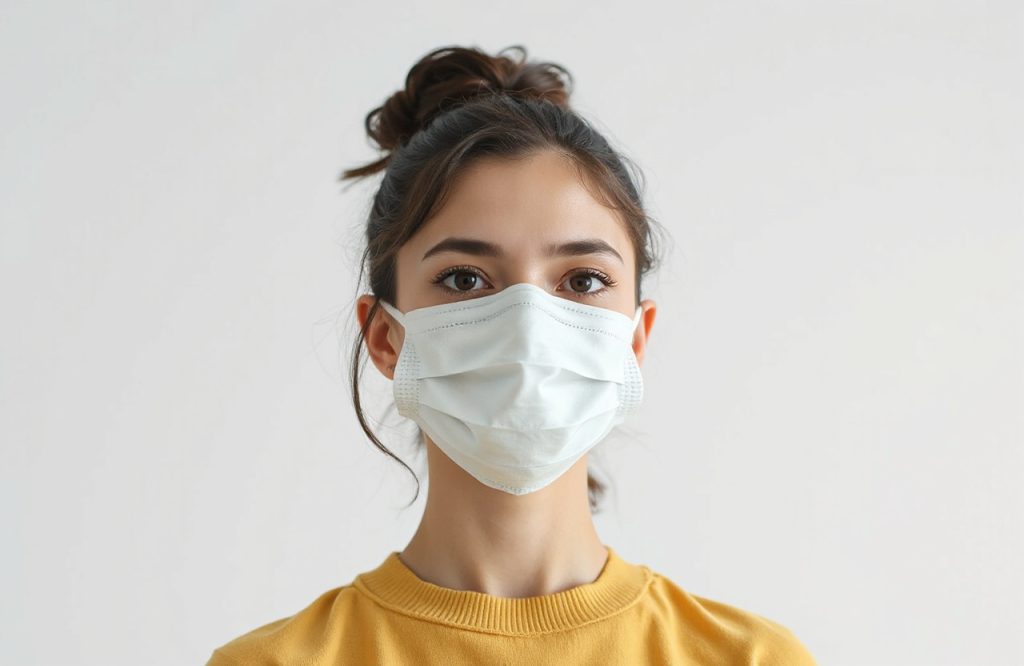
Impact of Mask Wearing on COVID-19 Severity
Research Findings from the National Institutes of Health
A research group from the National Institutes of Health in Bethesda, Maryland, explored the effects of wearing masks on the severity of COVID-19. Their findings indicate that wearing masks provides benefits even after an individual has contracted the virus. Besides lowering the likelihood of virus transmission, masks may enhance immune system functionality.
Recommended Preventive Measures
Health authorities have outlined several strategies to mitigate the spread of COVID-19. Key measures include maintaining physical distance, practicing regular hand hygiene, and limiting outings to essential activities. Among these, wearing a facemask has emerged as an effective method to minimize person-to-person transmission, particularly in settings where maintaining distance is challenging.
Additional Benefits of Mask Wearing
Recent research suggests that masks offer more than just a barrier against COVID-19 transmission. They may also alleviate the severity of the illness post-infection. COVID-19, like many respiratory diseases, spreads through respiratory droplets produced by actions such as coughing, sneezing, and breathing. Various types of masks, including cotton, disposable, and surgical, can significantly reduce the transmission of these droplets.
The Role of Humidity in Respiratory Health
The seasonality of respiratory illnesses often correlates with shifts in humidity levels. Low humidity, indoors and outdoors, decreases moisture in the respiratory tract, potentially impacting immune response. Masks can help absorb moisture, thereby increasing the humidity inhaled by the wearer. This hydration is known to benefit the immune system. For instance, wearing a double-layered cotton mask can elevate the humidity level beyond 100%, potentially providing benefits even after infection.
Implications Beyond COVID-19
The insights gained from this study extend beyond the COVID-19 pandemic and may also apply to other respiratory illnesses. The colder months typically bring about lower humidity levels, contributing to the prevalence of seasonal colds and other respiratory conditions. Masks can reduce evaporation within the respiratory tract, potentially lessening the severity of these ailments.
Practical Advice for Individuals
Individuals experiencing cold symptoms should consider wearing masks, not only to prevent spreading the virus in public but also to mitigate the severity of their symptoms. With masks readily available, this presents an opportune moment to deepen our understanding of their benefits.
Source
Courtney and Bax, Hydrating the respiratory tract: an alternative explanation why masks lower severity of COVID-19, Biophysical Journal (2021), https://doi.org/10.1016/j.bpj.2021.02.002.
Image by Engin Akyurt from Pixabay.