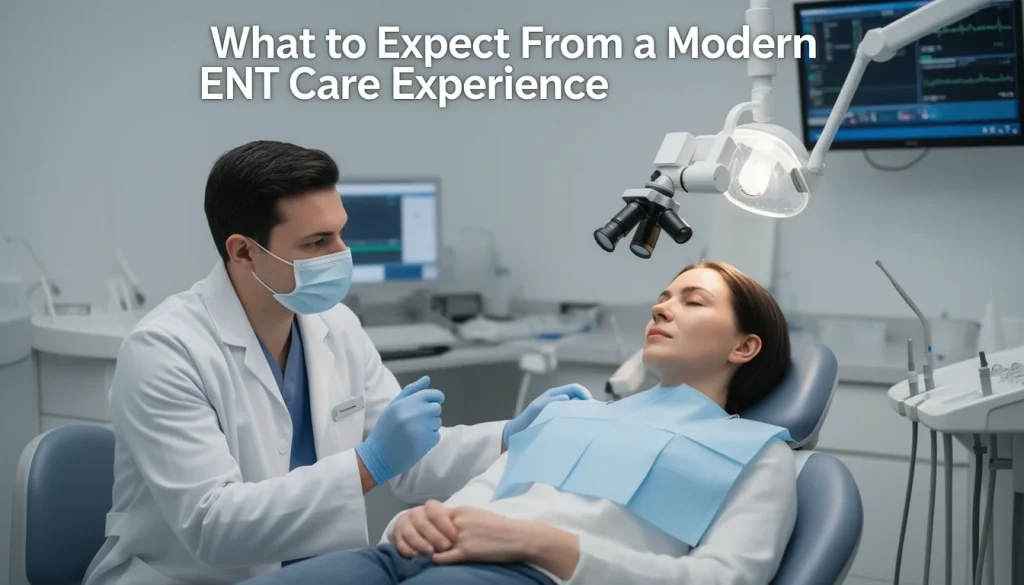
What to Expect From a Modern ENT Care Experience
Overview: A patient-centered evolution in ENT care
Over recent years, the way people access ear, nose, and throat (ENT) care has shifted toward greater convenience, comfort, and clarity. Modern otolaryngology practices emphasize streamlined access, clearer communication, and targeted diagnostics so patients move through the care pathway more efficiently. This article outlines the typical components of a contemporary ENT visit and what patients can reasonably expect at each step.
Appointment scheduling and the initial consultation
Scheduling is often the first sign of a modernized experience. Many clinics now offer online booking and flexible appointment times, which helps reduce wait times and allows patients to select visits that fit their schedules. At the initial consultation, clinicians prioritize listening to the patient’s concerns and taking a comprehensive health history. This intake period focuses on open, respectful dialogue that builds rapport and forms the basis for accurate assessment and shared decision-making.
Use of advanced diagnostic tools
Contemporary ENT practices frequently use high-resolution diagnostic equipment to clarify causes of symptoms. Examples of technology commonly used include video endoscopy to visualize nasal and throat anatomy, digital audiology tools for hearing assessment, and high-resolution imaging where appropriate. These instruments support precise examinations and help clinicians develop a clear diagnosis, which in turn informs appropriate treatment choices.
Developing personalized treatment plans
Rather than applying a single approach to every patient, modern care emphasizes individualized plans that reflect a person’s health history, lifestyle, and preferences. Treatment options may range from medical therapies to minor office procedures or surgical solutions. Clinicians discuss the available options, expected benefits, and potential trade-offs so patients can make informed choices aligned with their goals. This collaborative planning helps ensure that the selected intervention matches the patient’s needs.
Prioritizing patient comfort during care
Comfort is a central feature of contemporary ENT visits. Clinicians and staff employ gentle examination techniques and clear, empathetic communication to reduce anxiety. Waiting areas and clinic workflows are often designed to be calming and efficient, and staff remain attentive to individual needs throughout the visit. The aim is to make patients feel respected, safe, and well supported from check-in through discharge.
Clear patient education and ongoing support
Effective communication is foundational to quality ENT care. Providers explain diagnoses, recommended treatments, and expected outcomes in straightforward language so patients understand their condition and the rationale for proposed interventions. This transparency empowers patients to participate in decisions about their care. Clinics also provide resources and opportunities for patients to ask questions and request clarification before and after treatment.
Minimally invasive procedures and recovery
Many ENT interventions today favor minimally invasive techniques when clinically appropriate. These approaches typically involve smaller incisions or specialized instruments designed to limit tissue disruption, which can reduce pain and accelerate recovery. Clinicians will outline the likely course of recovery, benefits, and possible risks so patients have realistic expectations and can plan follow-up care accordingly.
Follow-up care and continuity
Continued support after treatment is an important part of the modern ENT pathway. Clinics routinely schedule follow-up appointments and make themselves available to address questions and monitor healing. Patient feedback during recovery informs any necessary adjustments to the care plan. This ongoing relationship reinforces trust and contributes to sustained health outcomes.
Integration of telemedicine and remote consultations
Telemedicine has become an integral option in contemporary ENT care. Virtual visits enable patients to consult with clinicians from home for symptom review, postoperative checks, or ongoing management when an in-person exam is not required. Remote visits are particularly useful for individuals with mobility challenges or busy schedules. Practices strive to ensure virtual consultations are thorough and offer a level of care consistent with in-person encounters when appropriate.
Emphasis on preventive strategies
Preventive health counseling is a key focus in modern ENT practice. Clinicians provide guidance on measures that reduce recurrence of problems, such as allergy management, hearing protection, and lifestyle choices that support overall ear, nose, and throat health. Preventive strategies aim to minimize future symptoms, support long-term well-being, and reduce the need for more intensive interventions.
Compassion, respect, and patient rights
Respectful, compassionate service underpins every interaction in a high-quality ENT clinic. Staff greet patients warmly, answer questions thoroughly, and uphold patients’ rights and dignity at each step. This respectful environment encourages open communication and helps patients seek care promptly when concerns arise.
Conclusion: What patients can expect
A modern ENT care experience combines technological capability with personalized attention, transparent communication, and ongoing support. Patients can expect efficient scheduling, focused diagnostic evaluation, individualized treatment planning, and follow-up care designed to promote recovery and long-term health. By emphasizing comfort, education, and prevention, contemporary practices aim to guide patients to better outcomes both physically and mentally.