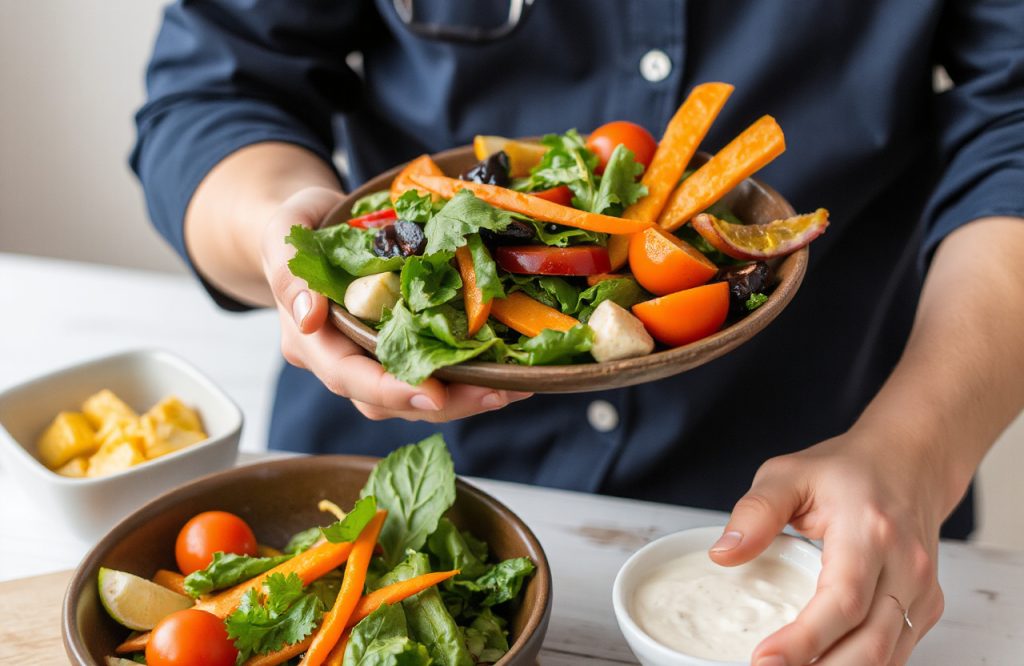
Study Examines Insulin Levels in Type 2 Diabetes Patients
Growing Diabetes Epidemic in the United States
A recent study focused on the impact of plant-based meals compared to meat-based meals on insulin levels in patients with type 2 diabetes. Currently, approximately 114 million individuals in the United States are either living with diabetes or are at risk of developing the condition. As this number continues to grow and the cost of insulin rises dramatically, exploring alternative treatments and preventive measures has become essential. Is our diet the key to addressing this issue?
The Link Between Diet and Type 2 Diabetes
Previous research has extensively analyzed the role of diet in the onset and progression of type 2 diabetes. Some findings suggest a correlation between high consumption of red and processed meats and an increased incidence of the disease. Specifically, individuals consuming processed meat are one-third more likely to develop diabetes compared to those who do not, while meat eaters have half the risk of developing diabetes compared to vegetarians. This raises the question: Are plant-based meals significantly more beneficial for patients with type 2 diabetes?
Research Methodology
Crossover Trial Overview
A randomized, crossover trial conducted in the Czech Republic involved 20 men diagnosed with type 2 diabetes. The study aimed to compare the effects of plant-based meals versus meat-based meals on insulin levels. The findings were recently published in the journal Nutrients.
Meal Composition
Participants were served either a meat-based burger or a tofu-based veggie burger, with both meals containing identical calorie counts and macronutrient ratios, including fats, proteins, and carbohydrates.
Key Findings
Increased Insulin Secretion
Results indicated that insulin secretion was significantly higher after consuming the plant-based meal compared to the meat-based option. Furthermore, researchers noted an increase in incretin hormones following the plant-based meal. These hormones play a crucial role in enhancing insulin release from pancreatic beta cells, which helps lower blood glucose levels.
Enhanced Beta-Cell Function
The study also revealed improved beta-cell function after participants consumed the plant-based meal. This finding is vital, as pancreatic beta cells are responsible for insulin synthesis, storage, and release. Individuals with diabetes often experience reduced beta-cell function, making the preservation of these cells critical for effective diabetes management.
Supporting Evidence from Previous Research
These results align with earlier studies demonstrating that a plant-based diet can improve insulin resistance and enhance beta-cell function in overweight adults over a 16-week period. Additional research has indicated that plant-based diets are effective in managing and even reversing type 2 diabetes. Notably, vegetarians exhibit half the risk of developing diabetes compared to non-vegetarians.
Conclusion
Given these encouraging findings and the support of previous research, incorporating plant-based meals may serve as a frontline strategy in both preventing and treating type 2 diabetes.
References
Kahleova H, Tura A, Klementova M, Thieme L, Haluzik M, Pavlovicova R, Hill M, Pelikanova T. A Plant-Based Meal Stimulates Incretin and Insulin Secretion More Than an Energy- and Macronutrient-Matched Standard Meal in Type 2 Diabetes: A Randomized Crossover Study. Nutrients. 2019 Feb 26;11(3). pii: E486. doi:10.3390/nu11030486.
Plant-based meals improve insulin and incretin secretion in those with type 2 diabetes. EurekAlert website https://www.eurekalert.org/pub_releases/2019-02/pcfr-pmi022719.php. Accessed March 21, 2019.
Related Topics
Can a plant-based diet help treat Crohn’s disease?
Four things to know before you go vegan
Vegan diets may be best for fullness and promotion of gut hormones
Does a Vegan Diet Lead to Bone Loss?
The Vegan Diet Rumour