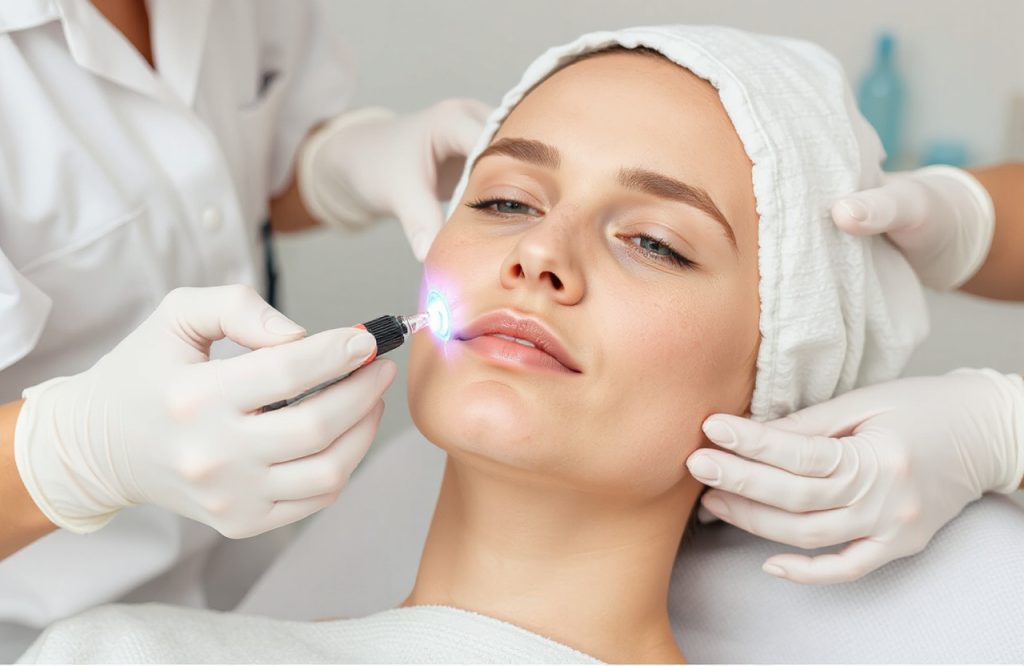
Rising Popularity of Acne Light Therapy
Overview of Acne
Acne is a widespread skin condition affecting nearly 95% of the population. This inflammatory disease is primarily triggered by hormonal fluctuations and immune system responses. While it is most prevalent during adolescence, its social and psychological ramifications can affect individuals at any age.
What is Acne Light Therapy?
Acne light therapy is gaining traction as a viable treatment option. This method often employs photodynamic therapy (PDT), which combines light with a topical drug that is activated by that specific light. The underlying principle is that the light penetrates the skin to target acne at its source. It is believed to eliminate the bacteria Propionibacterium acnes, thereby reducing inflammation and oil production.
The most frequently used light types in acne therapy are blue and red light, both part of the visible light spectrum. The primary distinction lies in their wavelengths: blue light has a shorter wavelength, while red light has a longer wavelength. The varying wavelengths influence how deeply the light penetrates the skin. Blue light is effective in killing P. acnes, while red light reaches deeper layers to alleviate inflammation and oil production.
Inconsistencies in Research
A recent study published in JAMA Dermatology examined 71 studies on acne light therapy, focusing particularly on methyl aminolevulinate-photodynamic therapy (MAL-PDT), which showed slightly more evidence of effectiveness than other methods. The researchers noted a significant gap in clinical evidence supporting alternative acne light therapies.
Out of the 71 studies reviewed for MAL-PDT, only five were methodologically similar enough to yield comparable results. These studies indicated a marginal benefit of combining MAL cream with red light on acne compared to placebo or no treatment at both six and twelve weeks. However, none of the observed changes were clinically significant.
The authors of the study criticized the scientific community for the inconsistencies in research methodologies, sample sizes, and evaluation metrics across various studies. They emphasized the need for longer follow-up periods to assess the long-term effects of acne light therapy and called for further investigation into the biological mechanisms underlying photodynamic therapy.
Conclusion: Current Recommendations
In conclusion, the current clinical evidence does not support acne light therapy as an effective treatment for acne. Based on their findings, the researchers do not recommend this therapy. However, this stance may evolve as the scientific community develops more standardized methodologies for studying this treatment.
References
(1) Posadzki, P., & Car, J. (2018). Light Therapies for Acne. JAMA Dermatology, 3–5. http://doi.org/10.1001/jamadermatol.2018.0110
(2) Pei, S., Inamadar, A. C., Adya, K. A., & Tsoukas, M. M. (2015). Light-based therapies in acne treatment. Indian Dermatology Online Journal, 6(3), 145–157. http://doi.org/10.4103/2229-5178.156379