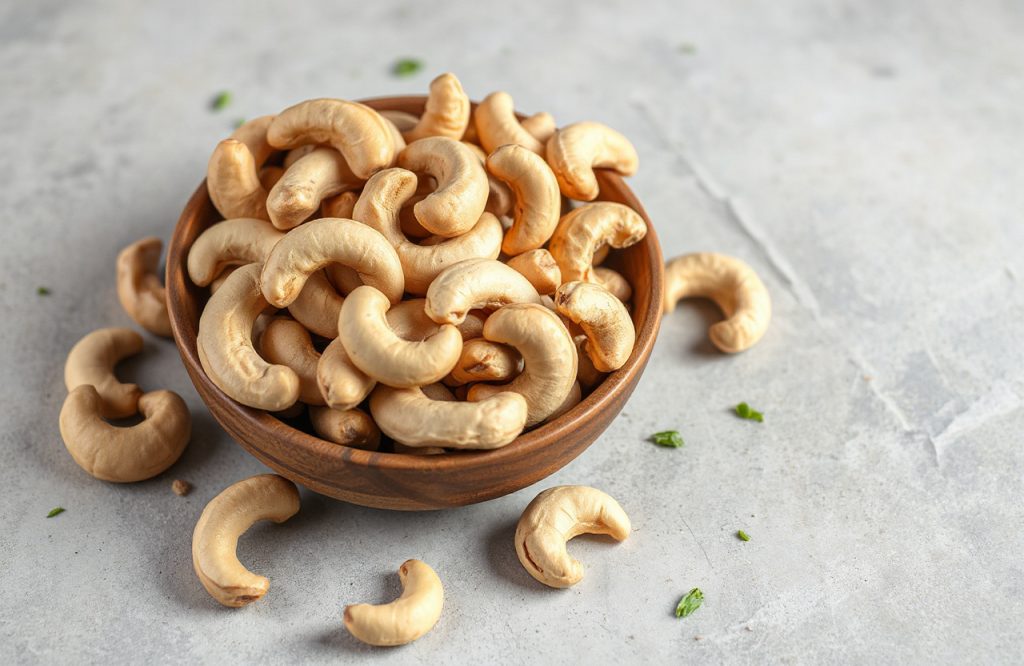
Cashews and Their Impact on Heart Health
Introduction
Did you know that cashews can positively influence heart health and cholesterol management? Recent research indicates that incorporating cashews into your diet may enhance cardiovascular well-being.
Highlights of the Study
– Cashews are abundant in heart-healthy fats.
– Regular intake can lower bad cholesterol (LDL) while boosting good cholesterol (HDL).
– Studies show that cashew consumption may assist in blood pressure regulation and reduce cardiovascular risks.
– Contrary to popular belief, eating cashews does not necessarily lead to weight gain.
– Research suggests that nut consumption may lower the risk of cardiovascular disease.
– Cashews contain significant amounts of monounsaturated and polyunsaturated fatty acids.
Effects on Cholesterol Levels
One study focused on how daily cashew consumption affects cholesterol levels. Results revealed that participants who included cashews in their diet experienced reductions in both total cholesterol and LDL cholesterol. In this study, cashews replaced a high-carbohydrate snack within a standard American diet.
Cardiovascular Disease Risk and Healthy Fats
Growing evidence suggests that substituting refined grains with healthy fats, such as those found in cashews and other nuts, can have positive effects on HDL cholesterol and overall heart health.
Research on Cashew Nuts and Cardiovascular Risk Factors
A study published in the Journal of Nutrition examined the effects of cashew nuts on cardiovascular risk factors, particularly in individuals with type 2 diabetes. The trial involved participants aged 30 to 65 years diagnosed with type 2 diabetes within the last decade.
Participants were divided into two groups: one received 30g of unsalted, raw cashew nuts daily for twelve weeks, while the control group maintained their standard diabetic diet without cashews. The intervention group consumed cashews as snacks, avoiding their use in cooking, and were instructed to replace caloric intake from carbohydrates with the calories from cashews.
Impact on Blood Pressure and Cholesterol Levels
The findings indicated that those in the cashew intervention group experienced a more significant decrease in systolic blood pressure and an increase in plasma HDL cholesterol compared to the control group. However, no notable differences were observed in body weight, body mass index (BMI), or other metabolic variables between the two groups.
Addressing Common Misconceptions
Interestingly, the increased caloric intake in the cashew group did not correspond with weight gain, BMI changes, or increased waist circumference. This finding challenges the common belief that nut consumption leads to weight gain due to their fat and calorie content. The results imply that moderate cashew intake can lower blood pressure and enhance HDL cholesterol levels without causing weight gain.
Researchers noted that results might differ with higher cashew consumption and recommended further studies to explore the relationship between nut intake and various heart health risk factors. They also called for more rigorous biochemical analyses to identify the mechanisms behind these outcomes.
Conclusion
Current research suggests that moderate consumption of cashew nuts can be a beneficial addition to a healthy diet for improving heart health.
References
Mah E, Schulz JA, Kaden VN, Lawless AL, Rotor J, Mantilla LB, Liska DJ. Cashew consumption reduces total and LDL cholesterol: a randomized, crossover, controlled-feeding trial. Am J Clin Nutr. 2017 May;105(5):1070-1078. doi: 10.3945/ajcn.116.150037. Epub 2017 Mar 29. PMID: 28356271.
Mohan, V., Gayathri, R., Jaacks, L. M., Lakshmipriya, N., Anjana, R. M., Spiegelman, D., … & Gopinath, V. (2018). Cashew Nut Consumption Increases HDL Cholesterol and Reduces Systolic Blood Pressure in Asian Indians with Type 2 Diabetes: A 12-Week Randomized Controlled Trial. The Journal of Nutrition, 148(1), 63-69.