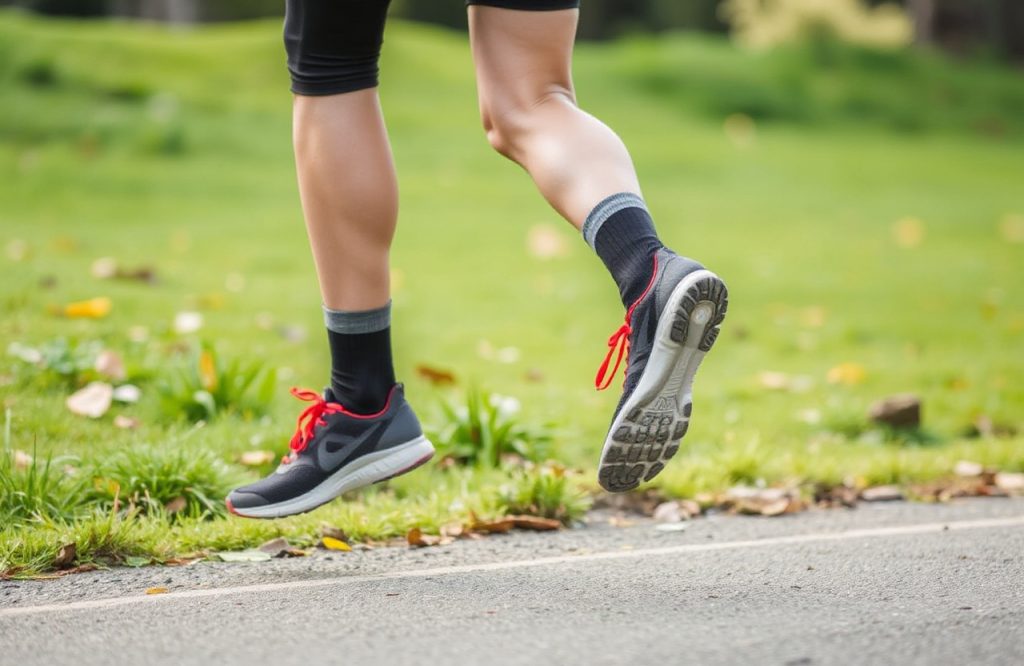
Enhancing Your Running Experience with Compression Socks
The Importance of Comfort in Running
Running is a widely embraced form of exercise, offering a plethora of health benefits. Whether you are an experienced marathon runner or prefer casual jogs in your neighborhood, prioritizing your comfort and well-being is crucial during your runs. One effective way to elevate your running experience is by wearing compression socks. This article delves into the medical advantages of compression socks for runners, highlighting benefits from improved circulation to reduced muscle soreness.
1. Enhanced Blood Circulation
Compression socks are crafted to apply gentle pressure to the lower legs, ankles, and feet. Utilizing graduated compression technology, these socks significantly enhance blood circulation. By compressing the veins, they facilitate improved blood flow back to the heart. This efficient circulation helps reduce the risk of blood pooling in the lower extremities, minimizing discomfort and potential complications, such as deep vein thrombosis (DVT). Additionally, better circulation ensures that oxygen and nutrients are delivered more effectively to the muscles, enhancing overall performance and reducing fatigue during runs.
2. Reduced Muscle Fatigue and Soreness
Running can exert considerable strain on leg muscles, often leading to fatigue and soreness. Compression socks offer targeted compression that stabilizes the calf muscles, thereby reducing muscle oscillation while running. This stabilization lessens muscle vibrations and micro-tears, minimizing muscle damage and post-run soreness. Consequently, wearing compression socks during your runs may lead to faster recovery times, allowing you to prepare for your next workout more quickly.
3. Prevention of Shin Splints
Shin splints are a common issue for runners, resulting in pain along the shinbone. Compression socks can play a pivotal role in both preventing and managing shin splints. By providing gentle support to the calf muscles and stabilizing the lower leg, these socks help reduce excessive muscle movement and stress on the shinbone. This added support leads to a more comfortable and enjoyable running experience.
4. Minimized Swelling and Edema
Many runners encounter swelling and edema in their lower legs and feet, particularly following intense or prolonged workouts. Compression socks effectively reduce this swelling by promoting efficient fluid movement through the lymphatic system. The graduated compression minimizes fluid buildup and aids in the removal of metabolic waste products, alleviating post-run swelling and discomfort. Say goodbye to swollen feet and ankles, and embrace a more comfortable recovery after your runs.
5. Injury Prevention and Support
Running imposes stress on various body parts, including the ankles, shins, and feet. Compression socks provide essential support to these vulnerable areas. By stabilizing the ankle joint, they lower the risk of ankle sprains or twists. Additionally, they offer mild arch support, which is particularly beneficial for runners with flat feet or high arches. This enhanced support helps prevent issues such as overpronation or supination, thereby decreasing the likelihood of common running injuries like plantar fasciitis or Achilles tendonitis.
6. Temperature Regulation
Constructed from moisture-wicking materials, compression socks assist in regulating body temperature. During runs, they keep your legs cool and dry by effectively wicking away sweat. In colder climates, compression socks provide insulation, ensuring that your muscles remain warm and do not cool too quickly. This temperature regulation contributes to optimal muscle function and improved overall running performance.
7. Expedited Recovery
Recovery is a vital component of any training regimen, and compression socks can significantly enhance this process for runners. After an intense run, wearing compression socks increases blood flow and oxygen delivery to fatigued muscles. By incorporating compression socks during recovery, runners may experience reduced muscle soreness, expedited muscle repair, and a quicker return to their training routines. Slip on those compression socks post-run and allow them to work their magic in speeding up your recovery.
Conclusion
To maximize the benefits of your running workouts, consider the advantages of compression socks. These remarkable garments offer a variety of medical benefits, including enhanced blood circulation, reduced muscle fatigue and soreness, prevention of shin splints, minimized swelling and edema, injury prevention and support, temperature regulation, and expedited recovery. By adding compression socks to your running routine, you can optimize your performance, reduce discomfort, and enjoy a more satisfying running experience. Lace up your running shoes, don a pair of compression socks, and hit the pavement with confidence. Your legs will appreciate it, and you will be on your way to achieving new running milestones.