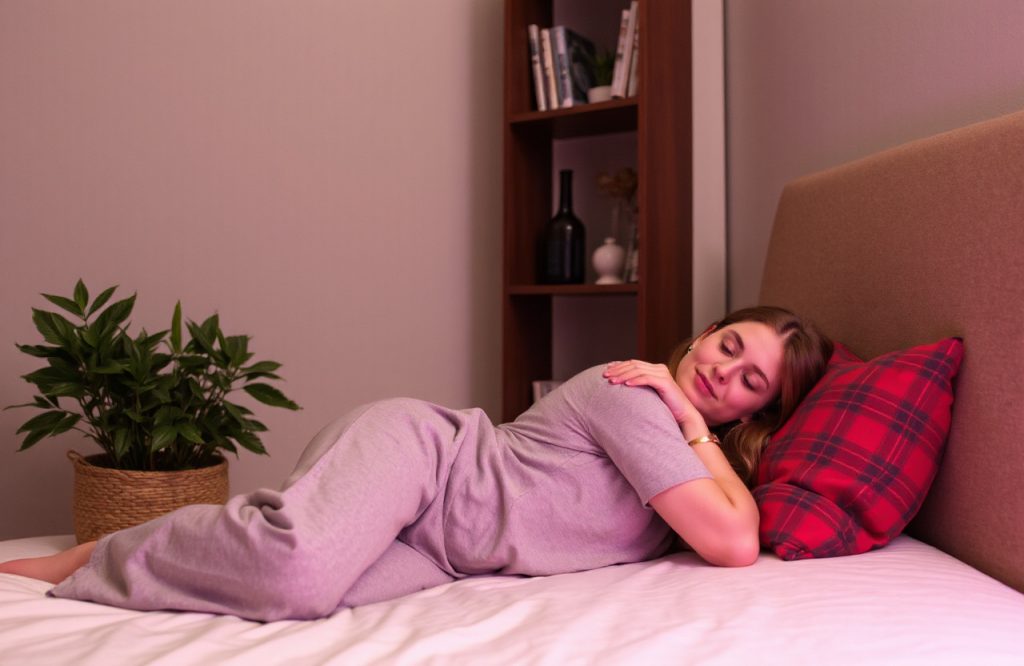
Impact of Rocking Motions on Sleep and Memory
Study Overview
Researchers investigated whether rocking motions can aid individuals in falling asleep more quickly and achieving deeper sleep. Additionally, the study explored the potential benefits of rocking on memory enhancement.
Research Methodology
Published by Cell Press, the study involved 18 participants who spent one night at the HUG Sleep Medicine Centre. During their stay, the researchers monitored various physiological measures, including heart rates and respiratory rates. Each participant experienced two nights: one on a stationary bed and another on a “rocking bed,” which operated on a continuous, slow motion.
Memory Testing
To assess memory improvement, participants completed a memory test that involved recalling a set of randomized words presented to them the previous night.
Key Findings
The results indicated that while participants slept well on both nights, they fell asleep more quickly on the rocking bed. Additionally, sleep continuity was enhanced, and participants experienced longer durations of deep sleep. Notably, memory performance also improved while using the rocking bed.
Scientific Explanation
The authors attributed these findings to the influence of rocking motions on brain wave activity. They identified the thalamo cortico-cortical network, which is connected to both sleep and memory, as being synchronized with the rocking movements. Furthermore, the hippocampal activity, associated with memory, was positively impacted during rocking.
Conclusion
The study suggests that allowing oneself to be rocked could lead to better sleep quality and enhanced memory retention.
References
Perrault, Aurore A. “Whole-Night Continuous Rocking Entrains Spontaneous Neural Oscillations with Benefits for Sleep and Memory.” Cell Press, 2019, 1-14. Online.
To sleep well, let yourself be rocked! 2019, https://www.eurekalert.org/pub_releases/2019-01/udg-tsw012319.php, assessed 7 Mar. 2019.