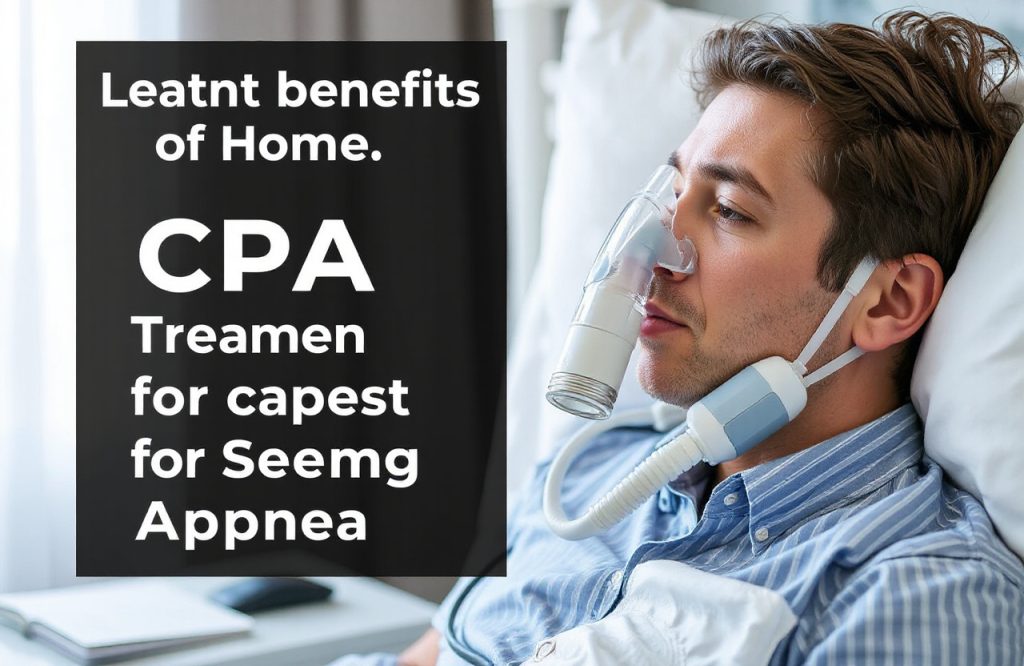
Exploring the Health Benefits of CPAP Treatment for Sleep Apnea
Understanding Sleep Apnea and Its Implications
Sleep apnea is a prevalent condition characterized by disruptions in breathing during sleep. This disorder often results in unrefreshing sleep, leading to daytime drowsiness, anxiety, and low mood. Furthermore, sleep apnea is linked to an elevated risk of serious health issues, including heart attacks, high blood pressure, obesity, and diabetes. Depression can exacerbate these risks, increasing the likelihood of heart attacks and strokes.
The Role of CPAP in Treating Sleep Apnea
Continuous Positive Airway Pressure (CPAP) therapy is the most frequently utilized treatment for sleep apnea. It has been demonstrated to alleviate daytime sleepiness among affected individuals. Recent research led by Professor Danni Zheng and his team in Australia aims to investigate the impact of CPAP on depression and anxiety levels.
Research Methodology
The study, published in E Clinical Medicine (The Lancet), utilized data from the international Sleep Apnea Cardiovascular Endpoints (SAVE) trial, which is the largest randomized study evaluating the effectiveness of CPAP for sleep apnea in relation to cardiovascular diseases. Researchers analyzed information from 2,410 patients diagnosed with cardiovascular disease and moderate to severe sleep apnea across seven countries, tracking their progress over an average of 3.7 years. The Hospital Anxiety and Depression Scale (HADS) was employed to assess anxiety and depression symptoms among participants.
Key Findings
The research revealed a significant and sustained improvement in depressive symptoms within six months of initiating CPAP treatment, particularly among patients with pre-existing depression. Professor Mc Evoy, a co-researcher, commented, “Patients who have had a stroke or heart attack are prone to suffer from low mood and are 2 to 3 times more likely to develop clinical depression, which then further elevates their risk of future heart attacks and strokes.” It is noteworthy that nearly half of the patients with cardiovascular diseases are also likely to suffer from sleep apnea.
Conclusion
This study underscores the additional benefits of CPAP therapy in enhancing mental health, particularly in alleviating depression. By emphasizing the importance of CPAP treatment for individuals with sleep apnea, this research contributes significantly to understanding its role in improving overall health outcomes.
References
Articles, R. (2019). EClinicalMedicine. [online] Journals.elsevier.com. Available at: https://www.journals.elsevier.com/eclinicalmedicine/recent-articles [Accessed 4 Jul. 2019].
EurekAlert!. (2019). CPAP provides relief from depression. [online] Available at: https://www.eurekalert.org/pub_releases/2019-07/fu-cpr070119.php [Accessed 4 Jul. 2019].