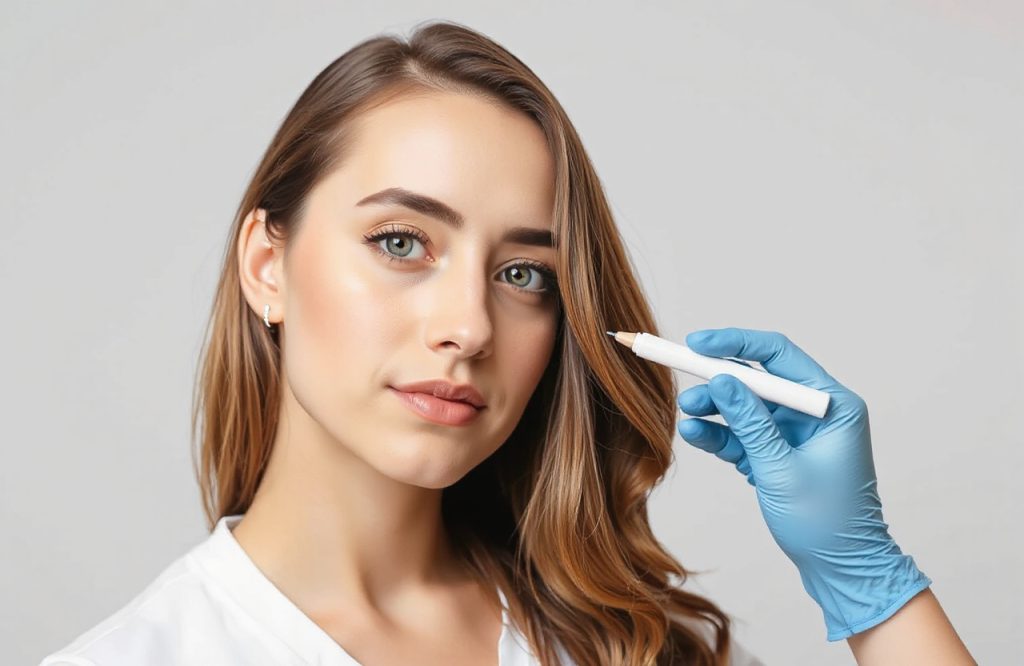
Understanding Botox Beyond Aesthetics
Botox is often recognized for its role in cosmetic procedures that reduce wrinkles and fine lines. However, this remarkable substance has extensive applications in the medical field that go beyond beauty treatments. This article examines the health benefits of Botox and its significance in various medical applications.
Medical Applications of Botox
From addressing muscle disorders and chronic migraines to treating overactive bladder, excessive sweating, and eye conditions, Botox has emerged as a valuable tool to enhance patients’ quality of life.
Treatment of Muscle Spasticity and Movement Disorders
Botox is particularly effective in managing muscle spasticity and movement disorders. When injected into targeted muscles, it obstructs nerve signals, leading to reduced contractions. This targeted relaxation enhances mobility for individuals with conditions such as cerebral palsy, dystonia, and multiple sclerosis.
Cerebral Palsy
In patients with cerebral palsy, Botox injections can relieve spasticity, allowing for a greater range of motion and improved motor function.
Dystonia
Individuals suffering from dystonia, characterized by involuntary muscle contractions, can also benefit from Botox’s muscle-relaxing capabilities. Targeted injections help alleviate the intensity of spasms and associated pain.
Multiple Sclerosis
Botox has shown promise in treating spasticity related to multiple sclerosis. By injecting the affected muscles, patients often experience reduced tightness, increased flexibility, and improved mobility, ultimately enhancing their overall well-being and independence.
Managing Chronic Migraines
Chronic migraines can be debilitating, severely impacting daily life. Botox injections are frequently employed to prevent chronic migraines in adults. Administered at specific trigger points, Botox helps reduce or prevent the recurrence of migraines.
This treatment works by blocking the release of certain chemicals in the brain that transmit pain, providing much-needed relief to individuals who have not responded to other therapies. Clinical studies indicate that regular Botox injections can significantly decrease the number of migraine days per month, leading to fewer severe headaches and reduced dependence on pain medications.
Treatment for Overactive Bladder
Overactive bladder (OAB) is a condition characterized by an urgent need to urinate frequently, often leading to incontinence. Botox injections into the bladder muscle help relax it, diminishing its overactivity.
By obstructing the release of chemicals responsible for bladder contractions, Botox alleviates the urgency and frequency of urination. Clinical studies demonstrate that Botox can significantly reduce episodes of urgency and incontinence, enhancing patients’ quality of life. The effects can last several months, providing substantial relief before re-treatment is necessary.
Addressing Excessive Sweating
Excessive sweating, or hyperhidrosis, can be distressing and impact an individual’s confidence and social interactions. Botox injections have proven to be an effective treatment option for this condition by blocking the signals to the sweat glands.
Commonly targeted areas include the underarms, palms, and soles of the feet. Studies indicate that Botox injections can significantly reduce sweat production in these areas, leading to improved comfort and self-esteem. The effects typically last for several months, allowing individuals to enjoy prolonged relief.
Treatment of Eye Conditions and Spasms
Botox has also shown therapeutic potential in treating various eye conditions and spasms. Strabismus, which involves misalignment of the eyes, can be effectively managed with Botox injections that selectively weaken specific eye muscles.
Additionally, blepharospasm, characterized by uncontrollable eyelid spasms, can be alleviated through Botox. The relaxing effects of Botox reduce the frequency and intensity of these spasms, providing significant relief and improving visual function.
Conclusion
While Botox is widely recognized for its cosmetic applications, its medical benefits extend well beyond aesthetics. From alleviating muscle spasticity and movement disorders to managing chronic migraines, treating overactive bladder, reducing excessive sweating, and addressing eye conditions, Botox demonstrates its versatility and effectiveness across various medical treatments. As medical professionals continue to explore this remarkable substance, the health benefits of Botox are likely to enhance the well-being and quality of life for many patients.