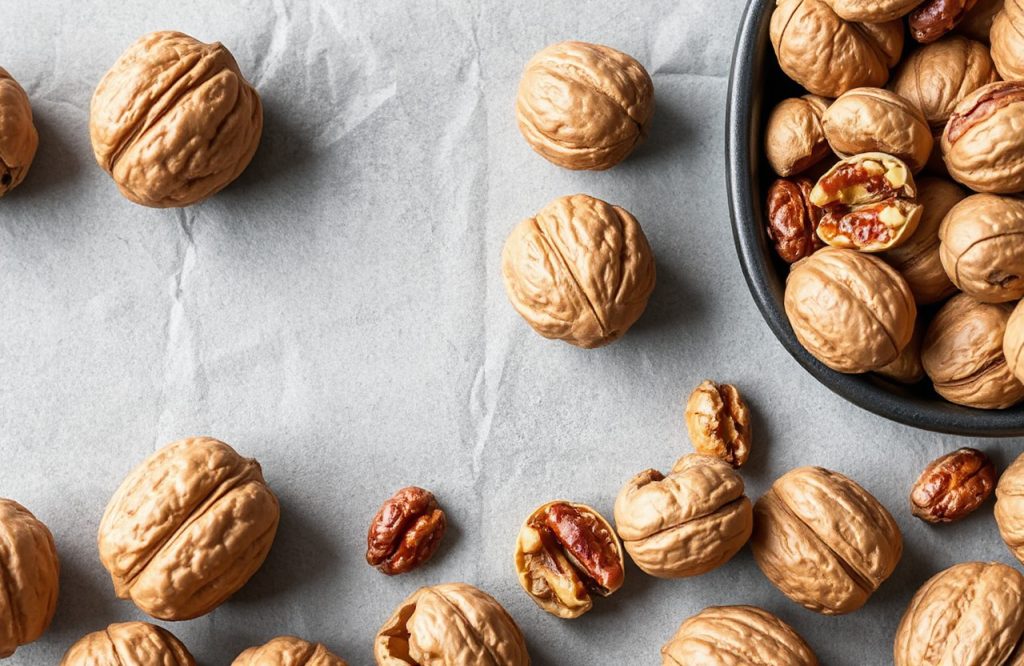
Study on Walnuts and Weight Loss
Overview of Caloric Reduction for Weight Loss
A recent study investigated the impact of walnuts on weight loss within a reduced-calorie diet, focusing on a sample of 100 overweight and obese individuals. Central to effective weight loss strategies is the reduction of caloric intake. Research has consistently shown that consuming fewer calories than the body requires leads to weight loss. However, the long-term sustainability of a calorie deficit is crucial for determining success or failure in weight management. Various dietary approaches involve adjusting protein, carbohydrate, and fat intake, along with monitoring fiber consumption. The ideal strategy would enhance feelings of fullness without significantly increasing caloric intake.
Walnuts as a Tool for Weight Loss
A study published in the Nutrition Journal suggested that incorporating walnuts into a calorie-deficient diet could enhance satiety and potentially improve weight loss outcomes for individuals struggling with excess weight.
Methodology of the Study
Study Design and Participant Groups
Researchers in the United States conducted a six-month intervention to assess the effectiveness of a reduced-calorie diet supplemented with walnuts. The study included 100 overweight and obese men and women, who were divided into two groups. A dietitian developed a meal plan based on the participants’ food preferences. The control group was not provided walnuts, while the experimental group received 15% of their daily caloric intake from walnuts. Participants received support from a team of researchers and medical professionals, including activity trackers, scales, measuring cups, and emotional support.
Measurements and Assessments
Participants underwent a series of evaluations at the beginning of the intervention, at the three-month mark, and again at the six-month point. These assessments included measuring height, weight, blood pressure, and taking fasting blood samples to evaluate cholesterol, triglycerides, and fatty acids. Additionally, each participant completed a three-minute step test to assess cardiopulmonary health and answered a questionnaire regarding their activity levels. To gauge perceived hunger, participants rated their feelings of hunger and fullness before and after lunch and dinner.
Results of the Study
Weight Loss and Health Improvements
Both groups successfully lost weight, with no significant differences in outcomes between the two. Each group experienced reductions in blood pressure and overall cholesterol levels, and both performed better on the step test. Notably, participants under the age of 50 exhibited more significant drops in cholesterol compared to those over 50. Men in the study also showed a greater increase in HDL cholesterol, commonly referred to as “good” cholesterol.
Effects of Walnut Consumption
Participants consuming walnuts displayed fatty acid markers consistent with a nut-enriched diet. While feelings of fullness and hunger did not vary significantly between groups, the walnut group showed a greater decrease in LDL cholesterol, known as “bad” cholesterol, and improvements in systolic blood pressure. Additionally, walnut consumers had elevated levels of omega-3 and omega-6 fatty acids, which are associated with better cardiovascular health.
Study Strengths and Limitations
Strengths of the Research
The study’s strength lies in its randomized design, which included both men and women from diverse racial and cultural backgrounds. The results indicated high adherence to the diet among participants, as evidenced by weight loss and improved health biomarkers.
Limitations of the Study
However, the study does have limitations, particularly in its lack of detailed documentation regarding each participant’s diet. The absence of a comprehensive analysis of dietary adherence means that consistency may have varied among participants.
Conclusion
Overall, both groups achieved comparable results, supporting the inclusion of walnuts in a weight loss regimen. Nonetheless, it cannot be definitively concluded that walnuts lead to superior weight loss outcomes. Previous research on walnuts and weight loss has yielded mixed results. Thus, from a health perspective, there is no reason to exclude walnuts during a weight loss intervention, although their effect on individual adherence to diet plans may vary.
Written by Elena Popadic
Reference: Rock, C., Flatt, S., Barkai, H., Pakiz, B., & Heath, D. (2017). Walnut consumption in a weight reduction intervention: effects on body weight, biological measures, blood pressure and satiety. Nutrition Journal, 16(1). http://dx.doi.org/10.1186/s12937-017-0304-z