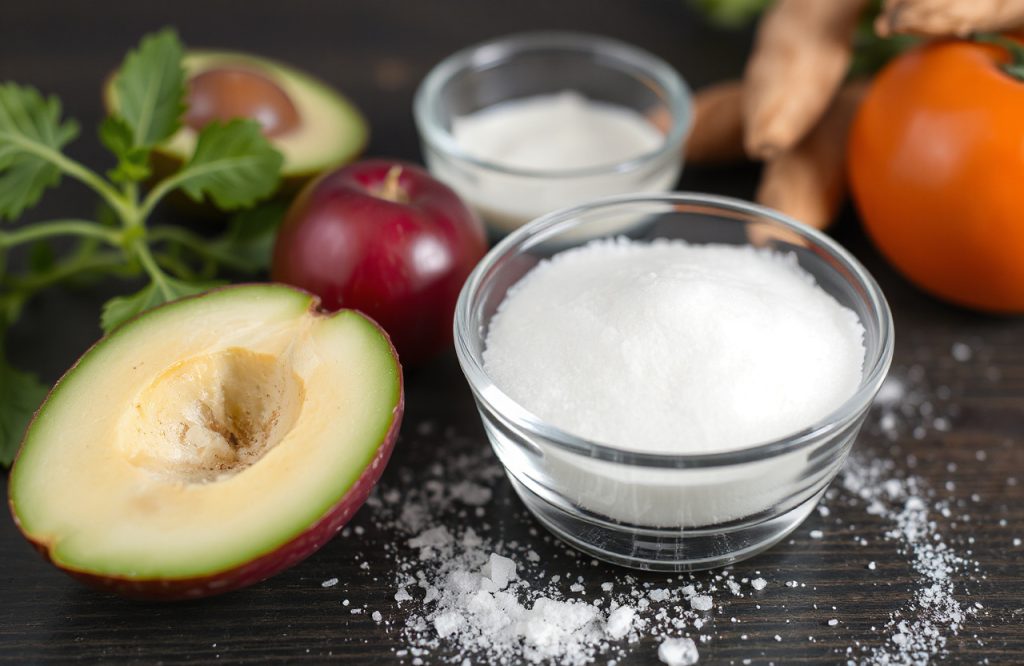
Exploring Tagatose as a Healthier Sugar Alternative
Innovative Production Method
Recent research has revealed a groundbreaking method that uses engineered bacteria to convert glucose into tagatose, a promising sugar substitute. This new biosynthetic production technique may significantly enhance the efficiency of tagatose production compared to current methods, potentially making it more accessible for use in various food products.
Health Benefits of Tagatose
Tagatose offers a sweet taste similar to that of table sugar but comes with several advantages. It contains fewer calories and may exert a minimal impact on blood glucose and insulin levels. Additionally, tagatose may provide benefits for oral and gut health, making it an appealing option for those seeking healthier dietary choices.
Need for Further Research
Despite the promising attributes of tagatose, there is still a need for extensive large-scale human studies and regulatory assessments before it can be widely adopted. As the demand for low-calorie sweeteners increases, understanding the long-term safety and health effects of such substitutes remains a priority in ongoing research.
Context of Artificial Sweeteners
The popularity of artificial sweeteners has surged, driven by the need for lower-calorie options to assist in weight management and blood sugar control. However, emerging evidence suggests that the health impacts of these sweeteners may be more intricate than previously believed. Thus, further investigation into their long-term safety is essential.
Tufts University Research Findings
Researchers at Tufts University have made significant strides in the production of tagatose, potentially allowing consumers to enjoy the sweetness of sugar without the associated health risks. Their study, published in Cell Reports Physical Science, showcases a method that leverages engineered bacteria to produce this sugar substitute in a more efficient and cost-effective manner.