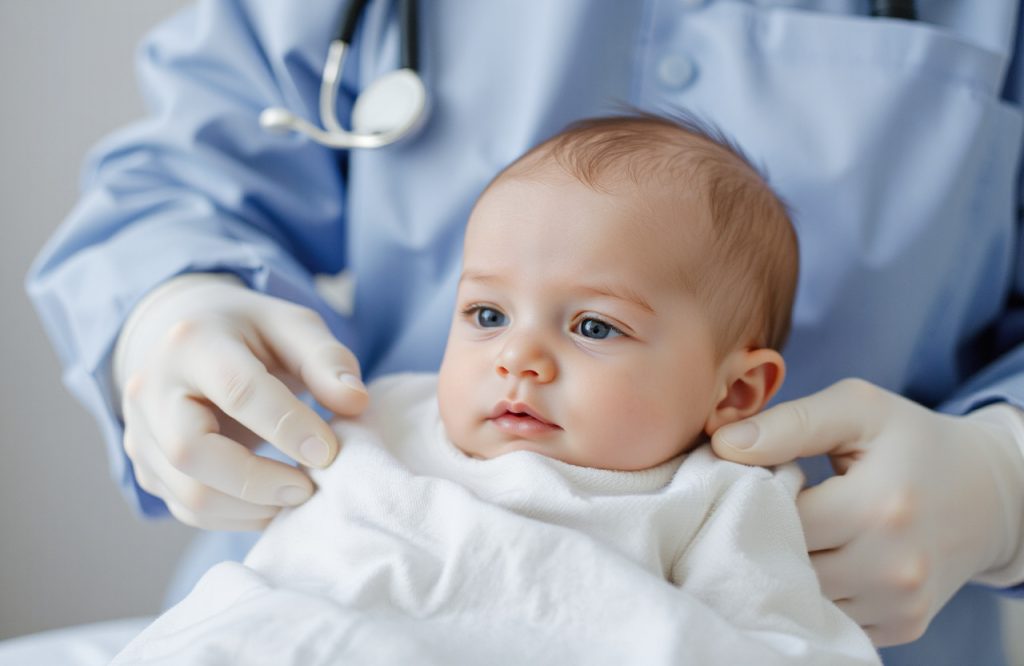
Study on Early Diagnosis of Cerebral Palsy in Infants
Objective of the Study
A recent study aimed to explore whether a combination of MRIs and various assessments could enhance the early and accurate diagnosis of cerebral palsy (CP) in infants, as well as facilitate timely treatment.
Understanding Cerebral Palsy
Cerebral palsy is a term encompassing disorders that impact muscle tone, coordination, movement, balance, and posture. It results from brain damage that can occur during pregnancy, at birth, or shortly thereafter. While not every case has a definitive cause, common contributors include strokes, infections, asphyxia (insufficient oxygen), prenatal exposure to drugs or alcohol, and head injuries. Additionally, low birth weight, often a result of premature delivery, can heighten the risk of developing CP in babies.
Cerebral palsy is recognized as the most prevalent physical disability in childhood, affecting approximately 1 in 500 live births. Although the clinical signs of CP can be evident early on, diagnosis typically occurs between 12 to 24 months of age when children do not reach key developmental milestones such as rolling over, sitting, standing, feeding themselves, speaking, or toilet training. While CP generally does not impact life expectancy, motor skills may improve or decline over time, depending on management strategies. Therefore, early diagnosis is crucial for optimizing motor function and enhancing quality of life for affected individuals.
Research Methodology
In a study published in JAMA Pediatrics, Australian researchers investigated the potential for making accurate, early diagnoses of cerebral palsy in infants. They conducted a systematic literature review regarding early diagnosis of CP across several databases, including MEDLINE, EMBASE, CINAHL, and the Cochrane Library. The search included terms such as cerebral palsy, diagnosis, detection, prediction, and related metrics. Six systematic reviews and two evidence-based clinical guidelines met the criteria for inclusion.
Predictive Tools for Diagnosis
The researchers found that the most effective tools for assessing risk in infants under five months old included MRIs (with a sensitivity of 86%-89%), the Prechtl Qualitative Assessment of General Movements (98% sensitivity), and the Hammersmith Infant Neurological Examination (90% sensitivity). For infants aged six months and older, MRIs (86%-89% sensitivity), the Hammersmith Infant Neurological Examination (90% sensitivity), and the Developmental Assessment of Young Children (83% C index) were identified as the most predictive diagnostic tools.
Conclusion and Recommendations
The study concluded that when clinicians observe early signs of cerebral palsy in infants—such as muscle tremors, difficulties with sucking or swallowing, or stiffness—they should promptly refer the infants for assessment using the identified diagnostic tools. Early referral can lead to timely therapeutic interventions, promoting optimal motor development, reducing secondary complications, and enhancing the quality of life for both the infant and their caregivers.
Reference
Novak, Iona, et al. “Early, Accurate Diagnosis and Early Intervention in Cerebral Palsy: Advances in Diagnosis and Treatment.” JAMA Pediatrics (2017). DOI:10.1001/jamapedicatrics/2017.1689
Disclaimer
This article contains sponsored links to other sites, provided for convenience and informational purposes only. The editorial team of the Medical News Bulletin did not participate in the preparation of the linked content and bears no responsibility for their accuracy or content. The views expressed in the sponsored links are those of the advertisers and do not reflect the opinions of the Medical News Bulletin. The Medical News Bulletin does not accept liability for any loss or damages resulting from the use of any products or services mentioned in these links, nor do we endorse them.