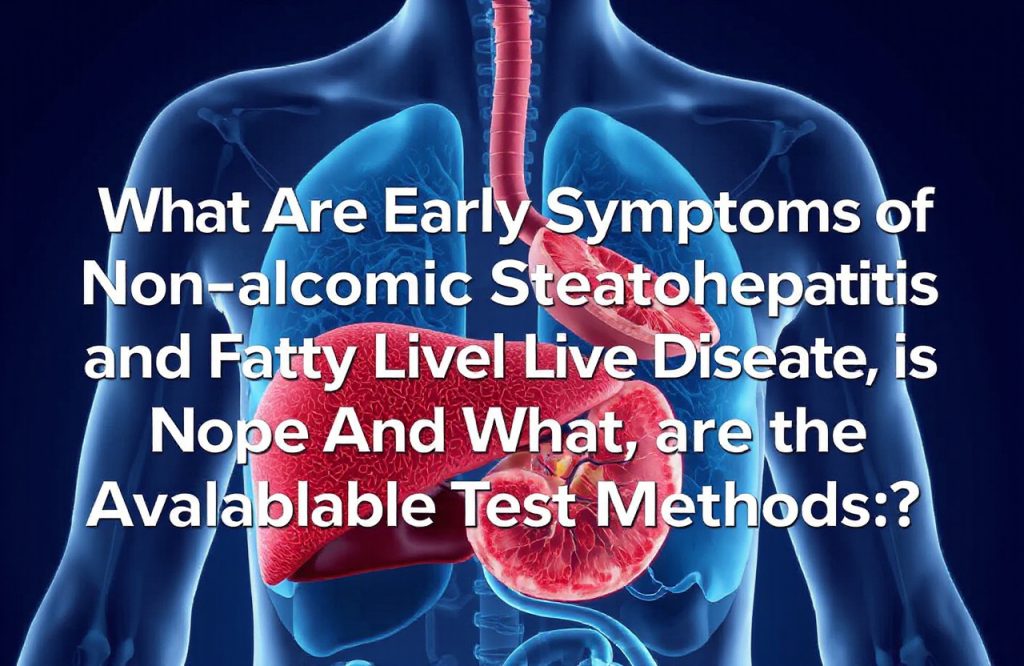
Understanding NASH and NAFLD
Overview of Conditions
Non-alcoholic steatohepatitis (NASH) and non-alcoholic fatty liver disease (NAFLD) are liver conditions that require immediate attention. NAFLD is more common and less severe compared to NASH. However, if NAFLD progresses to NASH, it can become life-threatening, potentially leading to liver cancer or scarring. Early detection is crucial for effective treatment and recovery.
Who Is Affected?
These liver conditions can affect anyone, but research indicates that women of reproductive age are generally more resistant than men. It is important to note that while genetics may play a role, NAFLD is often associated with obesity or elevated blood lipid and liver enzyme levels. Individuals with high blood fat levels are at a greater risk for developing NAFLD.
Recognizing Early Symptoms of NASH and NAFLD
Common Symptoms
Although NASH and NAFLD may not exhibit major symptoms initially, certain biological abnormalities can indicate their presence. Early symptoms to be aware of include:
– Excessive fatigue
– Upper right abdominal pain
– Ascites (abdominal swelling)
– Swollen spleen
– Visibly swollen blood vessels beneath the skin
– Abnormally red palms
– Jaundice (yellowing of the skin and eyes)
– Dark urine and stool
– Skin itching and bruising
– Blood in vomit
– Encephalopathy (mood swings, confusion, forgetfulness)
While these symptoms are associated with NAFLD/NASH, they do not definitively confirm the condition. It is advisable to consult a healthcare professional if you notice any of these symptoms, particularly if you are obese or have a relevant health history.
Importance of Medical Evaluation
A liver blood test is essential to assess liver inflammation and rule out other possible causes such as gallstones or infections. Many individuals with NASH/NAFLD do not exhibit symptoms prior to diagnosis, so proactive medical evaluation is important, even in the absence of symptoms.
Diagnostic Methods for NASH and NAFLD
Types of Tests
There are several medically validated methods for diagnosing NASH/NAFLD, which can be categorized into four main types:
1. Blood tests to evaluate liver function
2. Imaging procedures to assess liver appearance
3. Tests to measure liver fat content
4. Liver tissue examination (typically a last resort)
If a significant amount of fat is detected in the liver, it may indicate liver disease, and routine ultrasound tests may not provide a reliable diagnosis.
Available Testing Options
The following tests are commonly used to diagnose NASH/NAFLD:
– Liver blood tests
– Hemoglobin A1C and fasting blood sugar tests
– Liver function and enzyme tests
– Complete blood count
– Chronic viral hepatitis tests
– Lipid profile tests (to assess blood fats such as triglycerides and cholesterol)
In addition to blood tests, imaging procedures used include:
– Abdominal ultrasound
– Magnetic resonance imaging (MRI) or computed tomography (CT)
– Transient elastography
– Magnetic resonance elastography
If these tests do not yield a conclusive diagnosis, a liver biopsy may be performed. This procedure involves removing a tissue sample from the liver for laboratory analysis to check for signs of inflammation and scarring.
Preventing NASH and NAFLD
Health Management Tips
Preventing NASH can be achieved through some straightforward lifestyle changes. It is important to manage factors that increase the risk of NAFLD for better health outcomes. Consider the following recommendations:
– Monitor your weight regularly
– Reduce sugar intake
– Eliminate unhealthy foods and beverages from your diet
– Increase physical activity levels
– Lower cholesterol consumption
If you are overweight or diabetic, consulting a healthcare provider for a liver examination is advisable, especially if you notice any early symptoms mentioned earlier.
Conclusion
Health is invaluable, and taking proactive steps toward liver health can significantly lower the risk of developing NASH or NAFLD. Regular check-ups and being aware of the symptoms are key in ensuring timely diagnosis and treatment.