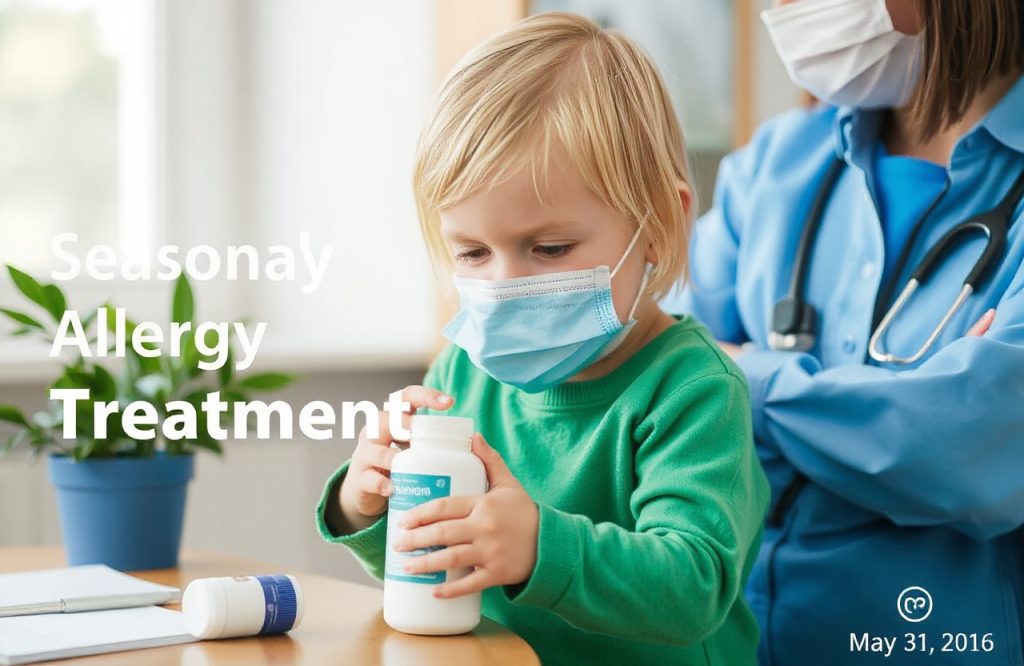
FDA Consumer Guide on Allergy Medications for Children
Overview of Seasonal Allergic Rhinitis
The FDA has published a valuable consumer guide detailing prescription and over-the-counter (OTC) medications approved for treating seasonal allergies in children. Seasonal allergic rhinitis, commonly known as hay fever, can impact up to 20% of individuals during the spring, summer, and fall months. This condition arises when the immune system reacts to pollen from grasses, trees, or weeds, leading to the release of chemicals that the body mistakenly associates with infection. Consequently, this immune response leads to symptoms such as sneezing, a runny or stuffy nose, itchy eyes, and fatigue.
Impact of Hay Fever on Children
According to the National Institute of Allergy and Infectious Diseases, approximately 40% of children also experience hay fever. The presence of seasonal allergies can result in moodiness and irritability among children, potentially causing missed school days, difficulties with memory, impaired hand-eye coordination, and increased risk of injuries. Additionally, untreated allergies can exacerbate health issues like asthma.
Consulting an Allergist
If you suspect your child has hay fever, it is advisable to consult an allergist. The allergist may perform a skin test where diluted allergens are applied to the skin with a small needle prick, followed by an assessment of the immune response. If hay fever is confirmed, monitoring outdoor pollen levels and keeping your child indoors during high pollen counts can effectively manage symptoms. Keeping windows closed may also provide relief.
Managing Allergy Symptoms with Medications
OTC and Prescription Options
To assist parents in navigating treatment options for their children, the FDA has released a consumer report on approved medications for seasonal allergies. The FDA defines children as individuals up to 17 years old and emphasizes the importance of checking medication labels to ensure they are appropriate for your child’s age. Common OTC and prescription medications include:
– Nasal corticosteroids (e.g., Nasacort Allergy 24hr for children aged 2 and older)
– Oral and topical antihistamines (e.g., Benadryl for ages 12 and older, Allegra for ages 6-11, Clarinex for ages 12 and older)
– Decongestants (e.g., Sudafed PE, Claritin D)
– Non-steroidal nasal sprays (e.g., NasalCrom, Atrovent)
– Prescription leukotriene receptor antagonists
Recent legislation has improved the testing of these medications concerning dosing, safety, and child-friendly formulations (liquid, flavoring, sublingual). However, parents should still review OTC medicine labels carefully.
Alternative Treatments
For children who do not respond well to OTC and prescription medications, subcutaneous immunotherapy, commonly known as allergy shots, may be a viable alternative. This treatment involves injecting small amounts of the identified allergen(s) into the body, gradually increasing the dosage over time to build immunity. Studies have indicated that this method can reduce hay fever symptoms by up to 80% within a year.
Recently approved prescription immunotherapy treatments, Oralair and Grastek, enable children to receive immunotherapy doses sublingually at home, eliminating the need for traditional shots administered by healthcare providers.
Conclusion
For more detailed information on FDA-approved treatments for children with hay fever, please refer to the full guide provided by the FDA.
Author
Written By: Fiona Wong, PhD