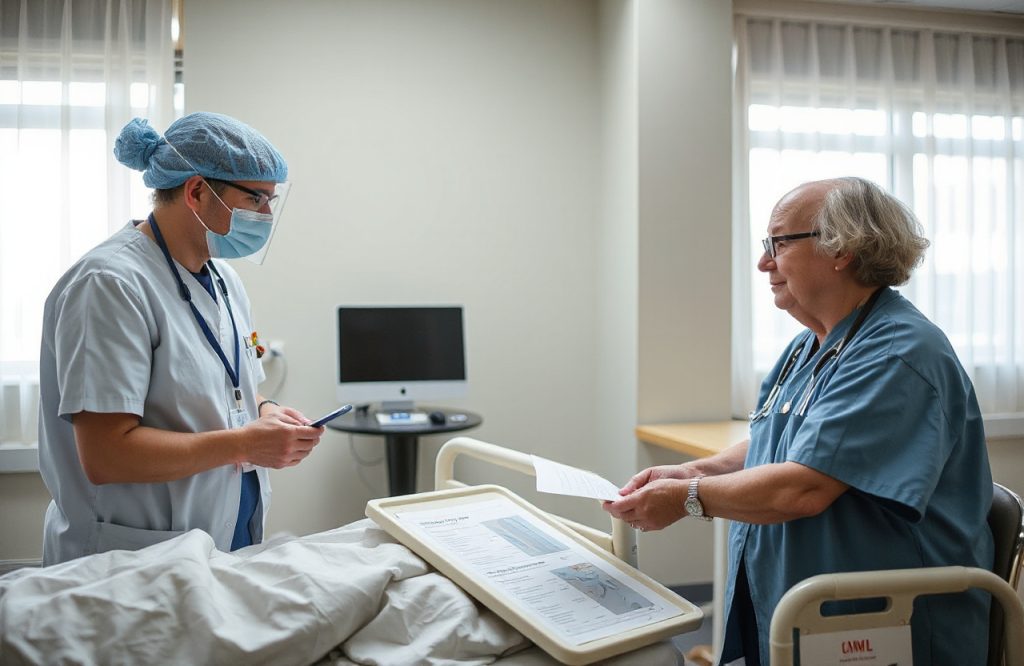
Understanding Delirium in the Elderly Population
Overview of Delirium
Delirium is a common yet preventable complication that frequently occurs after surgery in elderly individuals. This condition, characterized by an acutely disturbed state of mind, significantly complicates recovery and can lead to increased morbidity and mortality rates. Furthermore, delirium prolongs hospital stays, contributing to substantial healthcare costs.
Economic Impact of Delirium
In the United States, the financial burden of delirium exceeds $164 billion annually. The high costs emphasize the need for effective intervention programs aimed at preventing delirium, thereby reducing both the incidence of this complication and the duration of hospitalizations.
Intervention Program: mHELP
Purpose of the Study
Researchers led by Chen and colleagues sought to lower the occurrence of delirium and minimize hospital stay lengths by enhancing an existing protocol known as the Hospital Elder Life Program (HELP). Their revised version, named mHELP, introduced several supportive measures for patients.
Components of the mHELP Program
The mHELP program included:
– **Orienting Communication**: Engaging patients in conversation to enhance their awareness and cognitive function.
– **Oral and Nutritional Assistance**: Providing support with daily tasks, such as brushing teeth and eating.
– **Early Mobilization**: Facilitating physical therapy to encourage movement and activity.
Study Design and Results
Clinical Trial Overview
The study involved 377 elderly patients, aged 65 and older, who were admitted for abdominal surgery at a medical center in Taipei, Taiwan. Eligible patients were expected to remain in the hospital for six days or longer. Participants were randomly divided into the mHELP group or a control group.
Comparison of Care Provided
All participants received standard care from healthcare professionals, including surgeons, nurses, and physical therapists. However, the mHELP group benefited from additional daily support from a trained mHELP nurse.
Measuring Delirium
Delirium was assessed using the Confusion Assessment Method, a recognized approach that incorporates interviews and daily cognitive evaluations.
Findings of the Study
The results indicated that the mHELP group experienced 13 cases of delirium, in contrast to 27 cases in the control group. This represents a 56% reduction in delirium risk associated with the mHELP program. Additionally, the mHELP intervention resulted in a reduction of hospital stay duration by an average of 2 days, decreasing from 14 days in the control group to 12 days in the mHELP group. While this reduction in length of stay was notable, the decrease in delirium cases was more pronounced.
Conclusion
The mHELP program has demonstrated its potential to delay and reduce the incidence of delirium, thus offering significant benefits for elderly patients undergoing abdominal surgery. This clinical trial highlights mHELP as a promising intervention in addressing a costly and preventable post-surgical complication.
Written By: Liana Merrill, PhD