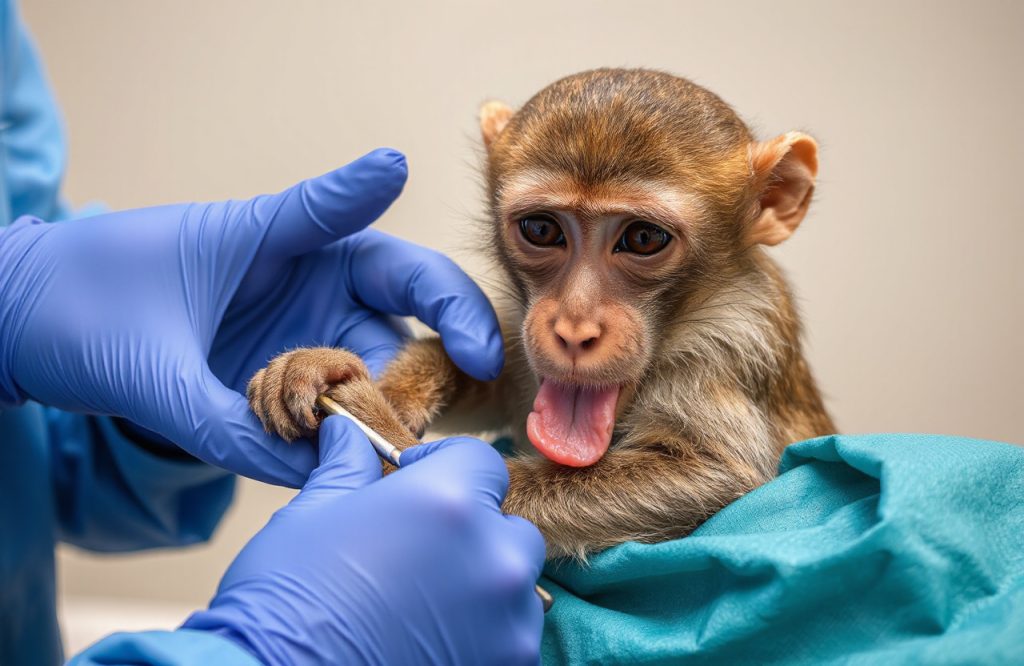
What is the Human Monkeypox Virus?
Overview and Historical Context
Until July 2022, when the World Health Organization (WHO) declared the monkeypox outbreak a public health emergency of international concern, this virus garnered little attention. Our understanding of the monkeypox virus remains limited, primarily due to the perception that it is a rare illness that resolves without intervention. However, growing concerns about monkeypox are particularly relevant in regions like Africa, where humans frequently interact with wild animals. Despite being endemic in Africa for decades, clinical studies on monkeypox have been scarce.
Transmission of the Virus
The primary mode of transmission for monkeypox is direct skin-to-skin contact with infectious lesions. The nose, mouth, eyes, and broken skin are considered the main entry points for the virus into the body. Most reported cases during the current outbreak have involved sexual intercourse or other intimate contacts. Additionally, transmission can occur through contact with clothing and personal items used by an infected individual.
What are the Clinical Features of Monkeypox?
Symptoms and Duration
Monkeypox can vary in severity, ranging from non-life-threatening to life-threatening conditions that may cause significant social stigma. While the clinical symptoms are milder than smallpox, the disease can still be fatal, with mortality rates between 1% and 10%. Symptoms typically manifest within 5 to 21 days after contracting the virus and may last from 2 to 5 weeks. Initial symptoms include non-specific signs such as headaches, chills, fever, swollen lymph nodes, back pain, and muscle aches.
Rash Development and Testing
Patients with monkeypox should remain isolated during the illness, which usually lasts 2 to 4 weeks. Given the ongoing global outbreak, it is crucial to investigate any unusual skin lesions, especially near the genital area. Monkeypox rashes can appear as a single lesion or multiple lesions, and testing access is improving, with results available from commercial laboratories within 2 to 3 days.
Distinguishing Features
Monkeypox symptoms and lesions can be challenging to differentiate from smallpox. Swollen lymph nodes are observed in 90% of monkeypox cases and are believed to be a distinguishing clinical feature. Rashes typically develop 1 to 5 days after the onset of fever, initially appearing on the face before spreading to the hands, legs, and feet. Complications such as pneumonia, encephalitis, and eye infections are most common in children under 8, immunocompromised individuals, or pregnant persons.
How is Monkeypox Treated?
Recent data indicate that hospitalizations due to monkeypox are infrequent, with pain management being the primary reason for admissions. Most patients require only symptomatic treatment, and there are currently no antiviral drugs specifically approved for monkeypox. Individuals at risk of severe disease are advised to seek medical attention.
What Vaccines are Available for Monkeypox?
Two vaccines are currently available to prevent monkeypox: the Bavarian Nordic JYNNEOS vaccine, which is FDA-approved for both smallpox and monkeypox, and ACAM2000, which is FDA-approved for smallpox but permitted for monkeypox use. Reports suggest that either vaccine may prevent at least 85% of monkeypox cases. Both vaccines can also be administered post-exposure; immunization can reduce illness if given within 4 days of exposure and lessen symptom severity when administered within 2 weeks. It is advisable to consult healthcare providers for more information on monkeypox vaccines and preventive measures against the virus.