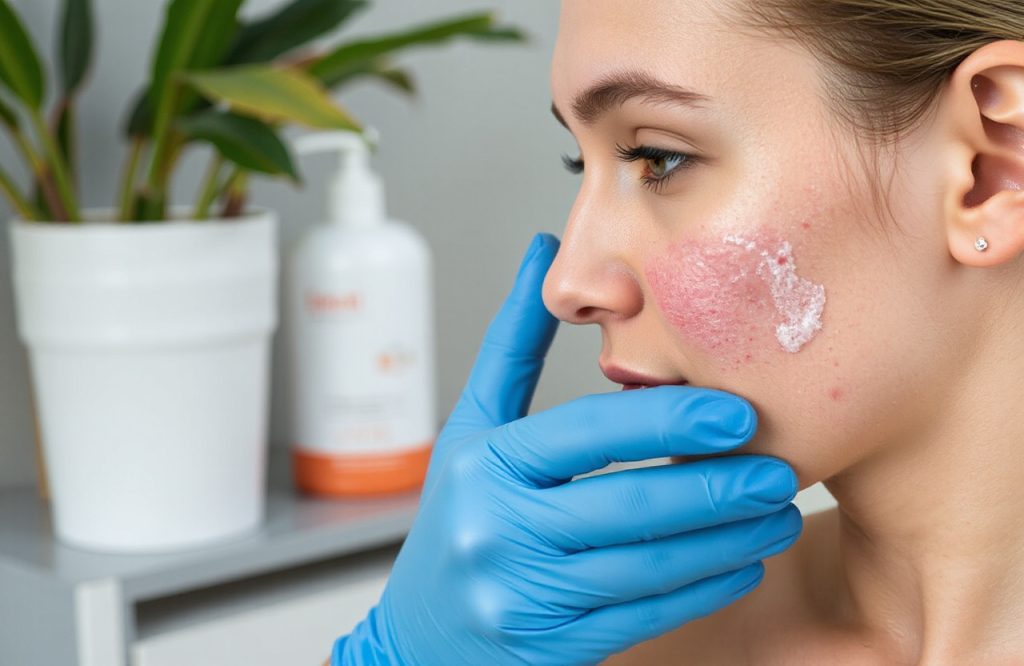
Eczema: Understanding the Condition
What is Eczema?
Eczema, commonly referred to as atopic dermatitis, is a skin condition characterized by dryness, inflammation, and itchiness. Over time, these symptoms can compromise the health and functionality of the skin’s outer layer, which acts as a vital protective barrier.
Impact on Skin Hydration
A weakened skin barrier leads to increased transepidermal water loss, resulting in diminished skin hydration. Approximately 20% of children and 3% of adults globally are affected by eczema, underscoring the necessity for effective management strategies.
Treatment Options for Eczema
Topical Medications
Topical treatments, such as corticosteroid creams, can alleviate dryness, itchiness, and redness. However, many seek natural alternatives for eczema management.
Natural Treatments
Research highlights several natural remedies, including colloidal oatmeal, virgin coconut oil, apple cider vinegar, and manuka honey.
Colloidal Oatmeal
Colloidal oatmeal is derived from de-hulling oats, which removes the seed’s tough outer layer. This ingredient is recognized for its anti-inflammatory properties and potential to restore skin lipids like ceramides and fatty acids, while also preventing transepidermal water loss. A study published in the Journal of Drugs in Dermatology demonstrated that a moisturizer containing 1% colloidal oatmeal reduced eczema symptoms by 51% compared to a standard moisturizer after just 14 days of use. Additionally, it helped restore skin pH to healthy levels, which is critical for maintaining beneficial skin bacteria.
Virgin Coconut Oil
Another promising natural remedy is virgin coconut oil. As an emollient, it provides a protective layer on the skin to retain moisture. A clinical trial reported in the International Journal of Dermatology found that virgin coconut oil improved eczema symptoms by 68% in children under 13, compared to a 38% improvement with mineral oil after eight weeks of application.
Apple Cider Vinegar
Conversely, not all natural remedies are beneficial for eczema. Research published in Pediatric Dermatology showed that soaking in 0.5% apple cider vinegar increased transepidermal water loss in both healthy individuals and those with eczema. Furthermore, it adversely affected skin pH levels, although these levels returned to baseline after one hour.
Manuka Honey
Manuka honey, sourced from bees that pollinate Manuka trees in New Zealand and Australia, has a history of use in alternative medicine due to its wound-healing and antimicrobial properties. While some studies suggest it may alleviate eczema symptoms, the research remains inconclusive.
Conclusion: Evaluating Natural Treatments for Eczema
In summary, colloidal oatmeal and virgin coconut oil appear to be the most effective natural treatments for alleviating dryness, itchiness, and redness associated with eczema. However, it is essential to note that not all natural remedies, such as apple cider vinegar and manuka honey, may be helpful. If you are considering natural treatments for eczema, it is advisable to consult with a healthcare provider before starting any new regimen.