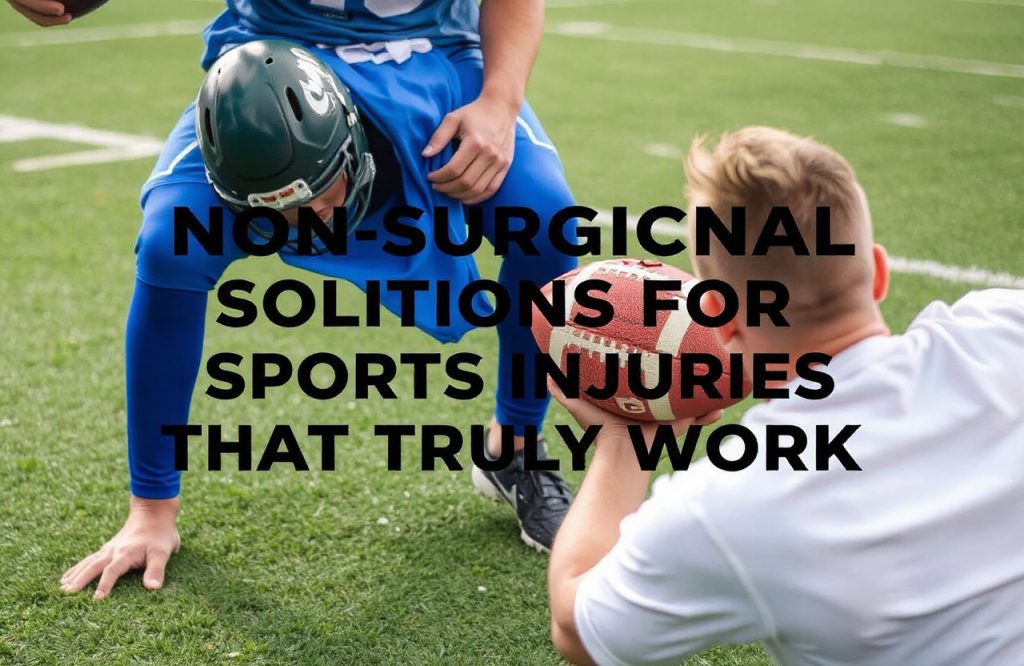
Shifting Towards Non-Surgical Treatment in Sports Medicine
Emergence of Patient-Centered Recovery Options
The trend in sports medicine is increasingly leaning towards less invasive, patient-centric recovery methods. Active individuals and athletes are seeking faster alternatives to surgery that enable them to recover quickly and resume their activities without unnecessary delays. Common non-surgical treatments include PRP injections, physical therapy, regenerative medicine, and advanced bracing techniques. These options focus on promoting natural healing, alleviating pain, and restoring function while minimizing risks and complications.
Advancements in Non-Surgical Treatments
Technological advancements and a deeper understanding of anatomical systems are enhancing the effectiveness of non-surgical treatments for various sports injuries and musculoskeletal disorders. Athletes favor conservative and regenerative therapies for recovery as these methods avoid the risks associated with invasive procedures. Popular non-surgical options, such as physical therapy and stem cell injections, are gaining traction due to their ability to facilitate the body’s self-healing and reduce downtime. The success of these treatments often relies on early and accurate injury identification.
Common Types of Sports Injuries
Overview of Sports Injuries
Sports injuries occur during physical activities and can result from accidents, improper training, muscle overuse, or lack of preparation, such as warming up or stretching. Common injuries include sprains, strains, fractures, dislocations, and ACL tears. While some minor injuries may heal quickly with rest and basic treatment, others may require medical intervention or physiotherapy. Early diagnosis and preventive strategies play a crucial role in maintaining an active and healthy lifestyle.
Specific Injuries and Their Management
Strains and sprains, often caused by overuse or sudden movements, are prevalent among athletes. Strains affect muscles or tendons, while sprains involve ligament damage. Management often includes the RICE method (Rest, Ice, Compression, Elevation) and physical therapy to regain strength and flexibility. High-impact activities like basketball or running can lead to stress fractures, which develop gradually and worsen over time. Dislocations occur when bones shift from their normal position in a joint, often resulting in severe pain and instability. Treatment may range from rest and immobilization to physical therapy or surgery, depending on severity.
Causes and Risk Factors for Sports Injuries
Understanding Injury Etiology
Overuse and repetitive strain can lead to injuries in muscles, tendons, and joints, often exacerbated by poor biomechanics and improper posture. These issues are common among athletes, manual laborers, and individuals engaged in repetitive tasks. Timely intervention through non-surgical methods like physical therapy and ergonomic adjustments can alleviate symptoms and prevent further damage.
Impact of Training and Recovery Techniques
Inadequate warm-up and recovery practices significantly increase the risk of musculoskeletal injuries. Insufficient preparation can lead to strains and sprains, while lack of recovery may hinder muscle restoration and lead to chronic pain. Poor exercise mechanics can place excessive stress on joints and soft tissues, leading to misalignment and overuse injuries. Non-surgical interventions, including guided exercise therapy, can improve mobility and reduce pain.
Advantages of Non-Surgical Treatments
Benefits Over Surgical Procedures
Surgery is often necessary for severe cases but can carry risks and extended recovery times. Complications such as infections or anesthetic reactions can adversely affect healing, potentially impacting an athlete’s long-term performance. Non-surgical treatments, including physical therapy and minimally invasive options, are being explored as alternatives, offering shorter recovery periods and reduced trauma.
Improved Patient Outcomes
Non-surgical treatments can enhance patient outcomes by minimizing pain and discomfort compared to surgical options. These methods allow for an earlier return to activity and can be tailored to individual needs, incorporating physical therapy, medication, and innovative technologies like laser treatments. Many individuals prefer non-surgical approaches for their personalized nature and higher satisfaction rates.
The Role of Physical Therapy in Recovery
Benefits of Personalized Physical Therapy
Physical therapy plays a crucial role in recovery, providing individualized, non-surgical treatment programs that help patients regain strength and functionality. Therapists utilize various techniques, including manual therapy and education, to manage pain and facilitate healing. Effective physical therapy is essential for long-term health and injury prevention.
Specific Physical Therapy Techniques
Physical therapy methods may include targeted stretching and strengthening exercises for conditions affecting the lower back, shoulders, knees, and ankles. For example, rotator cuff injuries benefit from resistance training, while knee rehabilitation focuses on weight-bearing and balance exercises. Customized return-to-sport programs ensure safe recovery and optimal performance without surgical intervention, maximizing rehabilitation outcomes.
Innovative Regenerative Treatments
Platelet-Rich Plasma (PRP) Therapy
PRP therapy is a widely recognized non-surgical procedure aimed at tissue repair and regeneration. This treatment involves drawing a small amount of blood, processing it to concentrate platelets, and injecting the enriched plasma into damaged areas to accelerate healing. PRP is commonly used for sports injuries, hair restoration, and skin rejuvenation, with many patients reporting improvements in pain and mobility.
Stem Cell Injections
Stem cell injections represent another non-surgical option for managing chronic pain and degenerative joint disorders. These cells, often harvested from the patient, are used to regenerate and repair damaged tissue. While promising, the use of stem cells raises ethical concerns and questions regarding long-term efficacy, necessitating careful consideration.
Creating a Comprehensive Recovery Plan
Holistic Approach to Health and Recovery
A holistic and tailored recovery plan is essential for optimal health, particularly following accidents or prolonged illnesses. Such plans may encompass physical therapy, lifestyle modifications, medication management, and alternative therapies like acupuncture or chiropractic care. Patients opting for non-surgical treatments benefit from reduced downtime and minimized risks associated with surgery.
Importance of Second Opinions
Seeking a second opinion before proceeding with surgery can provide clarity on treatment options. Patients can be better informed about non-surgical alternatives, enhancing trust in their healthcare decisions. Input from another specialist can help patients make educated choices tailored to their specific needs.
Images by Drazen Zigic, Mateus Andre, freepik from freepik. The editorial staff of Medical News Bulletin had no role in the preparation of this post. The views and opinions expressed in this post are those of the advertiser and do not reflect those of Medical News Bulletin. Medical News Bulletin does not accept liability for any loss or damages caused by the use of any products or services, nor do we endorse any products, services, or links in our Sponsored Articles.