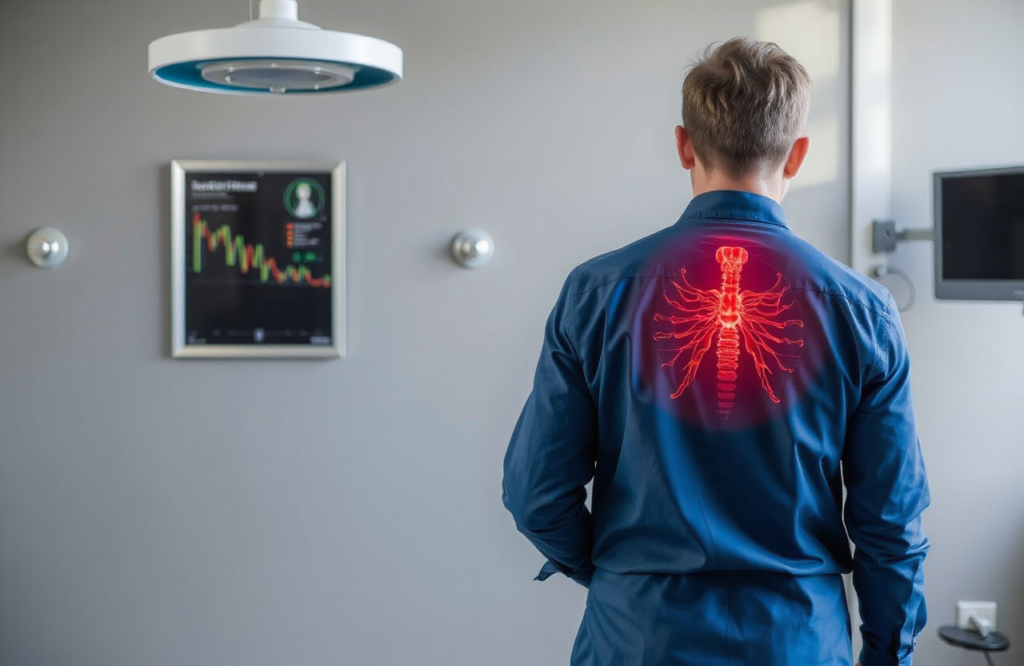
Understanding Low Back Pain: Causes and Treatments
Introduction
Are you struggling with persistent low back pain that disrupts your daily life? If so, you’re in the right place. This article will provide valuable insights into the causes of lower back pain and effective treatment options to alleviate or even resolve the issue.
The Impact of Low Back Pain
Experiencing back pain can lead to significant discomfort and hinder everyday activities. However, you can take proactive steps to mitigate this issue through specific exercises and maintaining proper posture.
What is Low Back Pain?
Low back pain (LBP), also known as lumbago, is a prevalent issue affecting the musculoskeletal system. The severity of lumbago can range from mild to intense and is categorized based on its duration:
Types of Low Back Pain
– **Acute**: Pain lasting less than six weeks
– **Sub-chronic**: Pain lasting six to twelve weeks
– **Chronic**: Pain persisting for more than twelve weeks
Causes of Low Back Pain
Several factors contribute to low back pain, including:
Muscle Strain
A strain in the lumbar region is one of the primary causes of back pain. Lower back muscle spasms frequently occur as these muscles support upper body weight and facilitate various movements. Strains typically happen when muscle fibers are excessively pulled or torn.
Poor Posture
Improper body posture can misalign the musculoskeletal system. Excessive slouching or leaning too far back can lead to back pain. Poor posture can result in muscle weakness, joint compression, and abnormal stress on the vertebral disc.
Age
Individuals over 30 years are more prone to experiencing lower back pain. Aging causes disks to weaken and wear down, leading to reduced bone density, strength, and elasticity of muscles and ligaments. Engaging in physical activities, practicing proper lifting techniques, maintaining a balanced diet, and avoiding smoking can help mitigate these effects.
Spondylolysis
This condition involves an issue with the pars interarticularis of the spine, often resulting from a fracture in the vertebrae. Decreased bone density can lead to the formation of bone spurs, causing low back pain. Lumbar spondylosis, often associated with disc degeneration and osteophytosis, is more common among middle-aged individuals, the elderly, and young athletes.
Medical Conditions
A family history of osteoarthritis, malignant diseases (such as multiple myeloma), metastatic disease, and other health issues can increase the risk of developing low back pain.
Other Contributing Factors
– Sciatica
– Spinal stenosis
– Trauma
– Ruptured or herniated disk
– Spine curvatures (scoliosis or kyphosis)
– Kidney infections or stones
– Pregnancy-related issues
– Problems with the gall bladder or pancreas
Treatment Options for Low Back Pain
Various treatment methods can help alleviate low back pain, including:
Lifestyle Changes
– Implementing proper lifting techniques
– Maintaining correct posture
– Engaging in regular exercise
– Achieving a healthy weight
– Quitting smoking
Medical Interventions
– Medication
– Physical therapy
– Osteopathic manipulation
– Weight loss programs (if applicable)
– A physician-recommended prevention program
– Surgery (in severe cases)
– Assistive devices for back support
Alternative Treatments
– Yoga
– Acupuncture
– Transcutaneous electrical nerve stimulation (TENS)
– Massage therapy
– Chiropractic care
Preventing Low Back Pain
To reduce the risk of low back pain, consider the following preventive measures:
– Use correct lifting techniques
– Maintain proper body posture
– Exercise regularly
– Avoid smoking
– Maintain a healthy weight
– Reduce muscle tension
By understanding the causes and implementing effective treatment and prevention strategies, you can significantly improve your quality of life and manage low back pain effectively.