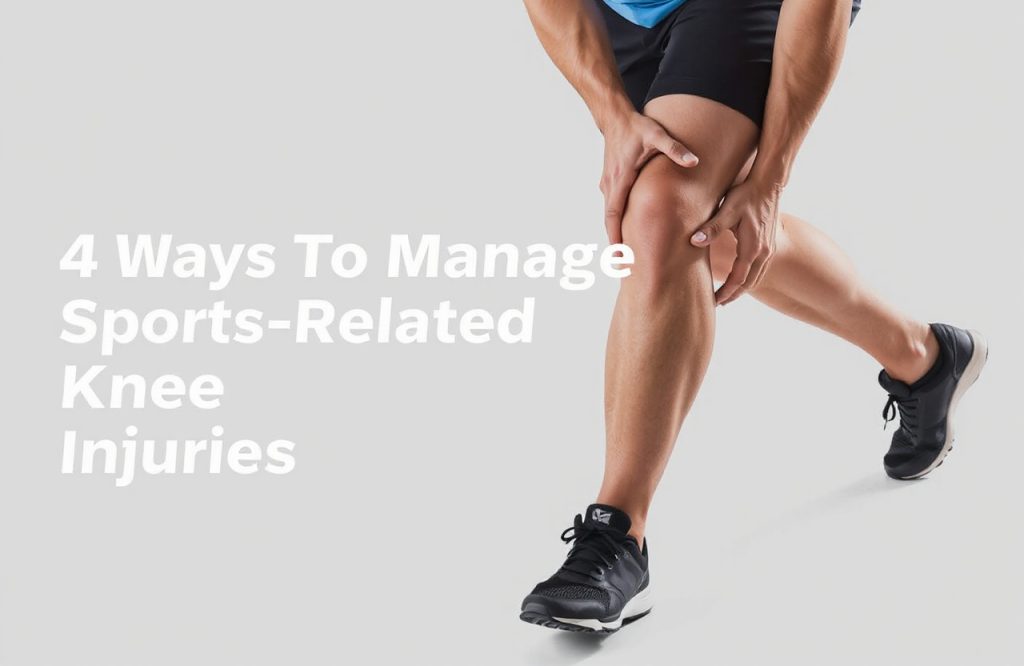
Understanding Sports-Related Knee Injuries
The Nature of Injuries
Injuries can occur unexpectedly and affect anyone, regardless of the circumstances. They can arise in the workplace or during recreational activities, particularly in physical sports. While athletes frequently face sports-related injuries, nobody desires to experience them. Among these injuries, knee injuries are particularly common. Recovery methods vary depending on the type and severity of the injury.
Addressing Sports-Related Knee Injuries
Engaging in sports or training can lead to unfortunate incidents, resulting in various knee injuries. If you find yourself in this situation, seeking medical assistance from a nearby hospital is essential. Residents in Ashgrove, for instance, can rely on trusted physiotherapists for expert care. Recommendations from friends or family members who have experienced similar injuries can also be valuable.
Types of Knee Injuries
Commonly referred to as knee sprains, knee injuries involve strains to the ligaments that stabilize the knee joint. Key ligaments include the anterior cruciate ligament (ACL) and the posterior cruciate ligament (PCL), which stabilize knee movements, while the medial collateral ligament (MCL) and lateral collateral ligament (LCL) manage sideways movements.
Treatment Options for Sports-Related Knee Injuries
Consulting a Medical Professional
There is no universal treatment for knee injuries; therefore, consulting a healthcare provider is crucial for determining the appropriate solution for your specific condition. Here are several treatment options that may be recommended:
1. Physiotherapy
Physiotherapy can be an effective treatment for severe knee pain resulting from sports-related injuries. This therapy aims to alleviate knee pain and reduce the risk of developing more serious conditions. Treatment may include exercises focused on knee mobility and strength, kneecap taping, and other rehabilitation strategies.
2. The R.I.C.E. Method
The R.I.C.E. method—Rest, Ice, Compression, and Elevation—is a widely recognized treatment for sports-related knee injuries. This approach is particularly useful for minor sprains or strains.
– **Rest:** Allow your injured knee to rest to prevent further aggravation.
– **Ice:** Applying ice can help reduce swelling by slowing blood flow to the injured area.
– **Compression:** Use an elastic wrap to compress the injury, ensuring it is secure but not overly tight.
– **Elevation:** Elevating the knee can also aid in reducing swelling.
3. Arthroscopic Surgery
If symptoms persist despite R.I.C.E. treatment, a doctor may recommend arthroscopic surgery. This minimally invasive procedure involves inserting small instruments through tiny incisions to address issues like cartilage tears or ligament sprains.
4. Open Surgery
In cases of severe injuries, open surgery may be necessary. This option is typically reserved for injuries that cannot be effectively treated with less invasive methods. Your healthcare provider will evaluate whether this approach is appropriate for your condition.
Conclusion
Experiencing sports-related knee injuries can be challenging, especially without adequate knowledge about treatment options. However, various methods are available for addressing knee injuries, which you can discuss with your doctor. By obtaining professional guidance and allowing time for recovery, you can return to your favorite sports activities in due course.