Treating Spring Allergies: Four Effective Approaches
Understanding Spring Allergies
As spring arrives, many individuals are affected by spring allergies, commonly known as hay fever or allergic rhinitis. These allergies typically arise from the body’s reaction to tree pollen, with other common allergens including dust, animal dander, and air pollution. Initially, the immune system becomes sensitive to these triggers, and upon subsequent exposure, it releases histamine. This chemical affects various parts of the body, leading to a range of allergic symptoms.
Common Symptoms of Spring Allergies
Individuals suffering from spring allergies may experience several symptoms, including:
– Sneezing
– Runny, stuffy, or itchy nose
– Reduced sense of smell
– Red, itchy, watery eyes
– Headaches and fatigue
– Fullness in the nose and ears
– Facial pain
– Dark circles under the eyes
– Post-nasal drip
– Cough or sore throat
– Snoring
1. Reducing Exposure to Pollen
The most effective strategy for managing allergies is to minimize exposure to allergens. While it is not always feasible to avoid triggers entirely, certain measures can help reduce pollen contact:
– Stay indoors on dry, windy days, particularly during midday and afternoon. Outdoor activities are best after rainfall when pollen levels are lower.
– Maintain a clean environment by keeping doors and windows closed.
– Refrain from gardening activities such as lawn mowing and weed pulling.
– Shower and wash your face and eyes after outdoor exposure, and change clothes promptly.
– Avoid drying laundry outside during high pollen times, especially in the mornings and evenings, as pollen can cling to fabrics.
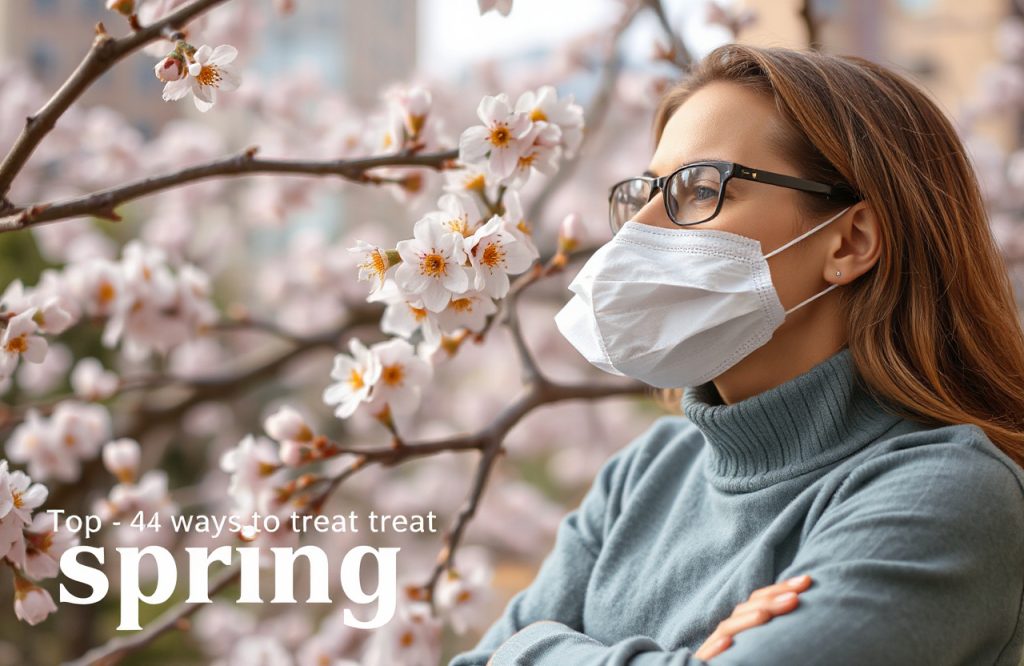
– Consider wearing a pollen mask when outdoors.
– Utilize high-efficiency particulate air (HEPA) filters in your home’s air systems and vacuum cleaners to trap allergens.
– Regularly service your air heater and air conditioner to ensure optimal functioning.
2. Home Remedies for Spring Allergies
Several home remedies can alleviate spring allergy symptoms:
– **Nasal Irrigation**: Rinsing the nose and sinuses with sterile saline can help clear allergens and relieve congestion. Squeeze bottles for nasal rinsing are available at pharmacies.
– **Vaporisers and Humidifiers**: These devices add moisture to the air, which can be beneficial on dry days. When using a steam vaporiser, ensure to use distilled water and follow the manufacturer’s instructions to maintain cleanliness.
3. Over-the-Counter Medications
Various over-the-counter medications can effectively manage allergy symptoms:
– **Antihistamines**: These medications, such as cetirizine, loratadine, and fexofenadine, work by reducing histamine release and alleviating symptoms like sneezing and eye watering. Some antihistamines may cause drowsiness, so it is advisable to read labels carefully and consult a healthcare provider for appropriate use.
– **Nasal Decongestants**: Medications like pseudoephedrine or nasal sprays such as oxymetazoline can relieve nasal congestion. However, prolonged use of nasal sprays may lead to rebound congestion, so limit their use.
– **Steroid Nasal Sprays**: If antihistamines and decongestants are insufficient, steroid nasal sprays like triamcinolone or fluticasone may be effective. Initiating these sprays weeks before allergy season can help in symptom management.
– **Analgesics**: For alleviating pain, over-the-counter analgesics like ibuprofen or acetaminophen may be used.
– **Allergy Shots**: Immunotherapy, which involves regular injections of allergens, can be beneficial for some individuals. This treatment aims to reduce the immune response. Consult a healthcare professional before considering this option.
4. Consulting a Doctor
If spring allergy symptoms significantly disrupt your daily activities, it is essential to seek advice from a healthcare provider. They can recommend effective treatment options tailored to your needs, and a combination of remedies may help alleviate your symptoms.
Author Information
Written by Dr. Radhika Baitari, MS
References
– Hay Fever and Other Seasonal Allergies [Internet]. HealthLink BC. 2019 [cited 16 April 2019]. Available from: https://www.healthlinkbc.ca/health-topics/tv6577
– Taking Control – Asthma Canada [Internet]. Asthma Canada. 2019 [cited 16 April 2019]. Available from: https://asthma.ca/allergies/taking-control/
– Seasonal allergies: Nip them in the bud [Internet]. Mayo Clinic. 2019 [cited 16 April 2019]. Available from: https://www.mayoclinic.org/diseases-conditions/hay-fever/in-depth/seasonal-allergies/art-20048343