Understanding Receding Hairlines
The Aging Process and Hairlines
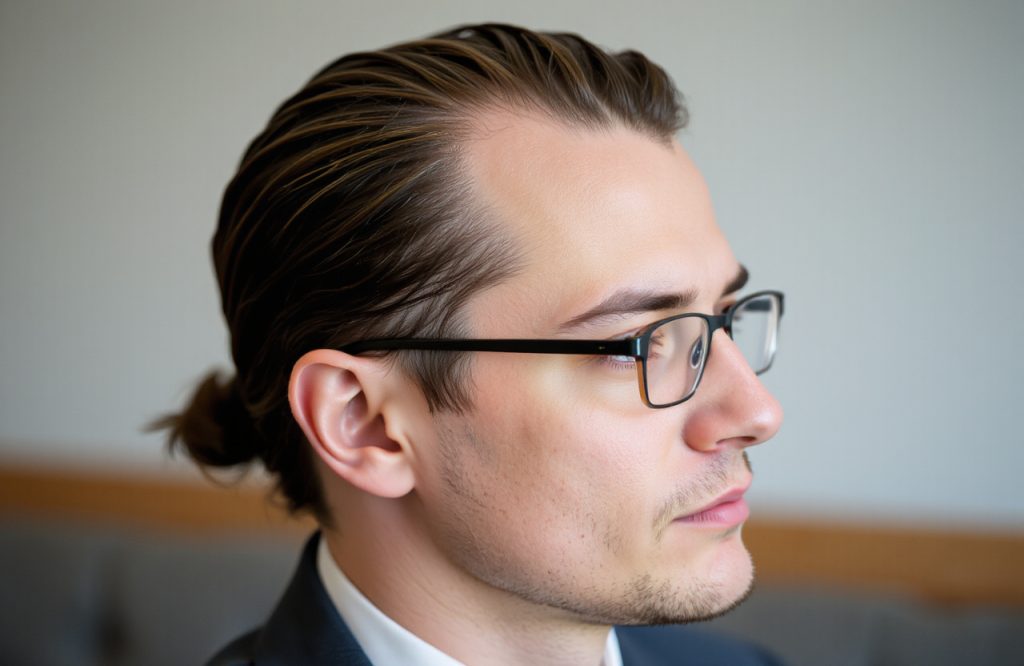
As we age, it is common to notice changes in our hairlines. Family members may exhibit a receding hairline, and individuals may begin to experience this themselves. For men, the hairline may start to shift higher above the forehead in their late teens or early twenties. Once hairline recession begins, it can be difficult to halt the progression, often caused by a combination of genetics and aging.
Recognizing Hair Loss
If you are experiencing hair loss, it is important to know that various treatments and home remedies are available to help restore the health and fullness of your hair.
Treatment Options for Receding Hairlines
1. Following a Balanced Diet
A diet rich in antioxidants can contribute to healthier and fuller-looking hair. Such a diet helps combat oxidative stress. Foods like blueberries, spinach, kidney beans, and walnuts are high in natural antioxidants. Additionally, essential nutrients such as iron, zinc, vitamin E, vitamin B12, and vitamin A are vital for healthy hair growth. Consuming plenty of green vegetables, nuts, and seeds can also improve the appearance and texture of your hair.
2. Medications
Medications can assist with a receding hairline. Minoxidil (Rogaine) is a well-known over-the-counter treatment approved by the FDA to help slow hair loss. However, the effects typically persist only during the use of the medication, and hair loss will resume once treatment is stopped. Another option is finasteride (Propecia), a prescription drug that reduces hormone levels associated with hair loss and can encourage scalp hair growth. Consulting with healthcare professionals at Ravkoo Health can help you determine the right medication for your situation.
3. Natural Remedies
Natural remedies may also support hair health. Traditional medicine has long utilized ingredients like aloe vera, ginseng, and hibiscus to combat hair loss. Saw palmetto is another natural treatment that has been shown to reduce or prevent hair loss and is commonly found in shampoos and conditioners.
4. Laser Therapy and Hair Transplants
Hair transplant procedures involve relocating hair and scalp sections from thicker areas to the front to enhance the hairline’s appearance. Though costly, many consider it a long-term solution for recessing hairlines. Additionally, laser therapy utilizing red light or lasers with a 660 nm wavelength may promote hair growth and reduce male pattern baldness, although these treatments are typically not covered by insurance and come with associated risks. A consultation with experts at Ravkoo Health can help assess your candidacy for a hair transplant.
5. PRP Treatment
Platelet-rich plasma (PRP) therapy involves drawing a small amount of blood, separating the platelet-rich plasma through centrifugation, and injecting it into the scalp. This treatment revitalizes hair follicles, promoting growth.
6. Switching to a Mild Shampoo
Some shampoos are specifically designed to stimulate hair follicles while being suitable for your hair type. While certain shampoos contain harsh chemicals that strip away sebum, others promote hair growth. Ketoconazole, a common active ingredient in such shampoos, has been linked to hair growth.
7. Scalp Massage
Regular scalp massages may encourage the growth of thicker and healthier hair by improving blood circulation in the hairline area. A daily massage of at least four minutes can be beneficial.
8. Essential Oils
Certain essential oils, including rosemary, peppermint, and lavender, have been shown to assist with hair growth and may be effective treatments for receding hairlines. It is important to dilute essential oils with a carrier oil, such as almond, coconut, or jojoba oil, before applying them to the scalp.
9. Reducing Stress and Anxiety
Certain types of hair loss are associated with stress. While managing stress can be challenging, regular exercise, spending time outdoors, relaxation techniques, and meditation can help reduce stress levels.
10. Considering a New Hairstyle
Changing your hairstyle can be a simple and cost-effective way to manage hair loss. The goal is to divert attention from thinning areas, such as the hairline or temples, rather than attempting to conceal them. Factors like over-brushing, harsh styling, and tight hairstyles can contribute to a receding hairline.
Conclusion
While a receding hairline can be discouraging, it poses no serious health risks. Numerous solutions exist to help thicken hair and promote growth. Keep in mind that a combination of treatments may be necessary, and it may take time to find the most effective approach. If you are concerned about hair loss, consulting healthcare professionals at Ravkoo Health can guide you toward the best options available. Remember that some hair loss is a natural part of aging, but if you notice significant changes such as bald spots or patchiness, it is advisable to consult your primary care physician or a dermatologist for further evaluation.