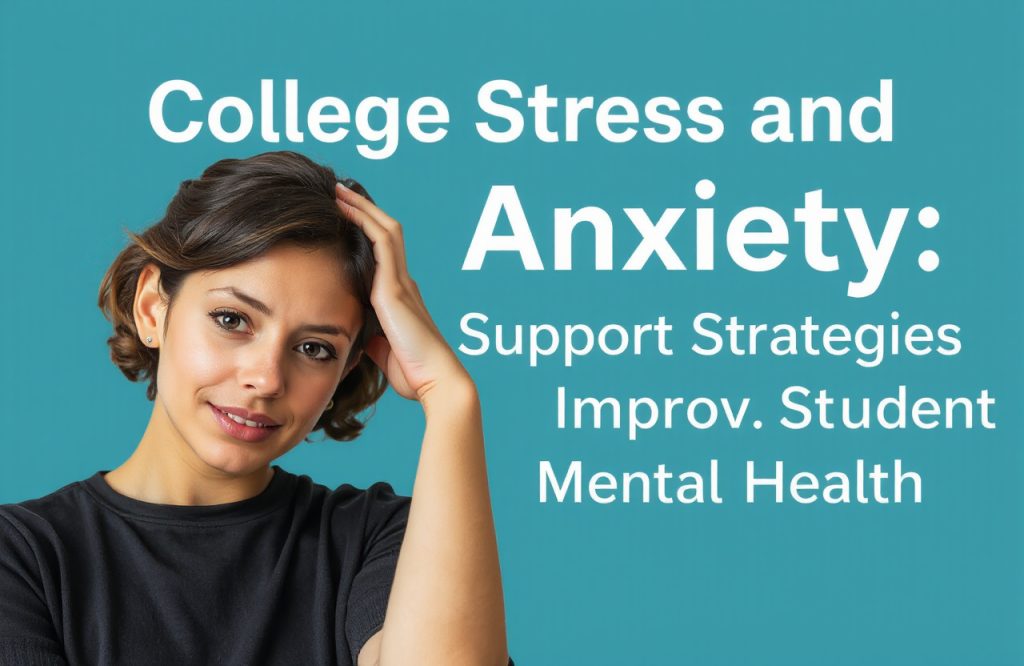
The Reality of College Stress and Anxiety
Understanding the Pressure
College is often referred to as “the best years of your life,” yet for many students, it is a period filled with significant mental stress. Balancing academic demands, deadlines, and social expectations can lead to a level of stress and anxiety that becomes part of the college experience. While occasional stress is normal, chronic anxiety can hinder academic success and overall health. Fortunately, there are effective strategies that students can implement to manage their mental health and reduce the risk of burnout.
Factors Contributing to Increased Stress and Anxiety
Identifying Key Stressors
While stress has always been a part of the college experience, today’s students face unprecedented levels of pressure due to several factors:
– **Academic Strain**: Tight schedules, competitive programs, and high GPA expectations create significant pressure.
– **Transition Strain**: The shift to independence and responsibility without parental support can be overwhelming.
– **Financial Strain**: Tuition fees, the necessity of part-time jobs, and student debt add to the burden.
– **Digital Burnout**: Social media comparisons and constant notifications contribute to anxiety.
These combined stressors can lead to a cycle of worry, fatigue, and isolation, affecting various aspects of a student’s life.
Impact of Stress and Anxiety on Mental Health
Recognizing Symptoms
Unmanaged stress can escalate into anxiety and more severe mental health issues. Common symptoms among college students include:
– Difficulty concentrating
– Sleep disturbances or insomnia
– Feelings of hopelessness
– Physical signs of stress, such as headaches and muscle tension
These symptoms can adversely affect academic performance, self-esteem, relationships, and motivation. If left untreated, they may lead to more severe conditions like depression or generalized anxiety disorder.
Effective Strategies for Managing Stress and Anxiety
1. Mastering Time Management
Effective time management is essential for reducing anxiety. Students can benefit from prioritizing tasks, utilizing planners or to-do lists, and breaking larger projects into smaller, manageable pieces. This focused approach can help students feel more in control of their schedules.
2. Prioritizing Sleep, Movement, and Nutrition
Basic wellness practices are crucial. Adequate sleep (7-9 hours) enhances focus and emotional stability. Regular physical activity, even short walks, can reduce cortisol levels. Proper nutrition, including hydration and balanced meals, supports both physical and mental well-being.
3. Practicing Mindfulness and Grounding Techniques
Mindfulness does not require extensive meditation. Short sessions of deep breathing, journaling, or mindful walking can significantly reduce stress. Grounding techniques, such as the “5-4-3-2-1” sensory activity, can help students regain focus during anxiety-inducing situations.
4. Creating a Supportive Social Circle
Isolation can exacerbate anxiety. Building authentic connections with peers, such as roommates or classmates, can provide emotional support. Having study partners or friends who understand the challenges can alleviate feelings of loneliness.
Beyond the Basics: Emotional Support Animals
For some students, emotional support animals (ESAs) can offer comfort. Unlike service animals, ESAs provide emotional stability through their presence. It is essential to have proper documentation for housing or campus policies, as verified ESAs can be beneficial for students dealing with anxiety.
Colleges’ Response to Mental Health Needs
Expanding Support Systems
Colleges are increasingly recognizing the importance of mental health support. Many institutions provide a range of resources, including:
– On-site counseling and teletherapy
– Peer support and mentorship groups
– Wellness workshops focused on stress reduction
– Faculty training to identify student distress
This trend aims to improve student mental health holistically, encouraging help-seeking behavior and destigmatizing mental health issues.
When to Seek Professional Help
Recognizing Warning Signs
Self-care strategies can be effective for mild to moderate stress but should not replace professional support for persistent or debilitating symptoms. Warning signs that indicate the need for professional help include:
– Panic attacks or overwhelming anxiety
– Prolonged feelings of sadness or disinterest
– Significant changes in appetite, sleep, or academic performance
Students experiencing these symptoms should consider reaching out to a counselor or medical professional for assistance.
Conclusion: Prioritizing Mental Health
Stress and anxiety are common among college students, but they are manageable with the right strategies. Small changes in planning, social connections, and support systems, such as ESAs, can lead to improved mental health. By fostering an environment that prioritizes mental well-being, both students and institutions can enhance academic performance and community resilience.